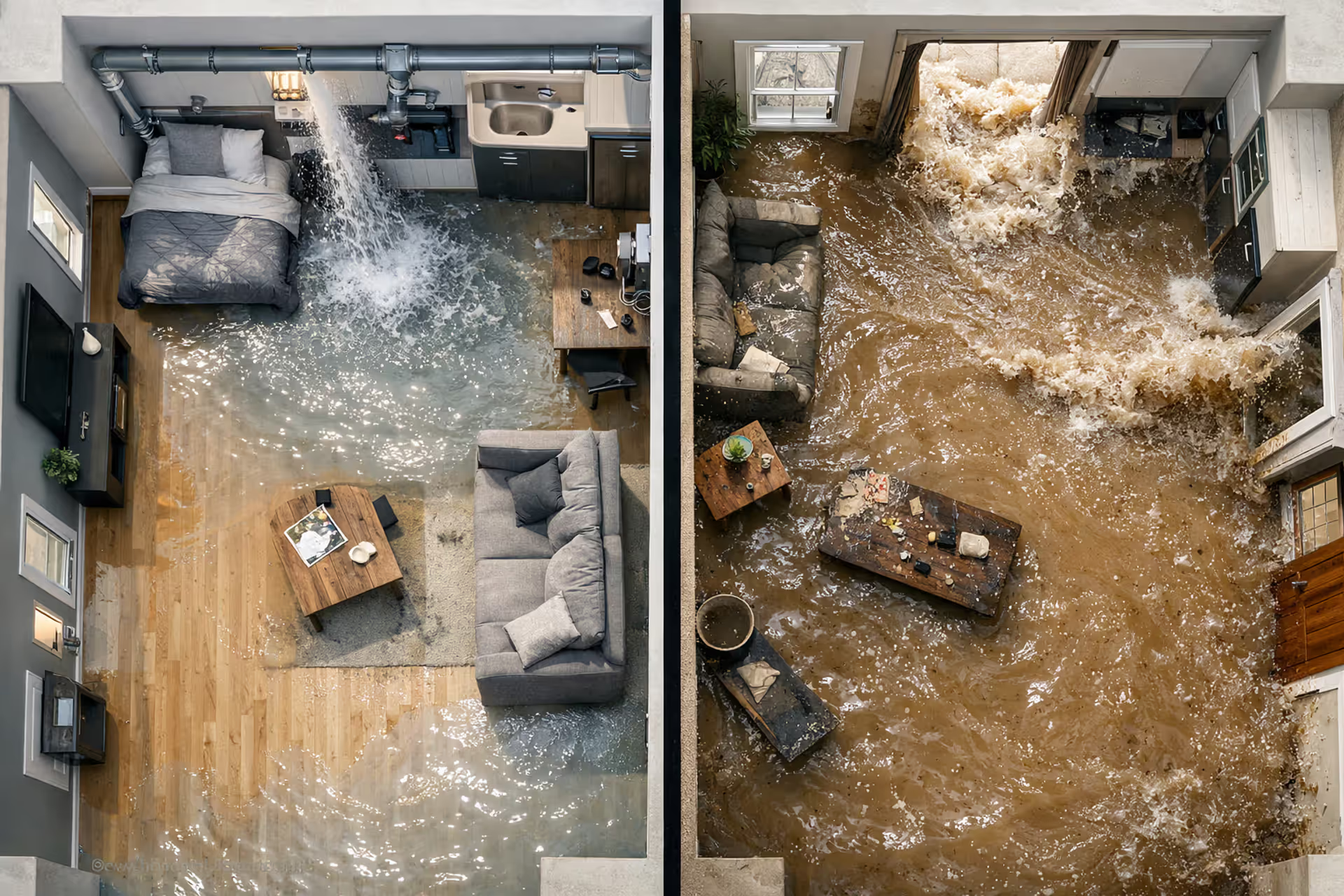
Split view of a house showing indoor pipe burst water damage on one side and external flood water entering through doors on the other side
Is Flood Covered by Home Insurance? Flood vs. Water Damage Explained

Content
When water destroys your home, insurance adjusters care less about the destruction and more about where that water originated. Your bathroom ceiling collapsing from a frozen pipe that burst overnight? Your homeowners policy likely steps in. That same ceiling destroyed by water from a river that jumped its banks? You're on your own.
The majority of American homeowners operate under a dangerous misconception—that their insurance shields them from all water-related catastrophes. This misunderstanding contributes to billions in out-of-pocket losses annually. Grasping the precise boundaries of your policy's protection—and recognizing its deliberate gaps—separates those who recover from water damage and those who face financial ruin.
Why Standard Homeowners Policies Exclude Flood Damage
The standard homeowners policy flood exclusion appears in virtually every residential insurance contract for one fundamental economic reality: flooding represents a geographically correlated catastrophic risk that destroys the mathematical foundation of traditional insurance.
Author: Marcus Hollowell;
Source: sixth-fleet.com
Private insurers discovered this reality through painful experience. During the mid-20th century, several carriers attempted to provide flood protection, only to face insolvency when major flooding events struck the Mississippi basin and other vulnerable regions. Unlike house fires or theft—which affect scattered individual properties—a single flood event can demolish every structure in multiple zip codes simultaneously. This geographic concentration makes the conventional insurance approach unworkable.
Traditional insurance operates on risk distribution: premiums collected from thousands of policyholders fund claims affecting a small percentage. Flooding inverts this model. When water rises, it doesn't select random houses—it inundates entire neighborhoods, creating claim volumes that exceed what premiums could ever support.
The federal government established the National Flood Insurance Program in 1968 after private markets completely withdrew from flood coverage. Legislators recognized that protecting Americans from flood losses required government backing, mandatory participation requirements in vulnerable areas, and comprehensive floodplain management at the community level.
Contemporary policies universally contain explicit flood damage excluded homeowners insurance language. Your contract almost certainly includes provisions stating that losses from "flood, surface water, waves, tidal water, overflow of any body of water, or spray from these sources" receive no coverage—regardless of your policy's comprehensiveness in other areas.
The disconnect between what homeowners believe their policies cover and what actually receives protection creates one of the largest financial vulnerabilities facing American families today. Year after year, people express genuine shock when learning that flooding falls completely outside their coverage
— Janet Ruiz
The actuarial logic resists dispute: flood events create correlated losses across geographic areas. If floodwaters reach your neighbor's living room, your living room faces identical risk. This correlation eliminates the risk-spreading mechanism that makes insurance economically viable, potentially forcing insurers to pay out more in a single event than they've collected over decades.
The Critical Difference Between Flood Damage and Covered Water Damage
Whether your water damage claim gets approved or rejected hinges on a single question: what was the water's point of origin?
What Qualifies as Flood Damage (excluded)
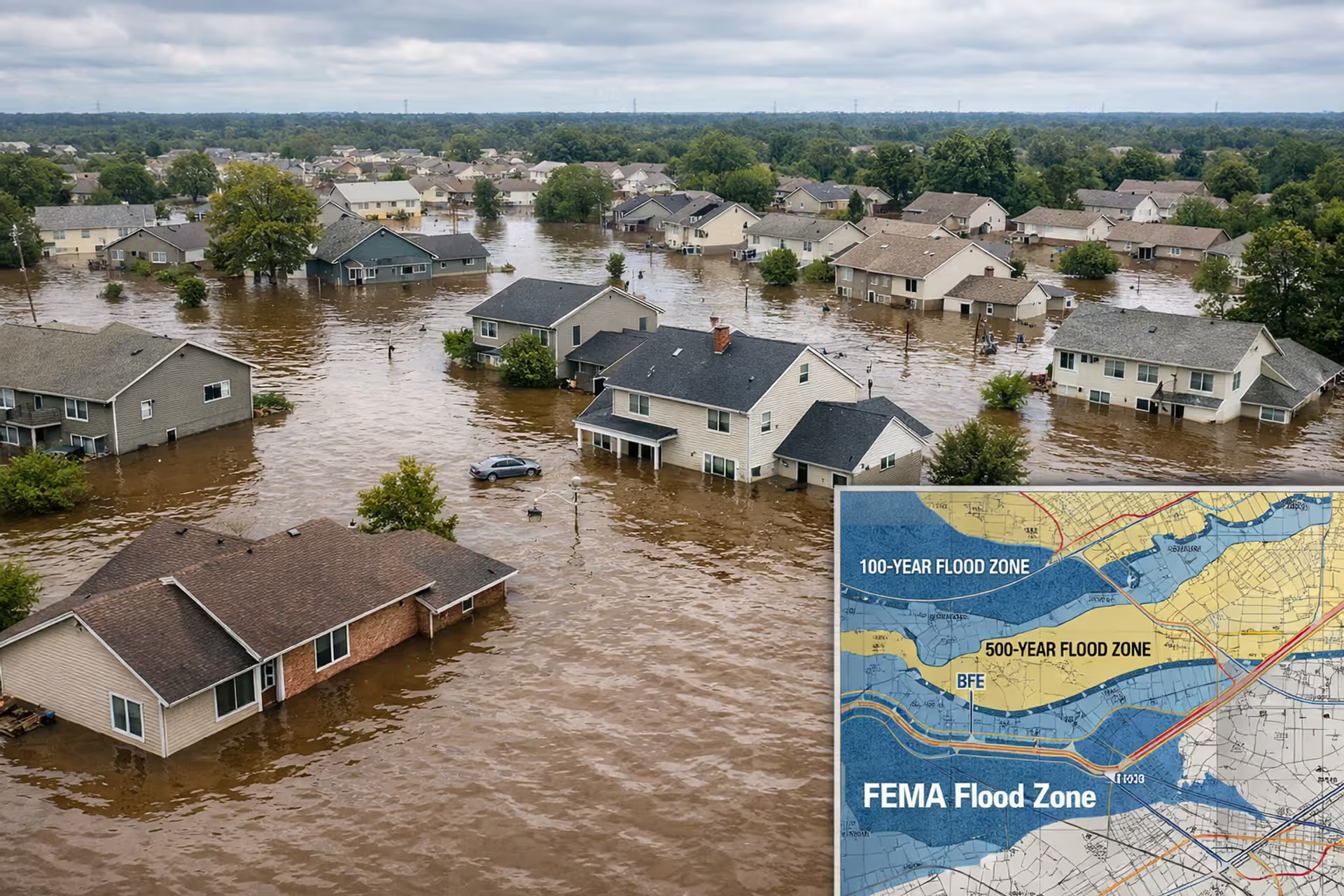
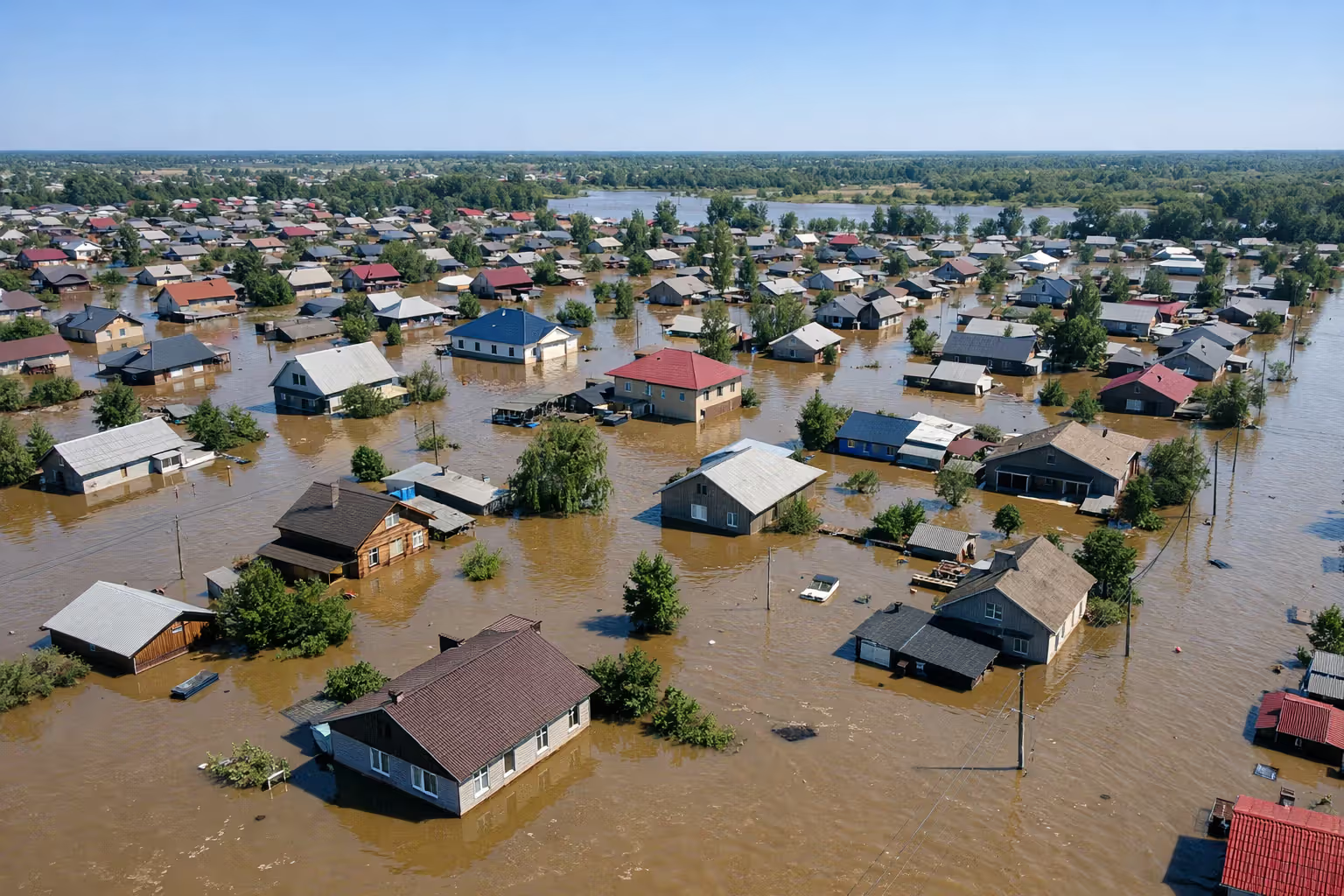
Flood damage occurs when water gathers on ground that's normally dry, then infiltrates your property. This category encompasses:
- Rivers, creeks, or lakes that overflow their boundaries
- Coastal storm surge from hurricanes or tropical systems
- Rainfall that collects on surfaces and penetrates your foundation
- Accumulated snowmelt that breaches your home's envelope
- Mudslides triggered by excessive precipitation
- Water rising through storm drainage systems overwhelmed by rainfall
The defining characteristic: external water made contact with the earth before invading your home. The exclusion applies whether water arrived through a violent, sudden storm or gradual rising from a swelling river.
What Qualifies as Water Damage (typically covered)
Covered water incidents originate from systems integrated into your home's structure or infrastructure:
- Plumbing that ruptures from freezing conditions or deterioration
- Water heaters that fail catastrophically
- Supply lines to washing machines that separate
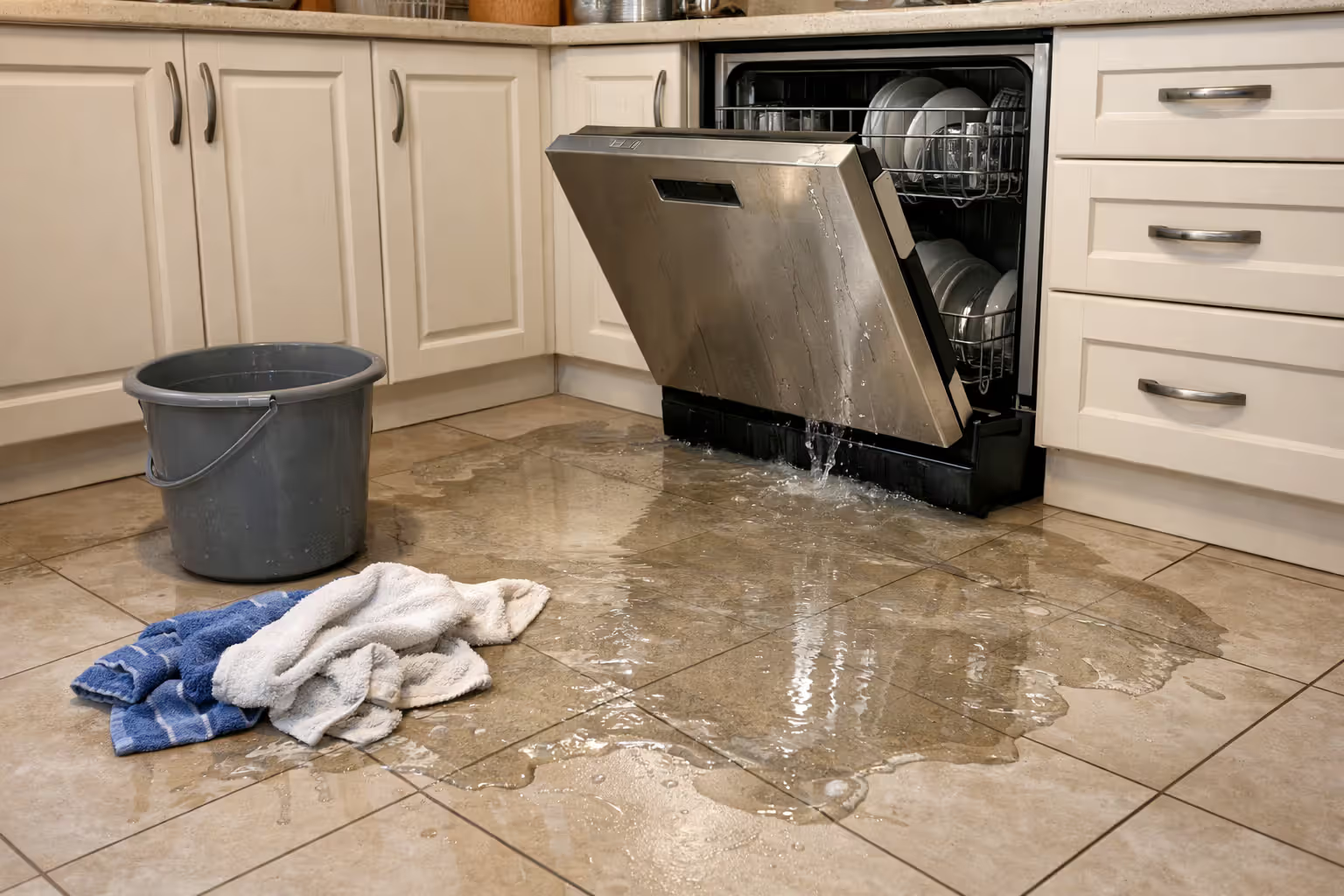
- Dishwashers that leak from mechanical failure
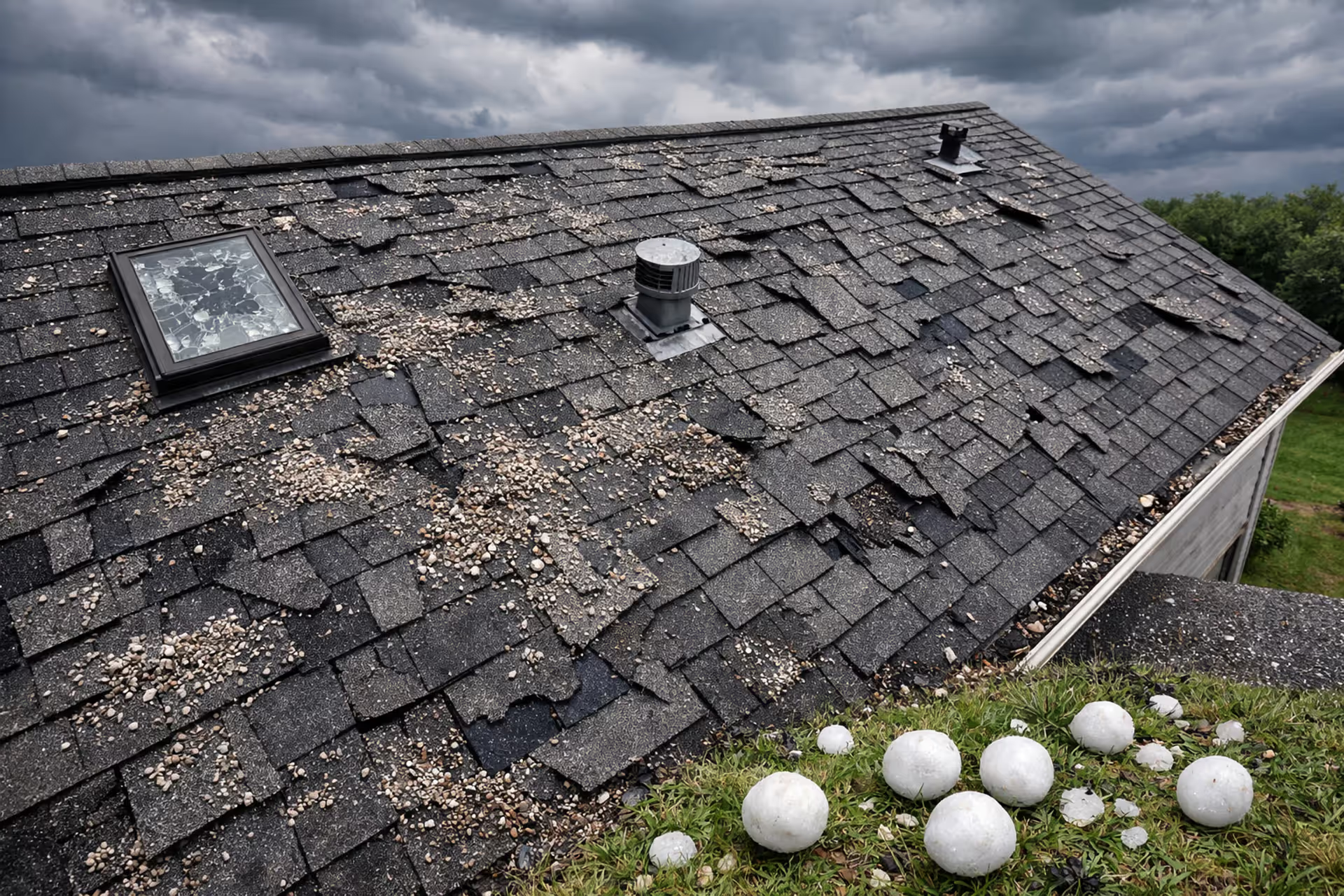
- Roofing that allows water entry after wind removes shingles
- Ice formations that force water beneath roof materials
- Unintended water discharge from heating, cooling, or plumbing systems
These situations involve water that functioned as part of your home's operations or entered through compromised structural elements without first pooling on exterior surfaces.
Gray Areas That Cause Claim Denials
Certain circumstances generate confusion and routinely result in coverage disputes:
Sewer and drain reversals create particularly contentious situations. Municipal sewer systems that reverse flow into your residence during heavy precipitation typically fall outside standard coverage. However, purchasing a separate sewer backup endorsement—generally $50-$100 per year—provides protection for water entering via drains, toilets, or sump pump systems. This supplemental protection requires explicit policy addition.
Foundation infiltration during rainstorms frequently triggers denials. Water seeping through basement walls or floors when rain falls heavily gets classified as surface water intrusion—a flood category—rather than sudden plumbing breakdown. The gradual nature and outside origin disqualify it from standard coverage.
Wind-driven precipitation presents additional complexity. Wind that damages your roof structure, allowing rain to enter through that specific damage, typically qualifies for coverage. Rain that simply enters through windows left open or doors during storms—without accompanying structural damage—often gets excluded.
| Water Damage Situation | Classified as Flood (Excluded) | Classified as Covered Water Damage |
| Precipitation entering basement through window wells | ✓ (external surface water) | — |
| Municipal sewer reversal in rainstorm | ✓ (absent backup endorsement) | ✓ (with backup endorsement purchased) |
| Winter pipe rupture from freezing | — | ✓ (unexpected plumbing breakdown) |
| Creek overflow reaching property | ✓ (water body exceeding boundaries) | — |
| Clothes washer supply hose failure | — | ✓ (appliance component failure) |
| Hurricane coastal surge | ✓ (ocean water inundation) | — |
| Rain through wind-compromised roof | — | ✓ (initial wind damage covered) |
| Subsurface water through foundation fissures | ✓ (groundwater/surface water) | — |
What Water Damage Your Homeowners Insurance Actually Covers
Determining what water damage is covered homeowners insurance involves examining both the water's origin point and the specific conditions surrounding the loss event.
Plumbing ruptures and system breakdowns generate the highest volume of approved water damage claims. Pipes that burst from freezing, corrode and fail, or experience sudden mechanical breakdown typically receive full coverage for resulting damage—sometimes including the expense of accessing the failed pipe for repair. Conversely, pipes that leaked slowly over months or years due to neglected maintenance generally receive denials. The critical dividing line: unexpected and sudden versus slow-developing and preventable through proper upkeep.
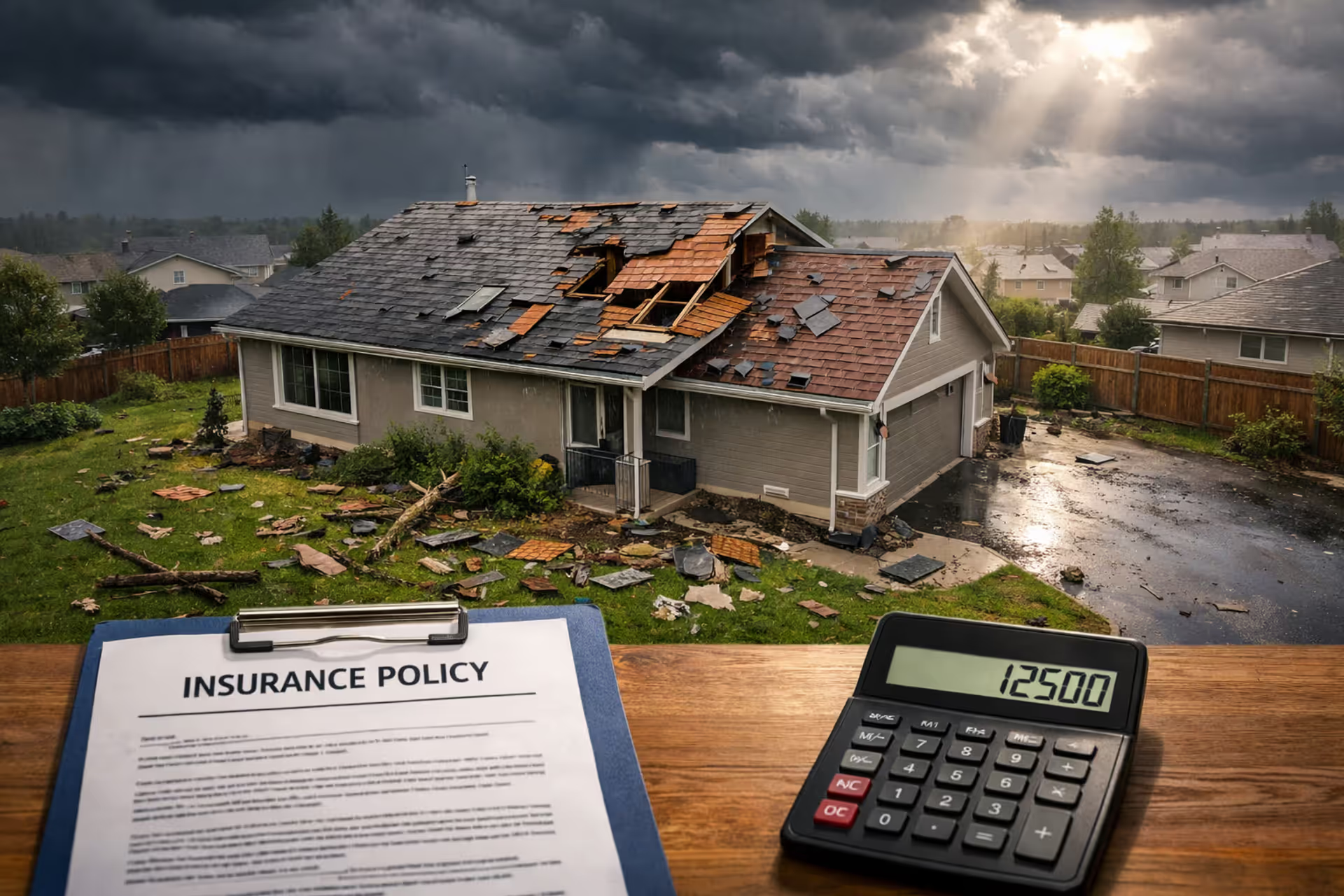
Storm-related roof leaks qualify for payment when a covered event causes the structural breach. Wind that strips away shingles, allowing precipitation inside, triggers coverage. Trees that fall during storms and puncture your roof create covered openings. However, a deteriorated 25-year-old roof that finally surrendered to normal rainfall faces rejection. Insurers protect against sudden storm-caused damage while excluding deferred maintenance consequences.
Appliance mechanical failures that discharge water generally activate coverage. Water heaters that rupture unexpectedly, dishwasher lines that separate, or refrigerator ice maker components that fail all typically qualify. The malfunctioning appliance itself might not receive replacement (your policy type determines this), but water damage to surrounding floors, walls, and possessions usually does.
Author: Marcus Hollowell;
Source: sixth-fleet.com
Ice dam complications develop when ice accumulations on rooflines prevent normal water drainage, forcing moisture beneath shingles into your interior spaces. Most policies provide coverage because the damage stems from a weather-related ice buildup event rather than flooding conditions. Many insurers categorize ice dam damage alongside wind and hail provisions.
Coverage restrictions apply even when the basic situation qualifies for protection. Virtually all policies obligate you to take reasonable protective steps once you discover water intrusion. Noticing a leak and ignoring it for several weeks might result in coverage for the original damage while denying claims for additional destruction that reasonable action would have prevented. Insurers also expect basic home maintenance—filing multiple claims for identical preventable problems can trigger policy non-renewal.
Sub-limits frequently apply to particular water damage categories. Your policy might promise $350,000 for dwelling replacement but restrict mold treatment following water events to $15,000. These embedded limits hide in policy documentation and create unwelcome surprises during the claims process.
How to Get Flood Insurance When Your Home Policy Won't Cover It
Because conventional homeowners coverage excludes flooding, obtaining separate flood protection becomes necessary if you want defense against rising water events.
The National Flood Insurance Program (NFIP) supplies the majority of American flood coverage. FEMA administers the program, offering policies in communities that participate—municipalities that commit to implementing and enforcing floodplain management requirements. You acquire NFIP policies through standard insurance agents, though federal backing supports the coverage.
NFIP policies cap at $250,000 for structural coverage and $100,000 for contents protection. These maximums may prove insufficient for higher-value properties. The program employs standardized pricing determined by flood zone designation, elevation measurements, and construction characteristics rather than permitting individual insurer rate-setting.

Author: Marcus Hollowell;
Source: sixth-fleet.com
Private market flood products have multiplied considerably over recent years. Carriers including Neptune, Kin, and established insurers now provide private flood policies delivering higher coverage ceilings, expanded protection features, and occasionally reduced premiums compared to NFIP—particularly for properties in moderate or lower-risk designations.
Private products might include additional living expenses when flooding displaces you (NFIP excludes this), provide replacement cost valuations for belongings (NFIP calculates actual cash value), or extend higher limits for basements and foundations. However, private carriers retain greater flexibility to cancel or refuse renewal compared to NFIP's stability.
Premium determinants fluctuate dramatically based on flood zone classification. Properties in high-risk Special Flood Hazard Areas might face $2,000-$4,000 annual NFIP premiums, while comparable properties in moderate-risk zones might pay $400-$600. Elevation relative to flood projections matters enormously—structures built above Base Flood Elevation measurements receive substantial rate reductions.
NFIP's recent "Risk Rating 2.0" reforms have transitioned from zone-based calculations to property-specific pricing incorporating distance to water sources, structure value, construction type, and historical flood events. These modifications have raised costs for some policyholders while lowering them for others.
Flood insurance necessity extends well beyond oceanfront real estate. Federal data indicates that one-quarter of all flood insurance claims originate from moderate-to-low risk designations. Even a single inch of interior water can generate $25,000 in restoration costs. Mortgage lenders legally mandate flood coverage for high-risk zone properties, but even absent this requirement, consider your financial capacity to absorb complete property loss.
Flooding occurs anywhere precipitation falls. Urban inundation from inadequate drainage infrastructure, flash flooding in elevated terrain, and river flooding occurring hundreds of miles inland all happen routinely. Your actual flood exposure depends less on ocean proximity and more on local topography, drainage capacity, and precipitation patterns.
Coverage waiting periods prevent purchasing flood insurance when hurricanes approach your region. NFIP policies generally impose 30-day waiting periods before protection activates. Some private options feature shorter waiting requirements, but anticipate purchasing flood coverage well before needing it. This delay mechanism prevents coverage purchases only when flood events become imminent.
Common Mistakes Homeowners Make With Flood and Water Damage Coverage
Believing all water damage receives coverage ranks as the most expensive misconception. Property owners notice "water damage" listed among covered perils and conclude this encompasses all water-related losses. They overlook the exclusions section that specifically eliminates flood, surface water, and groundwater from protection. This misunderstanding produces denied claims and severe financial consequences.
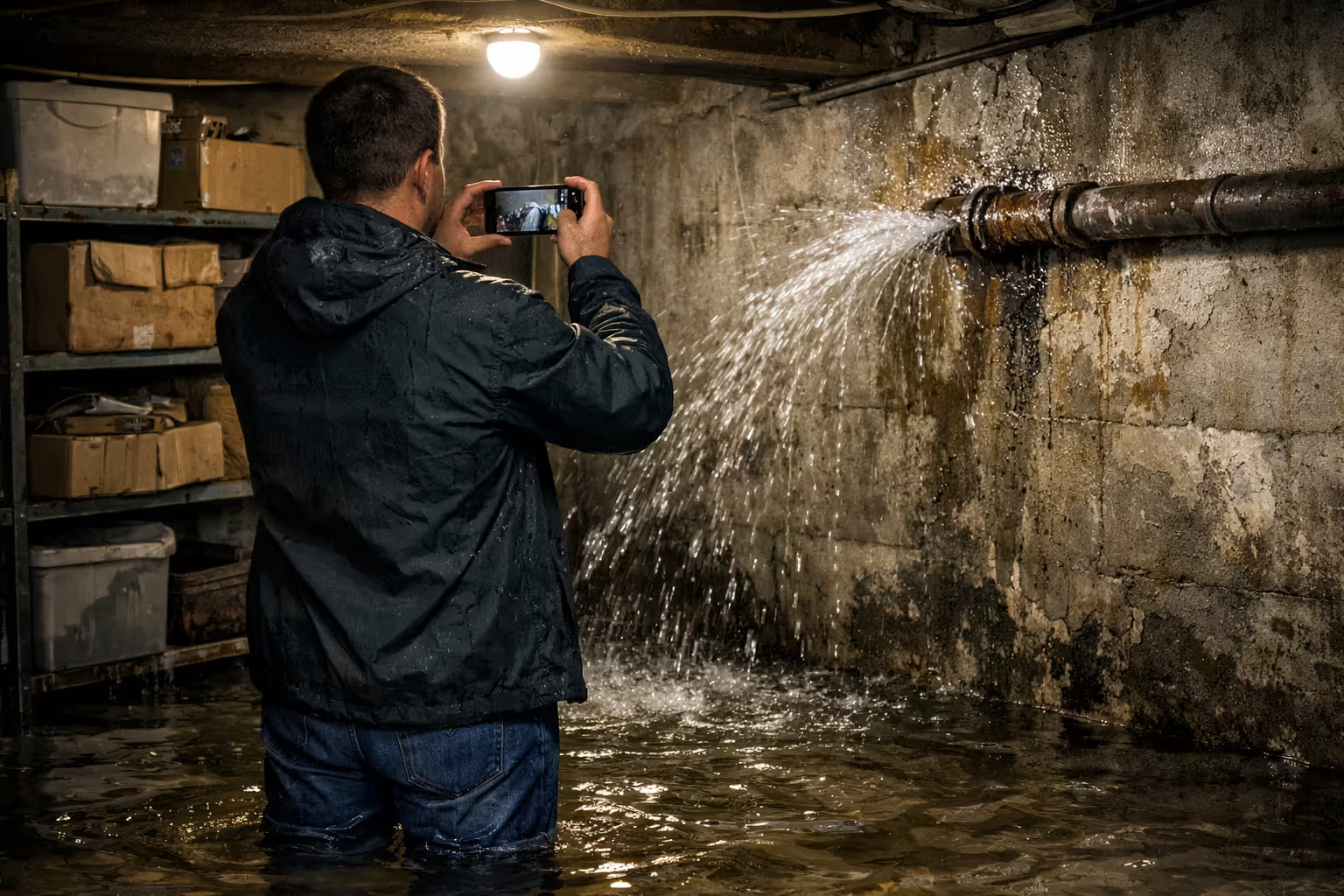
Failing to document water origin during emergency situations can sabotage your claim during the review process. When water invades your property, capture photographs and video demonstrating entry points and exterior conditions. If plumbing failed, document the failed component. If your roof allowed water entry, photograph the roof damage. Claims undergo investigation, and clear evidence of a covered source substantially strengthens your position.
One homeowner submitted a claim for basement water intrusion during rainfall, asserting plumbing had ruptured. The claims adjuster discovered no plumbing failure evidence and observed that surrounding properties also experienced basement water. Without burst pipe documentation, the claim received denial as flood damage.
Author: Marcus Hollowell;
Source: sixth-fleet.com
Delaying claim reporting beyond reasonable timeframes can produce denials or diminished settlements. Policies typically mandate "timely" loss notification. While you needn't contact your insurer while actively extracting water, reporting should occur within days rather than weeks or months afterward. Postponed reporting complicates cause and damage extent determination, providing insurers justification for coverage denial.
Declining flood insurance in lower-risk zones because it's not mandatory ignores the reality that these areas experience regular flooding. The designation "low-risk" doesn't translate to "zero-risk"—it indicates approximately 1% annual flood probability, which accumulates to 26% probability across a typical 30-year mortgage period. Numerous homeowners in these zones suffer flood losses without any protection because they assumed their geography provided safety.
Overlooking policy sub-limits for specific damage categories creates unrealistic expectations. Your coverage might include $400,000 dwelling protection but restrict basement area water damage to $10,000, or limit mold remediation to $5,000. These embedded restrictions appear in policy fine print, and homeowners frequently discover them only when submitting claims.
Another widespread oversight: not acquiring optional endorsements that address coverage voids. Sewer backup protection, for instance, costs approximately $50-$100 annually but can prevent five-figure uncovered losses. Water backup endorsements defend against water entering via drains, sump systems, or sewers—a distinct scenario from flood insurance yet still excluded from standard policies without the addition.
Frequently Asked Questions About Flood Coverage and Home Insurance
Protecting Your Home Requires Understanding the Limits
Homeowners insurance delivers comprehensive protection against numerous perils, yet flood damage remains firmly beyond that protection boundary. The distinction between covered water damage originating from internal sources and excluded flood damage from external water accumulation determines whether your claim receives approval or rejection.
Most Americans underestimate their genuine flood exposure while overestimating their insurance protection scope. If you haven't examined your policy's water damage exclusions or assessed your actual flood vulnerability, immediate action becomes necessary. Verify whether flood insurance suits your situation, confirm that water backup coverage exists if your property contains basement drains or sump systems, and understand precisely which scenarios your current policy addresses.
Flood insurance costs—typically several hundred to several thousand dollars annually—represent a fraction of flooding's potential financial devastation. Individual flood events routinely generate $50,000, $100,000, or substantially higher restoration expenses. Recovery without insurance protection frequently proves financially catastrophic.
Review your policy's declarations page and exclusions documentation. Discuss your specific coverage and protection gaps with your insurance agent. Evaluate your local flood vulnerability honestly rather than optimistically. The time invested understanding your coverage today prevents financial devastation tomorrow.
Water damage, across all its manifestations, represents among the most frequent and expensive homeowner perils. Understanding which water damage your insurance addresses—and which demands separate flood coverage—equips you with knowledge to protect both your property and your financial stability.