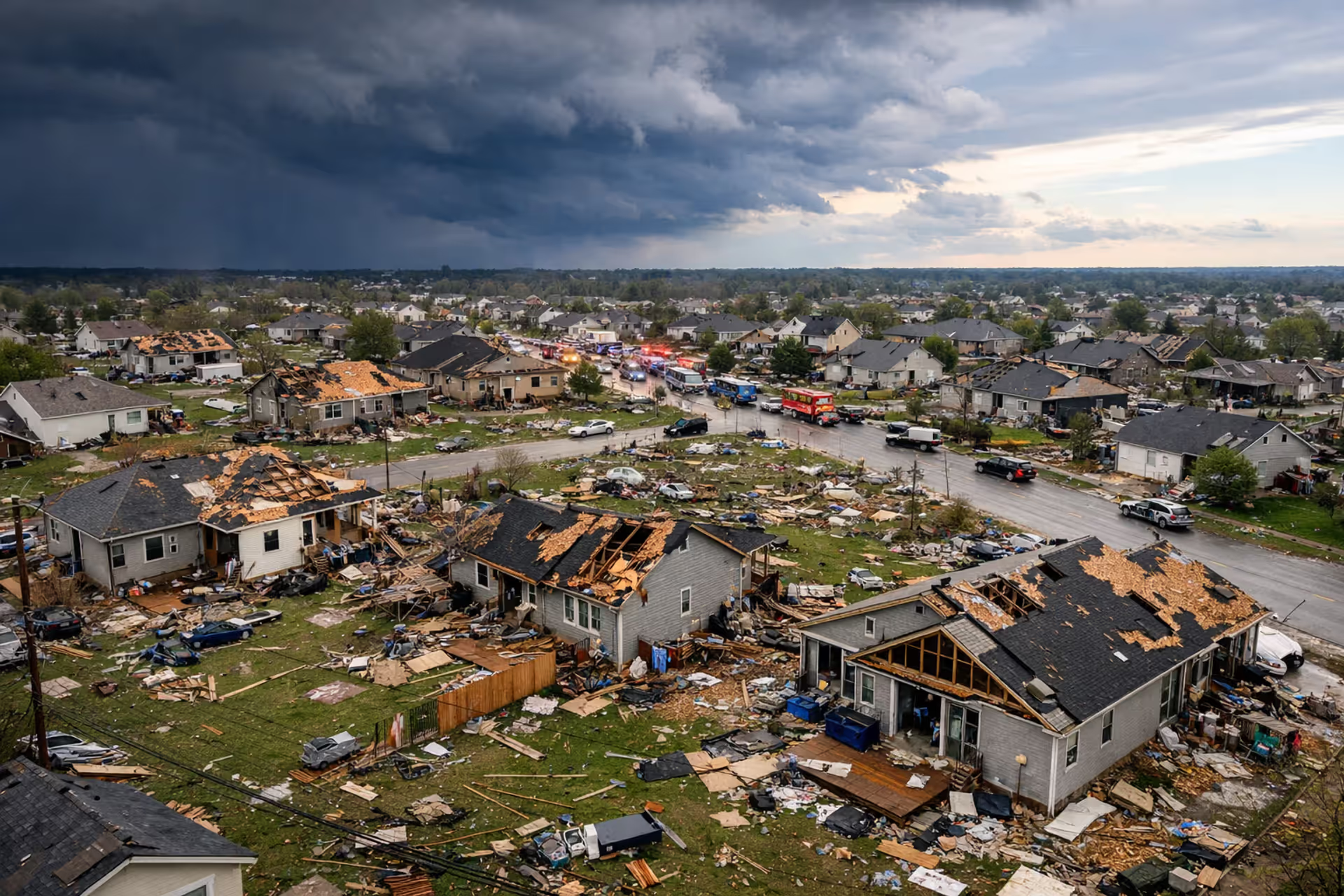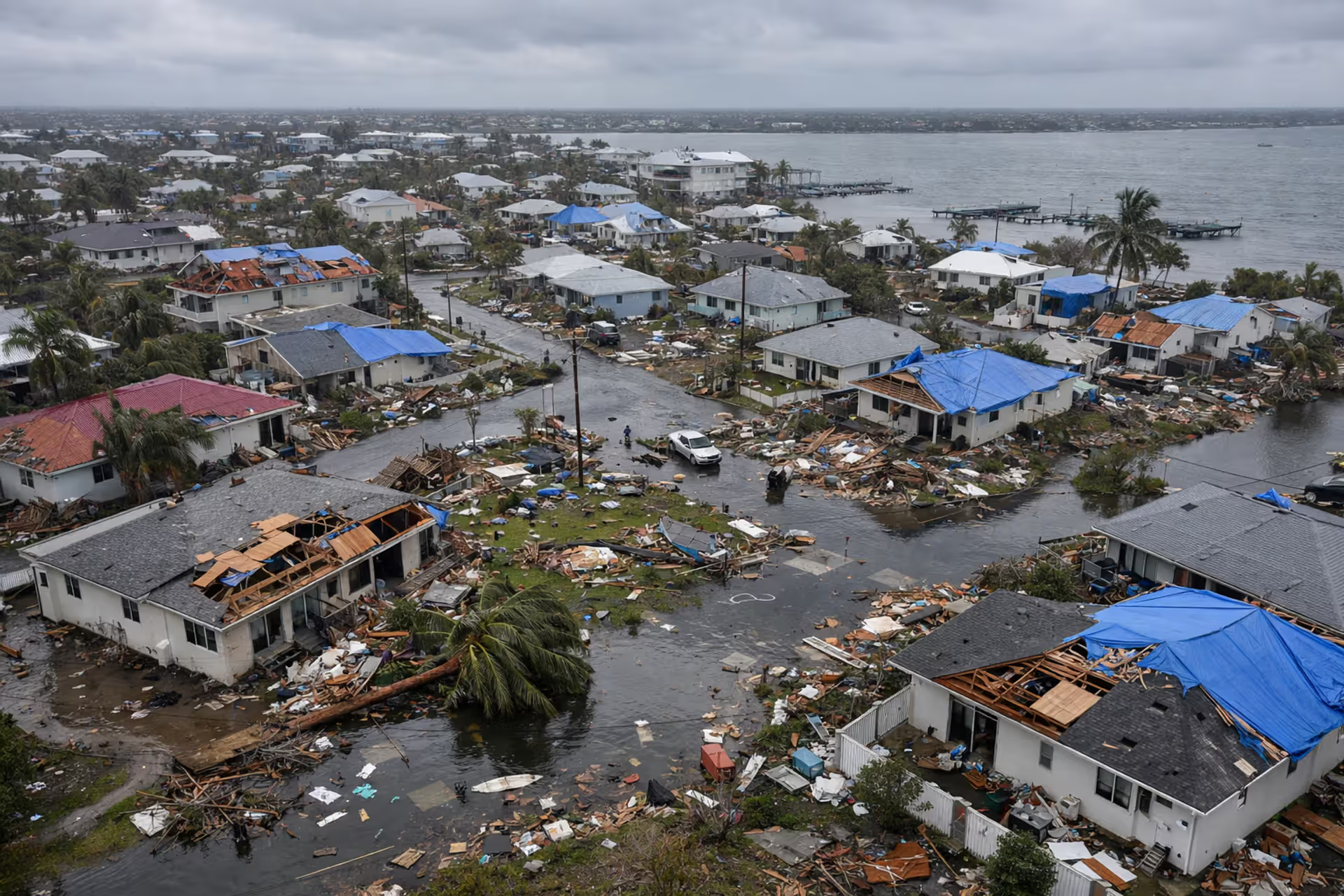
Aerial view of coastal residential neighborhood after hurricane showing damaged roofs, fallen trees, debris on streets, and flooded yards under overcast sky
Does Home Insurance Cover Hurricane Damage? A Homeowner’s Guide

Content
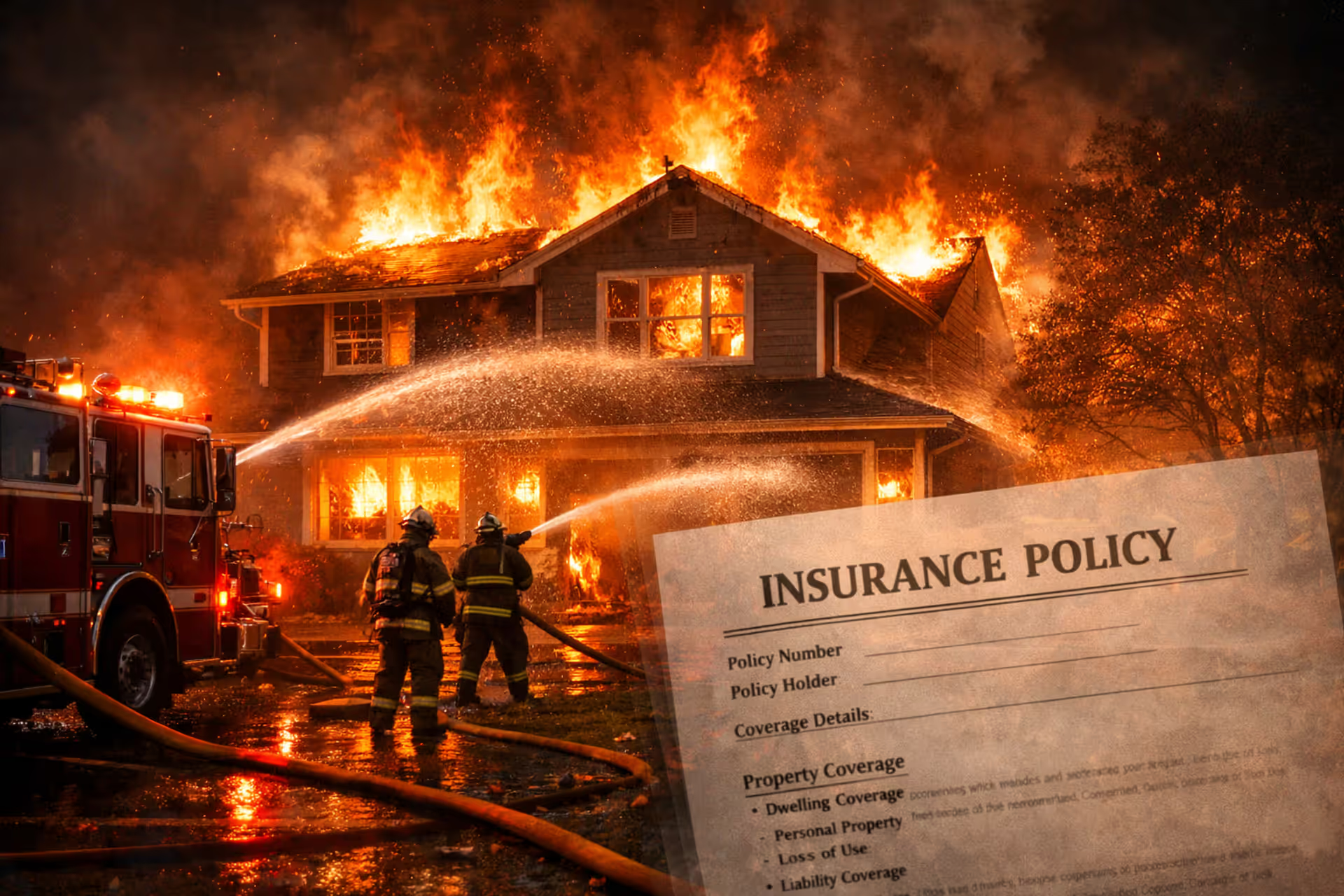
When a hurricane approaches, homeowners face more than just the immediate threat of wind and rain. Understanding your insurance coverage before disaster strikes can mean the difference between a full recovery and financial devastation. Most standard homeowners policies provide significant protection against hurricane-related perils, but critical gaps exist that catch many property owners off guard.
The confusion stems from how insurers categorize hurricane damage. Your policy treats wind destruction differently from water intrusion, and the source of that water determines whether you're covered or facing out-of-pocket costs that can exceed six figures. Coastal residents in Florida, Texas, Louisiana, and the Carolinas face additional complications through specialized programs and unique deductible structures that don't apply elsewhere.
What Hurricane Damage Does Standard Homeowners Insurance Cover?
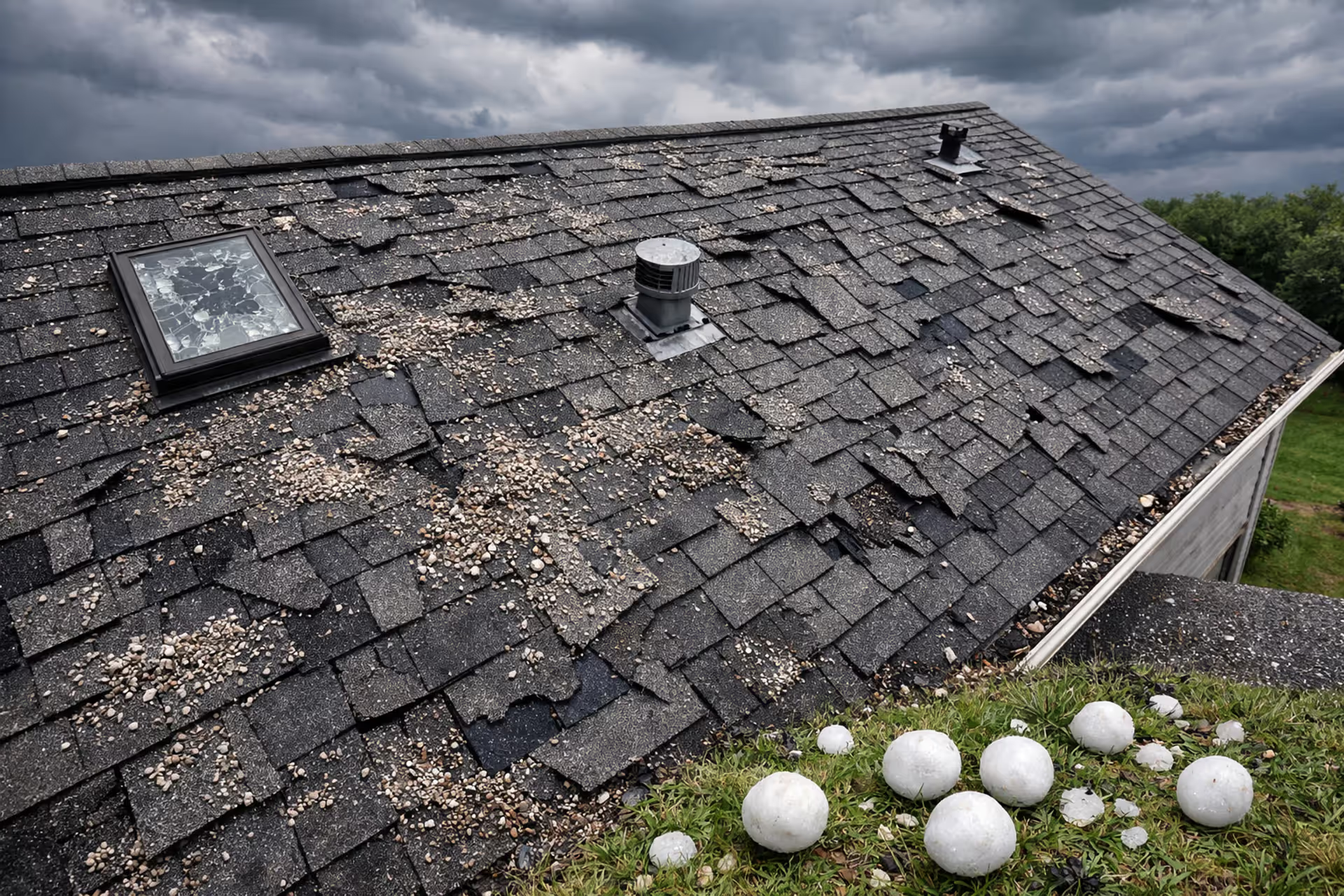
Standard homeowners insurance policies typically cover hurricane-related wind damage as a named peril under your dwelling and personal property coverage. When hurricane-force winds tear shingles from your roof, send tree limbs through windows, or collapse your garage, your policy's dwelling coverage responds. This protection extends to damage from flying debris, hail that accompanies the storm, and the structural harm these forces cause.
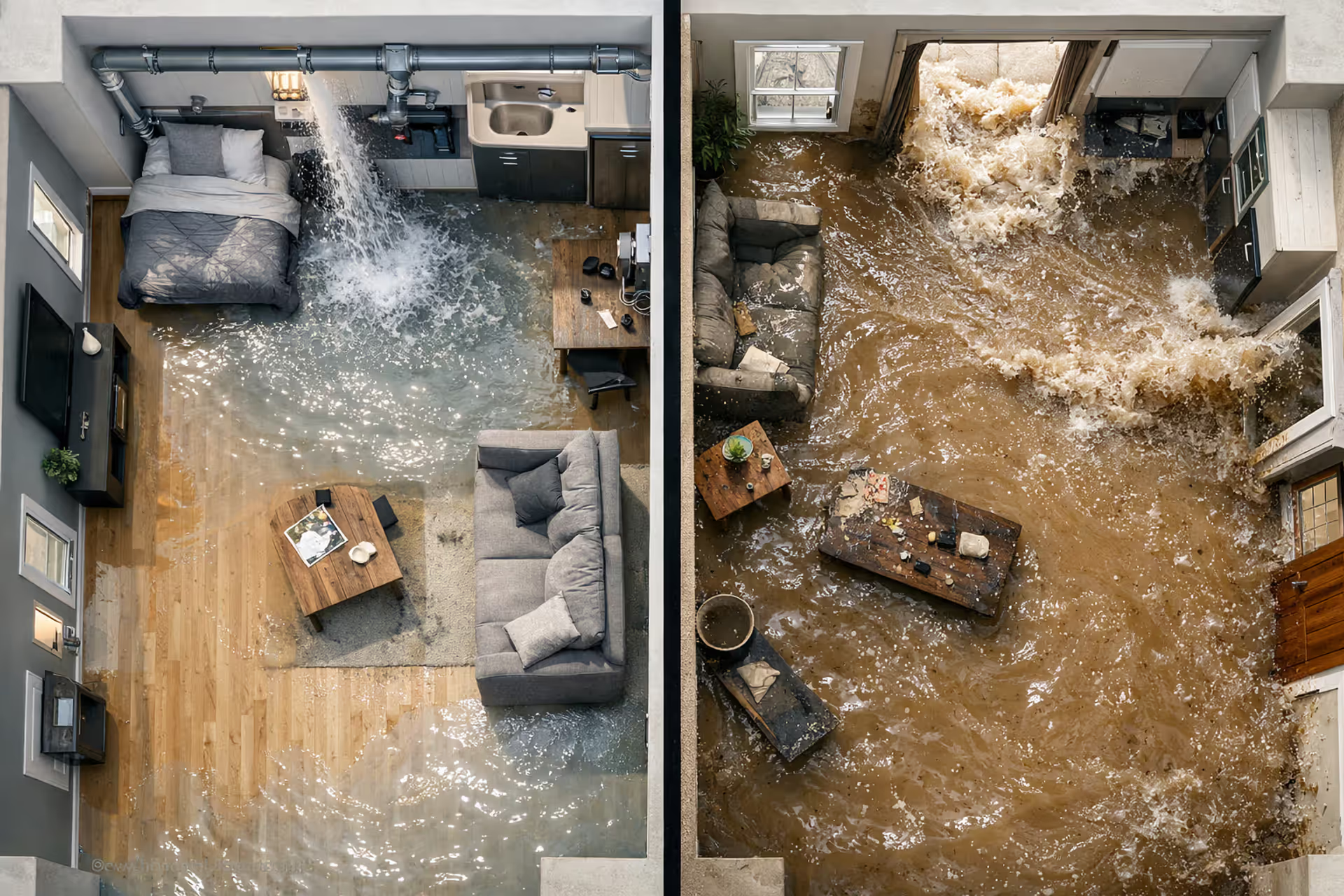
Your policy's personal property coverage protects belongings damaged by covered perils. If wind-driven rain enters through a wind-damaged roof or broken window and ruins furniture, electronics, or clothing, you can file a claim for those items up to your policy limits. The key phrase here is "wind-driven rain"—water that enters because wind first created an opening in your home's envelope.
Additional living expenses (ALE) coverage becomes invaluable when hurricane damage makes your home uninhabitable. This portion of your hurricane damage coverage homeowners insurance policies typically reimburses hotel costs, restaurant meals, and other necessary expenses while contractors repair your property. Most policies cap ALE at 20-30% of your dwelling coverage limit, with time restrictions ranging from 12 to 24 months.
Real-world example: A homeowner in Wilmington, North Carolina, experienced roof damage when Hurricane Florence's winds peeled back sections of shingles. Rain entered through the exposed decking, damaging ceilings, walls, and furniture in two bedrooms. The insurance company covered the roof repair, interior restoration, and damaged belongings because wind created the initial breach. Total payout: $47,000 against a $2,500 deductible.
The hurricane insurance coverage homeowners property guide includes coverage for detached structures like sheds, fences, and detached garages, typically at 10% of your dwelling limit. If your pool enclosure collapses or your fence blows down, you can claim these losses under the same wind peril that damaged your main structure.
Storm Surge and Flood Damage: The Critical Gap in Hurricane Coverage
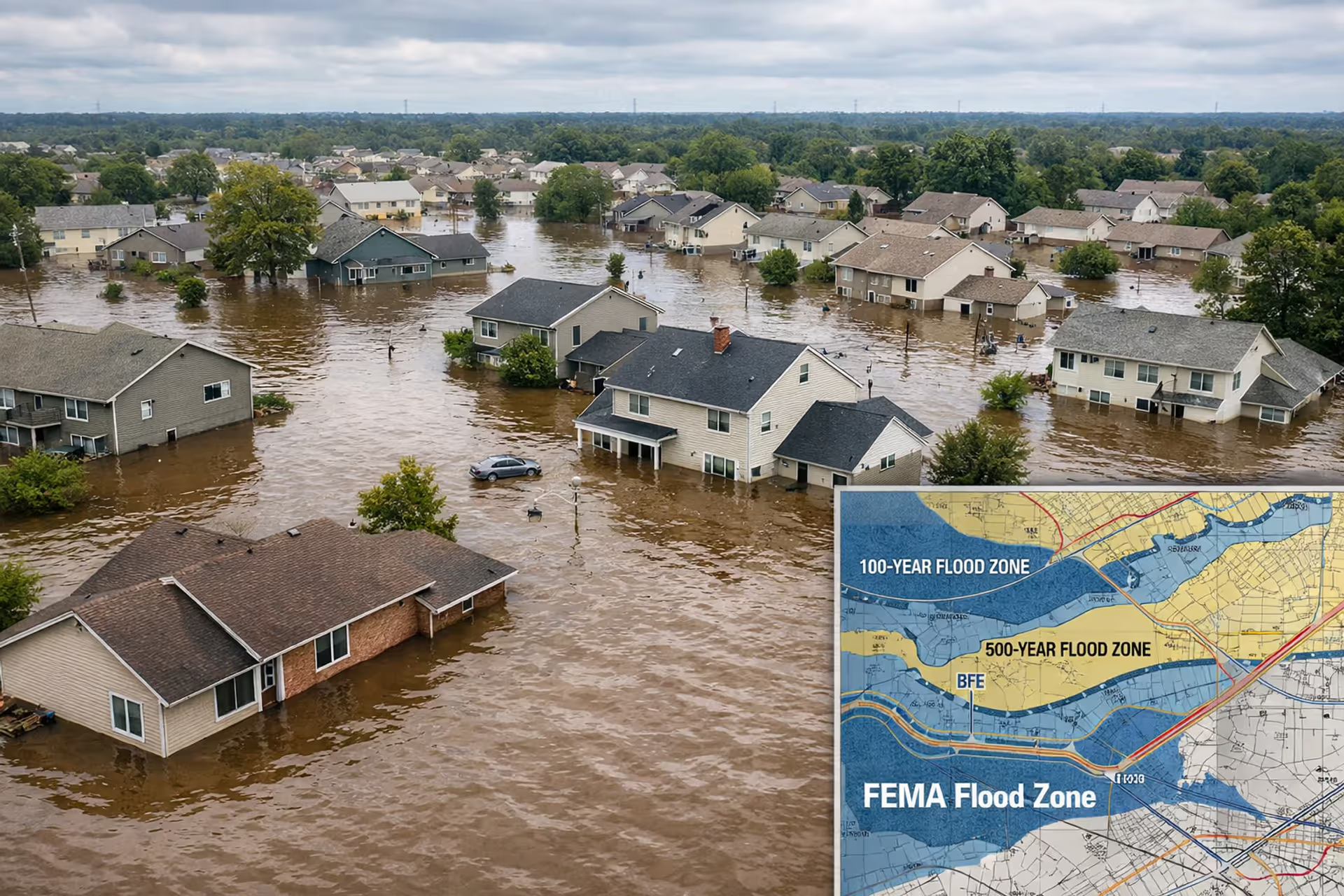
Here's where many homeowners discover an expensive surprise: standard policies explicitly exclude flooding and storm surge, regardless of the storm's intensity. When Hurricane Ian pushed 12-18 feet of ocean water into Fort Myers Beach homes in 2022, standard homeowners policies denied those claims. The water came from rising seas and rainfall accumulation—both defined as flooding, not wind damage.
The storm surge insurance homeowners coverage guide clarifies a distinction that determines claim outcomes. Wind-driven rain that enters through a wind-damaged opening is covered. Water that rises from the ground, whether from storm surge, heavy rainfall, or overwhelmed drainage systems, requires separate flood insurance. This exclusion applies even when a hurricane causes the flooding.
Determining the damage source becomes contentious after major hurricanes. Adjusters examine water lines, debris patterns, and damage sequences to establish whether wind or water caused destruction. If your home shows wind damage to the roof but water entered primarily through doors and lower-level openings as surge pushed inland, insurers may cover only the roof while denying claims for water-damaged interiors.
Homeowners consistently underestimate their flood risk and assume their standard policy covers all hurricane damage. In reality, storm surge causes more catastrophic losses than wind in most major hurricanes, yet fewer than 40% of coastal homeowners carry flood insurance
— James Wilkins
The National Flood Insurance Program (NFIP) provides federally-backed flood coverage with dwelling limits up to $250,000 and contents coverage to $100,000. Private flood insurance has expanded in recent years, often offering higher limits and additional coverages like temporary living expenses, which NFIP excludes. Premiums vary dramatically based on flood zone designation, elevation, and distance from water bodies.
Coastal homeowners should secure flood insurance well before hurricane season. NFIP policies carry a 30-day waiting period, meaning you cannot purchase coverage as a storm approaches. This waiting period prevents adverse selection but leaves procrastinators unprotected.
How Hurricane Deductibles Work in Homeowners Policies
Unlike standard deductibles that apply to most claims, hurricane deductibles function differently and cost substantially more out-of-pocket. These specialized deductibles apply as a percentage of your dwelling coverage rather than a flat dollar amount, and they activate based on specific trigger mechanisms that vary by state and insurer.
The hurricane peril insurance homeowners policies guide explains that percentage-based deductibles typically range from 1% to 10% of your dwelling coverage. On a $400,000 home, a 2% hurricane deductible means you pay the first $8,000 of covered damage before insurance contributes. Compare this to a standard $1,000 deductible for non-hurricane claims, and the financial impact becomes clear.
Trigger mechanisms determine when hurricane deductibles apply. Most states use "named storm" triggers, activating the higher deductible when the National Weather Service officially names a tropical system. Some policies use calendar-based triggers (June 1 through November 30), while others employ wind-speed thresholds. Texas and Florida employ state-specific trigger definitions that can vary between insurers.
| Deductible Type | Calculation Method | Example: $300K Home | When It Applies | Homeowner Pays |
| Standard Flat | Fixed dollar amount | $1,500 deductible | Non-hurricane claims | $1,500 |
| 2% Hurricane | 2% of dwelling coverage | $300K × 2% | Named storm declared | $6,000 |
| 5% Hurricane | 5% of dwelling coverage | $300K × 5% | Named storm declared | $15,000 |
| Combined Wind/Hail | Varies by policy | Often 1-2% | Any wind/hail event | $3,000-$6,000 |
Geographic variations create complexity. Louisiana mandates that insurers offer both percentage and flat-dollar hurricane deductible options. Florida requires a minimum $500 deductible option for hurricanes, though most coastal policies carry much higher percentages. North Carolina distinguishes between coastal and inland counties, with different deductible structures applying to each zone.
Some policies include separate wind/hail deductibles that apply year-round, not just during named storms. A homeowner might face a 2% wind deductible for damage from a severe thunderstorm in April, then a 5% hurricane deductible when a named storm hits in September. Reading your declarations page carefully prevents surprises when filing claims.
Premium credits sometimes accompany higher deductibles. Choosing a 5% hurricane deductible instead of 2% might reduce your annual premium by $400-$800, but you accept significantly more financial risk. For homeowners with adequate emergency savings, higher deductibles make mathematical sense. For those living paycheck-to-paycheck, a large percentage deductible can make recovery impossible even with insurance coverage.
Filing a Hurricane Damage Claim: Step-by-Step Process
The hurricane damage homeowners insurance claims guide emphasizes that documentation begins immediately after the storm passes and authorities declare your area safe. Use your smartphone to photograph and video every damaged area from multiple angles. Capture wide shots showing overall destruction and close-ups detailing specific damage. Date-stamped photos prove the damage occurred during the storm rather than from pre-existing conditions or subsequent events.
Create a room-by-room inventory of damaged personal property. Note brand names, approximate ages, and purchase prices when possible. Receipts help but aren't mandatory—insurers accept reasonable estimates for most items. Don't discard damaged items until an adjuster inspects them unless they pose health or safety hazards. If you must remove debris, photograph items before disposal.
Author: Marcus Hollowell;
Source: sixth-fleet.com
Contact your insurance company within 24-48 hours of the storm, even if you're still assessing damage. Insurers deploy additional adjusters to affected areas, but demand overwhelms capacity after major hurricanes. Early reporting secures your place in the queue. Most companies offer multiple contact methods: phone, mobile app, website portal. Use whatever works, but document your claim number and representative's name.
Protect your property from further damage—this is a policy requirement, not optional. Tarp damaged roofs, board broken windows, and extract standing water. Save receipts for emergency materials and temporary repairs. Your policy's dwelling coverage typically reimburses reasonable emergency mitigation costs, even before the adjuster arrives. A $300 tarp that prevents $10,000 in additional water damage is money well spent.
When the adjuster arrives, walk them through every damaged area. Point out damage they might miss. Adjusters handle dozens of claims weekly and can overlook items you notice daily. If you disagree with their assessment, say so professionally and explain why. Initial estimates often undervalue damage, particularly for items requiring specialized repair or hidden structural issues.
Common mistakes that reduce payouts include:
- Accepting the first settlement offer without reviewing repair estimates from licensed contractors
- Beginning permanent repairs before the adjuster inspects, eliminating evidence
- Failing to document pre-storm home condition, allowing insurers to claim pre-existing damage
- Missing policy deadlines for submitting proof of loss or supplemental claims
- Not reading the entire policy to understand coverage limits and special conditions

Author: Marcus Hollowell;
Source: sixth-fleet.com
After major hurricanes, contractors flood affected areas. Some are legitimate professionals; others are unlicensed opportunists. Never sign a contract giving a contractor authority to negotiate with your insurer or agree to assignment of benefits without understanding the implications. These arrangements can limit your control over the claims process and lead to inflated repair costs.
If your claim is denied or significantly underpaid, you have options. Request a detailed explanation in writing citing specific policy language. Many states require insurers to provide this documentation. Consider hiring a public adjuster—a licensed professional who represents policyholders rather than insurance companies. Public adjusters typically charge 10-15% of the settlement but can substantially increase payouts for complex claims. For disputes involving large amounts, an attorney specializing in insurance claims may be necessary.
Special Considerations for Coastal Homeowners
Homeowners in high-risk hurricane zones face a fundamentally different insurance landscape than those inland. Private insurers have retreated from coastal areas in Florida, Louisiana, and Texas, creating gaps filled by state-backed programs and specialized windstorm pools. Understanding these alternatives is essential for coastal property owners.
Florida's Citizens Property Insurance Corporation serves as the state's insurer of last resort, covering properties that private companies won't insure at regulated rates. While Citizens provides necessary coverage, policies typically cost more than private insurance and offer less comprehensive protection. Florida law requires Citizens to attempt "depopulation"—transferring policies to private insurers when possible, sometimes at significantly higher premiums.
The Texas Windstorm Insurance Association (TWIA) provides wind and hail coverage for coastal properties in designated catastrophe areas. TWIA policies cover only windstorm damage, requiring homeowners to purchase separate policies for other perils like fire, theft, and liability. This fragmented coverage creates coordination challenges when multiple perils damage a home simultaneously.
Author: Marcus Hollowell;
Source: sixth-fleet.com
Louisiana Citizens Property Insurance Corporation operates similarly to Florida's program, though with different eligibility requirements and coverage options. The Louisiana Coastal Protection and Restoration Authority's Master Plan influences insurance availability as the state implements long-term strategies to address land loss and storm vulnerability.
These state programs share common characteristics: higher deductibles, coverage limitations, and potential for special assessments. When catastrophic hurricanes deplete program reserves, state laws may allow assessments on all policyholders statewide, meaning even inland homeowners can face surcharges to fund coastal claims.
The hurricane insurance coverage homeowners property guide for coastal areas includes several strategies to improve coverage access and affordability:
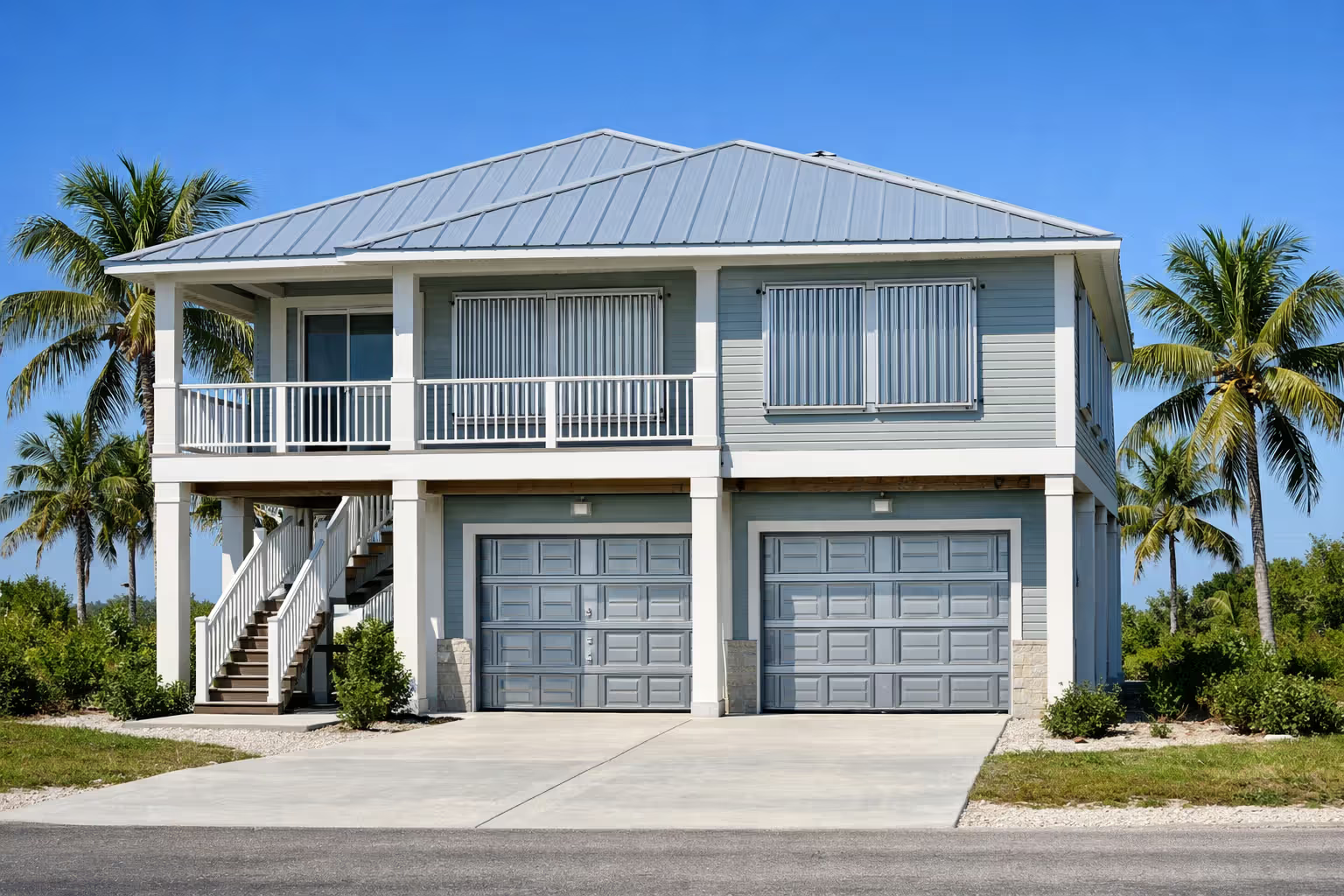
Fortified Home certification programs offered by the Insurance Institute for Business & Home Safety can reduce premiums by 20-40%. These programs verify that homes meet enhanced construction standards for roofing, wall bracing, and opening protection. The upfront investment in improvements pays off through lower premiums and better storm performance.
Elevation matters significantly for flood insurance costs. Homes elevated above base flood elevation levels pay substantially less than those at or below grade. Coastal homeowners renovating should consider elevation improvements, which can reduce annual flood premiums by thousands of dollars.
Shopping among the remaining private insurers yields surprising results. While major national carriers have reduced coastal exposure, regional and specialty insurers continue writing policies. Working with independent agents who represent multiple companies increases the chances of finding competitive coverage.
When Home Insurance Won't Pay for Hurricane Damage
Understanding exclusions prevents false expectations and claim denials. Maintenance-related damage tops the list of denied claims after hurricanes. If your roof was already deteriorating before the storm and wind simply finished what neglect started, insurers will deny coverage. Policies cover sudden, accidental damage—not the inevitable result of deferred maintenance.
Document your home's pre-storm condition through photos and maintenance records. A roof inspection report from six months before the hurricane showing good condition strengthens your position if the insurer claims pre-existing damage. Regular maintenance receipts for HVAC, roofing, and structural systems demonstrate responsible homeownership.
Earth movement exclusions deny coverage for landslides, sinkholes, and ground subsidence even when hurricanes trigger these events. Heavy rainfall can destabilize slopes and cause catastrophic landslides, but standard policies won't cover this damage. Earthquake insurance sometimes covers earth movement, but check specific policy language—many earthquake policies exclude weather-related ground failure.
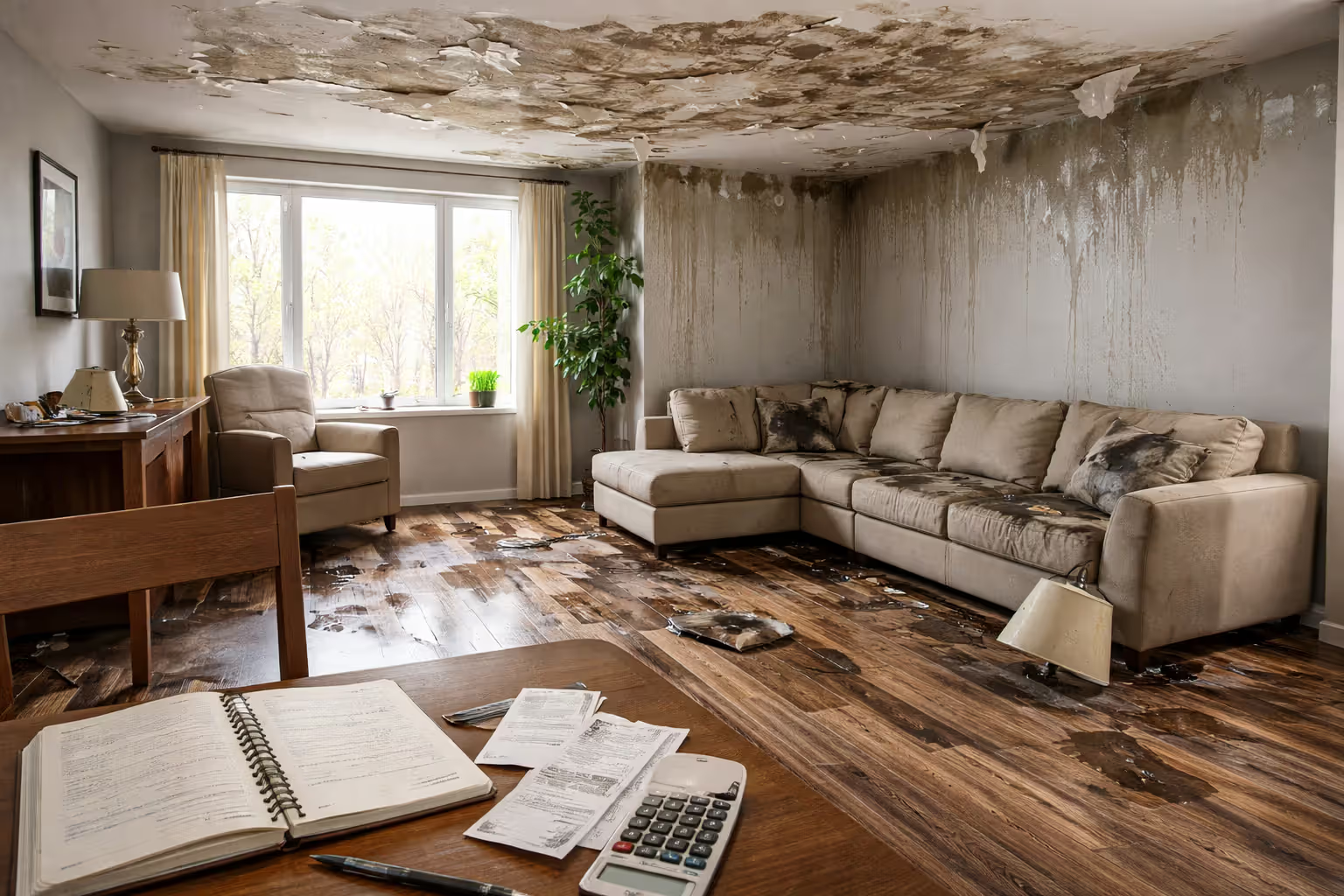
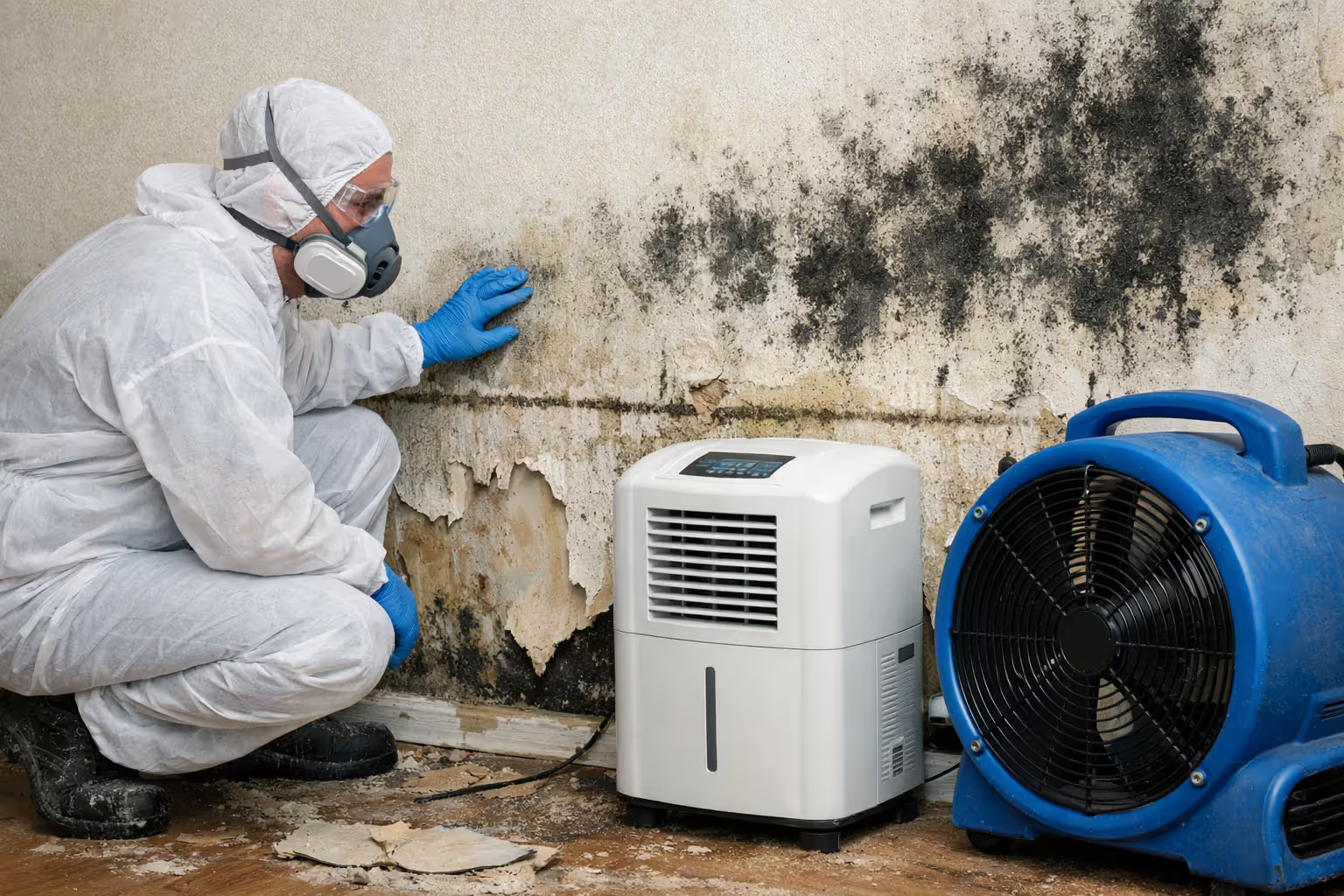
Mold presents a complicated scenario. Most policies cover mold remediation if it results from a covered peril and you address it promptly. If hurricane wind damages your roof, rain enters, and you immediately tarp and dry the area, mold remediation is likely covered. If you delay repairs for weeks and mold spreads, insurers may deny coverage, arguing that your failure to mitigate damage caused the mold problem rather than the hurricane itself.
Author: Marcus Hollowell;
Source: sixth-fleet.com
Policy sub-limits often catch homeowners unprepared. While your dwelling coverage might be $500,000, specific categories carry lower limits. Jewelry might be capped at $2,500, firearms at $3,000, and electronics at $5,000 total. Scheduled personal property endorsements increase these limits for valuable items, but you must purchase this coverage before the loss occurs.
Power surge damage from hurricanes falls into a gray area. If lightning strikes your home during the hurricane and surges destroy electronics, coverage typically applies. If the power company's equipment fails during the storm and sends a surge through your home, some policies exclude this as indirect damage. Review your policy's electrical damage provisions and consider equipment breakdown coverage.
Business property used at home carries limited coverage under standard homeowners policies, typically $2,500 or less. If you operate a home business with significant equipment or inventory, a business owners policy or in-home business endorsement provides necessary protection that standard policies exclude.
FAQ: Hurricane Coverage Questions Homeowners Ask Most
Protecting Your Financial Future Against Hurricane Losses
Hurricane coverage requires layering multiple policies to address different damage sources. Your standard homeowners insurance handles wind damage, flying debris, and resulting water intrusion through wind-created openings. Flood insurance covers storm surge and rising water that standard policies exclude. Understanding how these policies interact and where gaps exist determines whether you recover fully or face devastating out-of-pocket costs.
The deductible structure for hurricane claims differs substantially from other losses, often requiring homeowners to pay thousands or tens of thousands before insurance contributes. Budgeting for this expense and maintaining adequate emergency reserves prevents financial hardship during recovery. Coastal homeowners face additional complexity through state programs, windstorm pools, and specialized coverage requirements that demand careful policy review.
Documentation makes the difference between smooth claims and protracted disputes. Photograph your home's condition before hurricane season, maintain repair records, and document damage thoroughly after storms. Understanding your policy's specific provisions, exclusions, and limits before disaster strikes eliminates surprises when you need coverage most.
The insurance landscape continues evolving as climate change increases hurricane intensity and frequency. Coastal property values rise while insurers retreat from high-risk areas, creating affordability challenges and coverage gaps. Homeowners who understand their coverage, prepare adequately, and maintain comprehensive protection position themselves to weather both literal and financial storms.