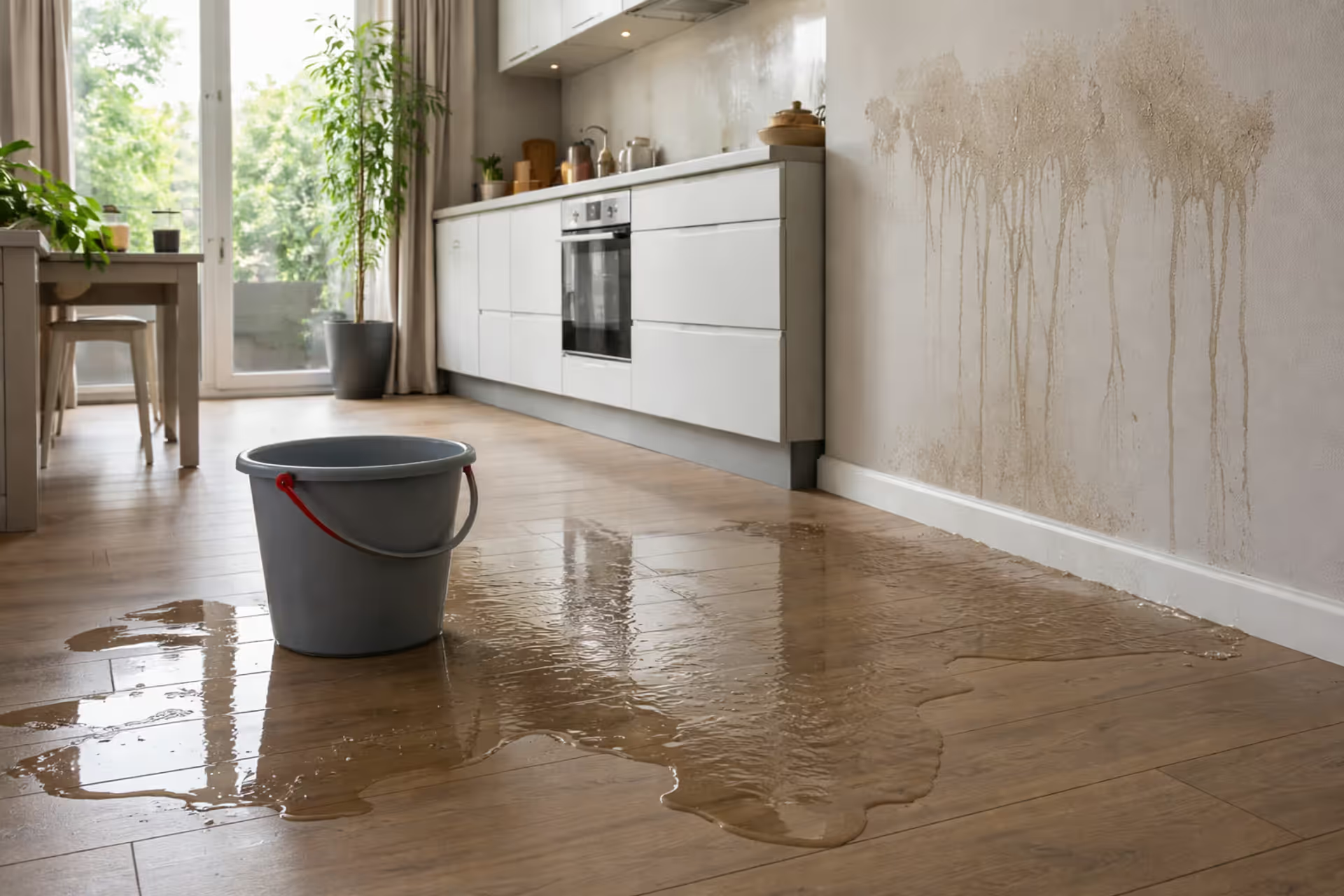
Water damage inside a modern home with standing water on the kitchen floor and visible moisture stains on the wall
Does Homeowners Insurance Cover Water Damage? What You Need to Know

Content
Water damage ranks among the most common and expensive claims homeowners file. A burst pipe at 2 a.m. or a leaking roof after a storm can cause thousands of dollars in repairs, leaving property owners scrambling to understand their coverage. The answer to whether your homeowners insurance covers water damage isn't straightforward—it depends on the source, timing, and circumstances surrounding the incident.
Most standard homeowners policies cover certain types of water damage but exclude others entirely. Understanding these distinctions before disaster strikes can save you from unpleasant surprises when filing a claim.
How Water Damage Coverage Works in Standard Homeowners Policies
Homeowners insurance operates on a perils-based model, meaning your policy covers damage from specific named events rather than providing blanket protection. Water damage coverage follows this framework, with insurers distinguishing between sudden, accidental events and gradual deterioration.
The critical distinction revolves around suddenness and visibility. When a pipe bursts without warning and floods your basement overnight, that's typically covered. When a pipe slowly drips behind your wall for months, creating mold and rot, that's usually not. Insurance companies designed this separation to cover unexpected accidents while excluding maintenance issues that homeowners should have prevented.
Standard HO-3 policies—the most common type—cover your dwelling, other structures, personal property, and additional living expenses if water damage forces you from your home temporarily. However, coverage limits vary significantly. Your dwelling coverage might be $300,000, but personal property typically caps at 50-70% of that amount, and certain items face sub-limits.
Homeowners insurance water damage rules also include deductibles, which you pay before coverage kicks in. Most policies carry deductibles between $500 and $2,500, though some insurers offer percentage-based deductibles (typically 1-5% of your dwelling coverage). A home insured for $400,000 with a 2% deductible means you'd pay the first $8,000 of any claim.
Types of Water Damage Typically Covered by Homeowners Insurance
Covered water damage homeowners insurance policies address stems from sudden, accidental events. These scenarios represent the core of what insurers consider legitimate claims.
Burst Pipes and Plumbing Failures
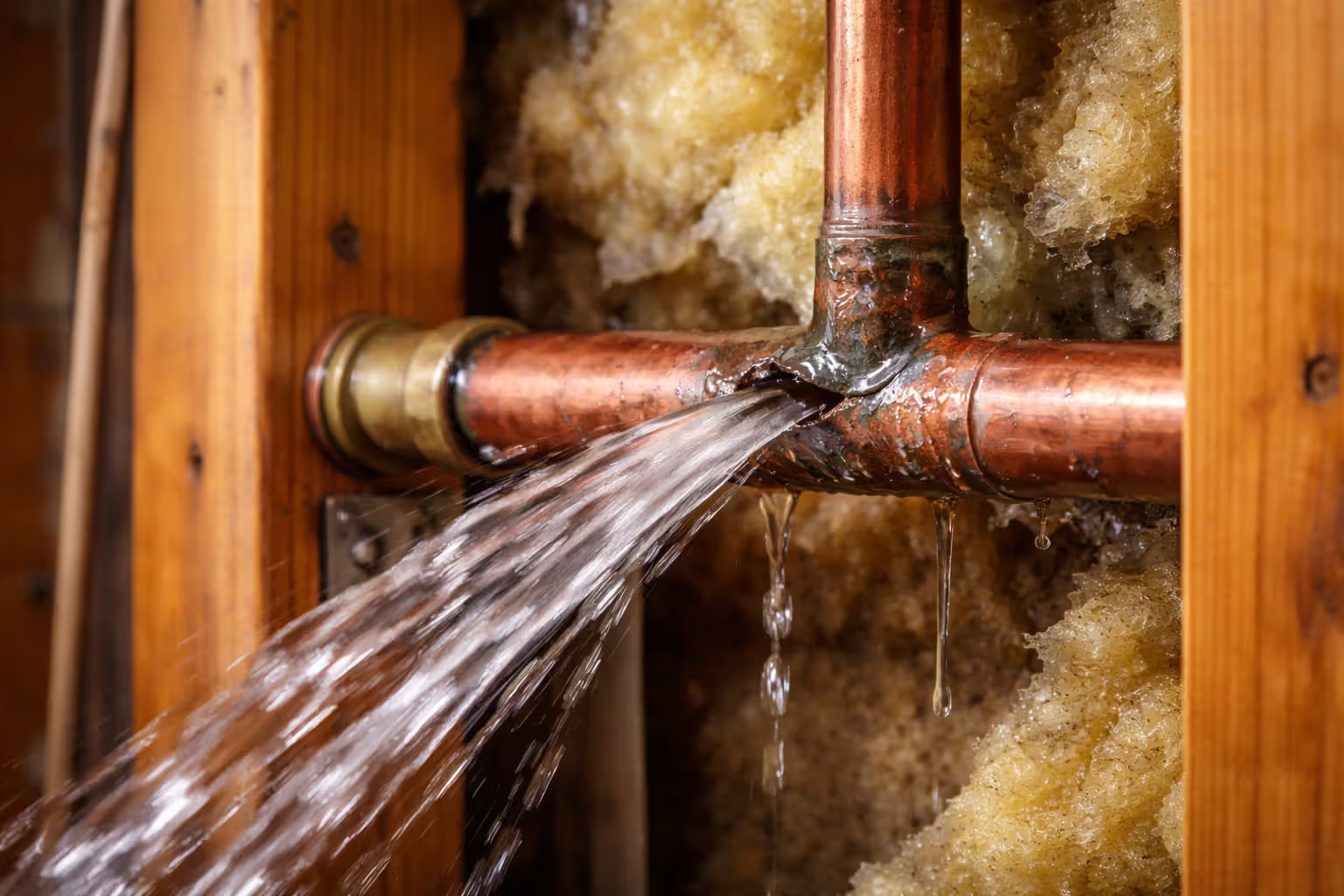
Frozen pipes that burst during a cold snap represent one of the most common covered scenarios. When temperatures plummet and a pipe in your exterior wall ruptures, flooding your living room, your policy should cover both the water damage and the cost to repair the pipe itself.
The key requirement: you must have maintained reasonable heat in your home. If you left for a winter vacation and turned off your heating system entirely, insurers may deny your claim for neglect. Most policies require maintaining a minimum temperature of 55°F when your home is vacant during cold weather.
Similarly, when a pipe connection fails due to normal wear or manufacturing defect, causing water to spray into your home, coverage typically applies. A corroded pipe that suddenly breaks differs from a pipe that's been slowly leaking—suddenness matters.
Author: Ethan Caldwell;
Source: sixth-fleet.com
Appliance Malfunctions and Overflow
Water damage coverage homeowners insurance policies extend to appliance failures when they occur suddenly. Your washing machine's supply hose ruptures mid-cycle, releasing 40 gallons onto your laundry room floor and seeping into adjacent rooms. Your water heater's tank fails catastrophically, flooding your utility closet. These accidents generally qualify for coverage.
The same applies to overflow situations. Your dishwasher malfunctions and doesn't shut off properly, overflowing onto your kitchen floor. Your toilet's internal mechanism fails, causing continuous running that overflows the bowl. These sudden events meet the criteria for covered water damage.
One common pitfall: if you knew about a problem and delayed repairs, coverage becomes questionable. A washing machine that's been leaking small amounts for weeks before a major failure might trigger a denial based on neglect.
Roof Leaks from Storm Damage
When wind, hail, or falling trees damage your roof during a storm, allowing water to enter your home, homeowners insurance typically covers both the roof repair and interior water damage. A severe thunderstorm tears off shingles, and rain pours into your attic, damaging insulation, drywall, and belongings stored below—this scenario falls squarely within standard coverage.
The distinction here involves maintenance history. A 25-year-old roof that's been deteriorating gradually, finally allowing water penetration during a moderate rain, likely won't be covered. The storm must cause the damage, not simply reveal existing problems.
After a covered storm, document everything immediately. Take photos of exterior damage, interior water intrusion, and affected belongings. The connection between the weather event and the damage strengthens your claim.
Accidental Discharge from HVAC Systems
Your air conditioning unit's condensate drain line clogs suddenly, causing water to back up and overflow into your home. Your furnace's humidifier malfunctions, releasing water into your ductwork and ceiling. These accidental discharges from heating, ventilation, and air conditioning systems generally qualify as covered events.
However, if your HVAC contractor warned you about a developing problem during your last service call and you ignored it, coverage becomes uncertain. Regular maintenance matters not just for equipment longevity but also for insurance protection.
| Scenario | Usually Covered? | Key Conditions/Limits |
| Burst frozen pipe | Yes | Must maintain adequate heat when home is vacant |
| Slow leak behind wall (months/years) | No | Considered gradual damage and maintenance issue |
| Roof leak from storm damage | Yes | Roof must be reasonably maintained; storm must cause damage |
| Washing machine hose rupture | Yes | Must be sudden failure, not delayed repair after known issue |
| Foundation seepage | No | Considered structural/maintenance issue, not sudden event |
| Sump pump failure (standard policy) | No | Requires separate water backup endorsement |
| Toilet overflow from internal failure | Yes | Must be sudden malfunction, not clog from misuse |
| Dishwasher overflow from malfunction | Yes | Appliance failure must be accidental and sudden |
| Groundwater seepage through basement | No | Excluded as gradual damage; flood policy doesn't cover either |
| Ice dam roof leak | Maybe | Depends on policy language and maintenance history |
Water Damage Exclusions: What Homeowners Insurance Won't Pay For
Understanding what insurance coverage water damage homeowners property excludes prevents false expectations during claims. These exclusions exist because insurers view them as predictable, preventable, or requiring specialized coverage.
Flood Damage Requires Separate Coverage
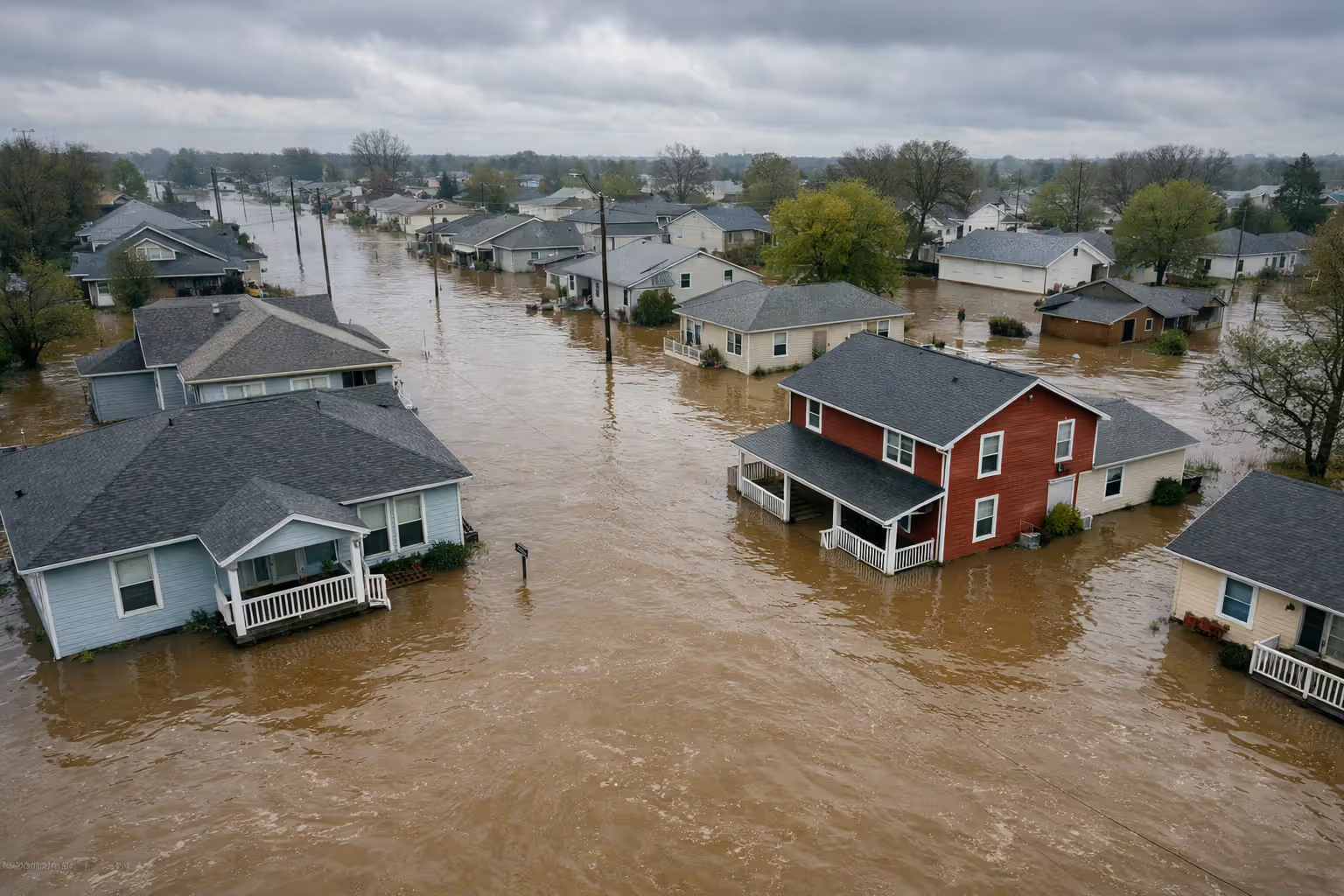
The most significant exclusion confuses many homeowners: flood damage requires a separate flood insurance policy. Standard homeowners insurance explicitly excludes flooding, defined as water that rises from the ground and enters your home.
A river overflows its banks and floods your neighborhood. Heavy rain overwhelms storm drains, sending water flowing across the ground into your basement. A nearby retention pond overflows onto your property. These scenarios all fall under flood definitions, not covered by homeowners insurance.
The distinction matters: water entering from above (like through a storm-damaged roof) is typically covered; water rising from below is not. This creates odd situations where the same storm might cause both covered and excluded damage. Wind tears off your roof, allowing rain to damage your second floor (covered), while rising floodwater damages your basement (not covered).
Flood insurance comes from the National Flood Insurance Program (NFIP) or private insurers. Even homes outside high-risk flood zones should consider coverage—FEMA reports that 25% of flood claims come from moderate-to-low-risk areas.
Author: Ethan Caldwell;
Source: sixth-fleet.com
Maintenance-Related Issues and Gradual Leaks
Homeowners insurance water damage rules consistently exclude damage from lack of maintenance or gradual deterioration. A slow leak under your sink that you ignored for six months, eventually rotting the cabinet and subfloor, won't be covered. The insurer will argue you should have discovered and repaired it earlier.
Similarly, an aging roof that's been slowly allowing moisture penetration, creating attic mold and insulation damage, falls outside coverage. Insurers expect homeowners to perform reasonable maintenance and address problems before they worsen.
This exclusion creates gray areas. What if you genuinely didn't know about the leak because it was hidden behind a wall? Insurers evaluate whether a reasonable homeowner should have noticed warning signs—water stains, musty odors, unexplained water bill increases, or visible deterioration.
The takeaway: inspect your home regularly, especially in areas prone to water issues. Check under sinks, around toilets, in basements, and attics. Address minor issues immediately rather than letting them escalate.
Sewer Backup Without Endorsement
When sewage backs up through your drains into your home, standard homeowners policies typically don't cover the damage or cleanup. This exclusion applies whether the backup stems from a clog in your home's lateral line or problems in the municipal sewer system.
Sewer backups create particularly nasty situations—contaminated water damages floors, walls, and belongings while requiring professional remediation. Without proper coverage, you're facing thousands of dollars in out-of-pocket costs.
Most insurers offer water backup coverage as an add-on endorsement, typically costing $40-$250 annually depending on your location and coverage limits. This endorsement extends protection to sewer backup, sump pump overflow, and drain backups—gaps in standard policies.
How Insurance Companies Determine Water Damage Claims
Insurance coverage water damage homeowners property disputes often arise during the claims investigation process. Understanding how insurers evaluate claims helps you prepare proper documentation and avoid common denial triggers.
When you report water damage, your insurer assigns a claims adjuster to investigate. The adjuster visits your property to assess damage extent, determine the water source, and evaluate whether coverage applies. They're looking for evidence of suddenness versus gradual damage, proper home maintenance, and whether the peril falls within policy terms.
Documentation becomes crucial. The adjuster photographs damage, measures affected areas, and may use moisture meters to determine how far water penetrated. They'll ask detailed questions: When did you first notice the problem? Did you hear or see anything unusual? When was the last time you inspected this area? Have you had similar issues before?
Your answers matter significantly. Inconsistencies or admissions that you noticed warning signs weeks earlier can lead to denials. Be honest, but be precise about timelines and circumstances.
The adjuster also reviews your maintenance history. They might request receipts for recent plumbing work, roof inspections, or HVAC servicing. Homes with documented regular maintenance face fewer coverage disputes than those with no maintenance records.
The number one reason we reduce or deny water damage claims is evidence that the homeowner knew about a problem and didn't address it promptly. We're not expecting perfection, but we do expect reasonable care. If someone tells me they've been meaning to fix a leaky pipe for three months, I can't in good conscience approve a claim for resulting damage. Insurance covers accidents, not deferred maintenance
— Sarah Martinez
Common denial reasons include:
- Evidence of long-term leaking or gradual damage
- Lack of reasonable home maintenance
- Failure to maintain adequate heat during cold weather
- Damage from excluded perils like flooding or earth movement
- Policy exclusions for specific water sources
- Delayed claim reporting that prevented damage mitigation
If your claim is denied or you disagree with the settlement offer, you can appeal. Request a detailed explanation of the denial in writing, review your policy language carefully, and consider hiring a public adjuster or attorney if significant money is at stake.
Add-Ons and Endorsements That Expand Water Damage Protection
Water leak coverage homeowners insurance policies can be enhanced through various endorsements that address gaps in standard coverage. These add-ons typically cost between $50 and $300 annually but can save thousands when specific water damage occurs.
Water Backup Coverage: This endorsement covers damage from water or sewage that backs up through sewers or drains, or from sump pump overflow or failure. Coverage limits typically range from $5,000 to $25,000, with $10,000 being most common. This endorsement makes sense for anyone with basement plumbing, homes in areas with aging sewer systems, or properties that rely on sump pumps.
Equipment Breakdown Coverage: Also called mechanical breakdown coverage, this endorsement extends protection to sudden mechanical or electrical failure of home systems and appliances. While standard policies might cover water damage from a failed water heater, they typically won't pay to replace the water heater itself unless you have this coverage. The endorsement covers the equipment and resulting damage, filling an important gap.
Service Line Coverage: This newer endorsement covers repair or replacement of underground service lines—water, sewer, electrical, or gas—running from your home to the street. A tree root cracks your water line, causing it to leak underground and spike your water bill. Standard homeowners insurance won't cover this, but service line coverage will. Annual costs run $25-$75 for coverage limits of $5,000-$10,000.
Increased Personal Property Limits: Standard policies cap personal property coverage at 50-70% of dwelling coverage, with sub-limits on categories like electronics or jewelry. If water damage affects valuable belongings, increased limits ensure adequate reimbursement. Consider this if you own expensive furniture, electronics, or collections.
Replacement Cost vs. Actual Cash Value: Standard policies might cover personal property at actual cash value (replacement cost minus depreciation). Upgrading to replacement cost coverage for contents costs more but pays what you'd spend to buy new items rather than their depreciated value. After significant water damage destroys your five-year-old furniture, replacement cost coverage provides substantially more money.
Evaluate these endorsements based on your specific risks. Homes with finished basements, older plumbing systems, or in areas with high water tables benefit most from expanded coverage.

Author: Ethan Caldwell;
Source: sixth-fleet.com
Steps to Take When Water Damage Occurs
How you respond to water damage affects both the extent of destruction and your insurance claim's success. Follow these steps immediately:
Stop the Water Source: If possible, shut off water at the source—close the supply valve to a leaking appliance, turn off your main water line, or place a bucket under a leak. Don't attempt repairs that risk your safety, like climbing on a damaged roof or entering a flooded basement with electrical hazards.
Document Everything Immediately: Before touching anything, photograph and video the damage extensively. Capture the water source, standing water, damaged walls and floors, and affected belongings. Take wide shots showing the overall scene and close-ups of specific damage. This documentation proves the damage extent and timing.
Notify Your Insurance Company Promptly: Most policies require "prompt" or "immediate" notification of damage. Call your insurer's claims line within 24 hours if possible. Delayed reporting can complicate claims or even lead to denials. Get a claim number and the name of your assigned adjuster.
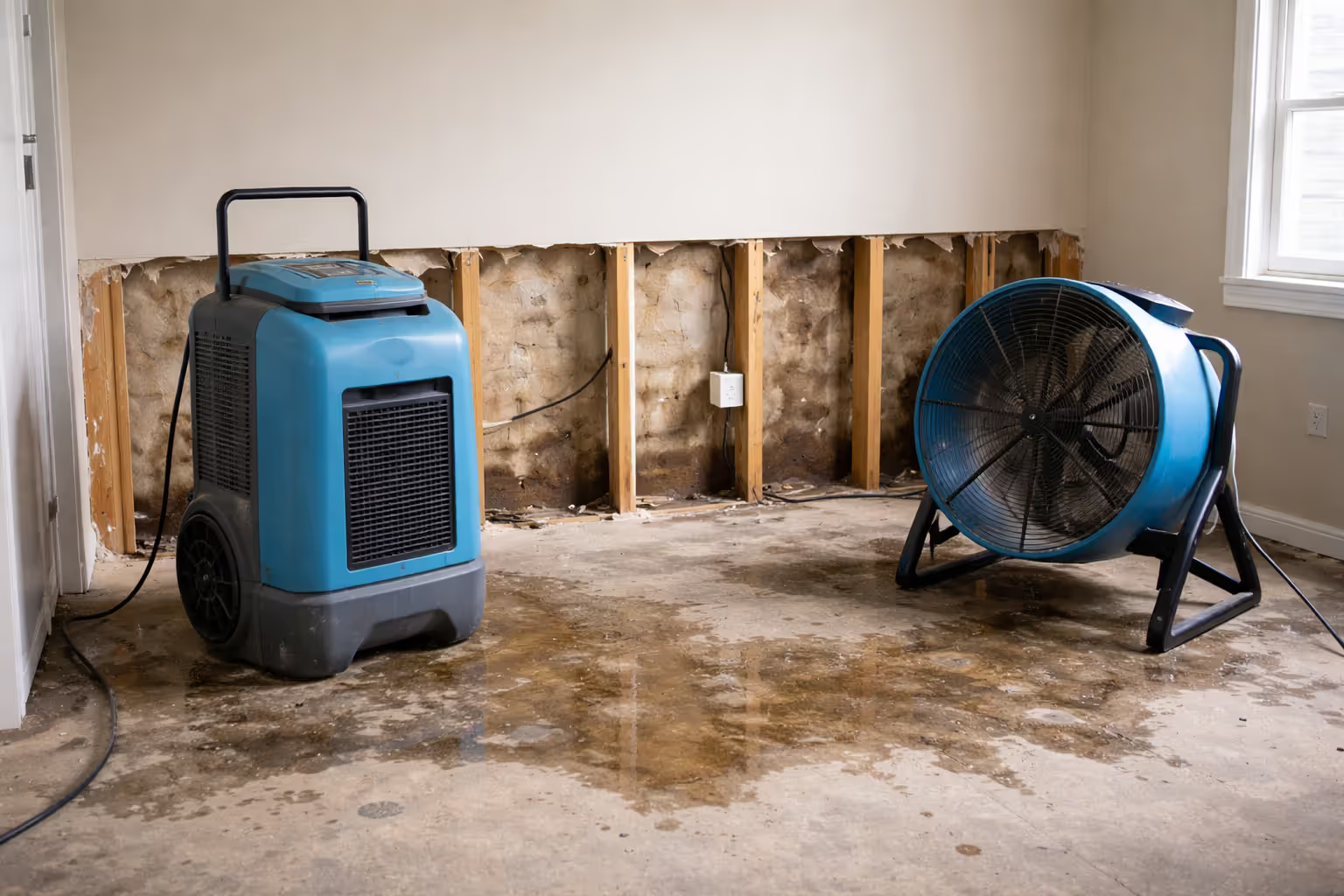
Mitigate Further Damage: Your policy requires you to prevent additional damage when possible. Remove standing water with a wet vacuum or pump. Move salvageable belongings to dry areas. Place tarps over roof leaks. Run fans and dehumidifiers to start drying. Save receipts for any mitigation expenses—insurers typically reimburse reasonable costs.
Author: Ethan Caldwell;
Source: sixth-fleet.com
Don't Discard Damaged Items Yet: Keep damaged items until the adjuster inspects them, unless they pose health hazards like sewage contamination. Your adjuster needs to verify damage. If you must discard items for safety reasons, photograph them thoroughly first.
Keep Detailed Records: Maintain a claim file with all documentation—photos, videos, receipts, repair estimates, adjuster reports, and correspondence with your insurer. Note dates and times of phone calls and the names of everyone you speak with. This organization proves invaluable if disputes arise.
Get Multiple Repair Estimates: Don't rely solely on your insurer's estimate. Obtain quotes from licensed contractors for repairs. If your insurer's estimate seems low, your contractor's detailed bid provides negotiating leverage.
Understand Temporary Living Expenses: If water damage makes your home uninhabitable, your policy's "loss of use" or "additional living expenses" coverage pays for temporary housing, meals, and other costs exceeding your normal expenses. Keep receipts for everything and submit them to your adjuster.
Consider Professional Help for Large Claims: For damage exceeding $10,000-$15,000, consider hiring a public adjuster who works for you, not the insurance company. They typically charge 5-15% of the settlement but often secure significantly higher payouts, especially for complex claims.
Frequently Asked Questions About Homeowners Insurance and Water Damage
Understanding Your Coverage Before Disaster Strikes
Water damage creates stressful, expensive situations that test both your home's resilience and your insurance policy's limits. The difference between a fully covered claim and a devastating denial often comes down to understanding your policy's specific terms, maintaining your home properly, and responding correctly when damage occurs.
Review your homeowners insurance policy now, before water damage happens. Identify your coverage limits, deductible amount, and any exclusions specific to your policy. Many homeowners discover gaps in coverage only after filing a claim—when it's too late to add protection.
Consider whether endorsements like water backup coverage, equipment breakdown protection, or service line coverage make sense for your situation. A few hundred dollars annually in additional premiums can prevent thousands in out-of-pocket costs.
Most importantly, maintain your home consistently and document that maintenance. Regular inspections, prompt repairs of minor issues, and records of professional servicing create the foundation for successful claims when unexpected water damage occurs. Insurance rewards homeowners who demonstrate reasonable care while providing a safety net for truly accidental events beyond your control.