Homeowner reviewing insurance settlement documents and contractor estimates at a dining table
How to Negotiate a Home Insurance Claim Settlement: A Step-by-Step Guide for Homeowners

Content
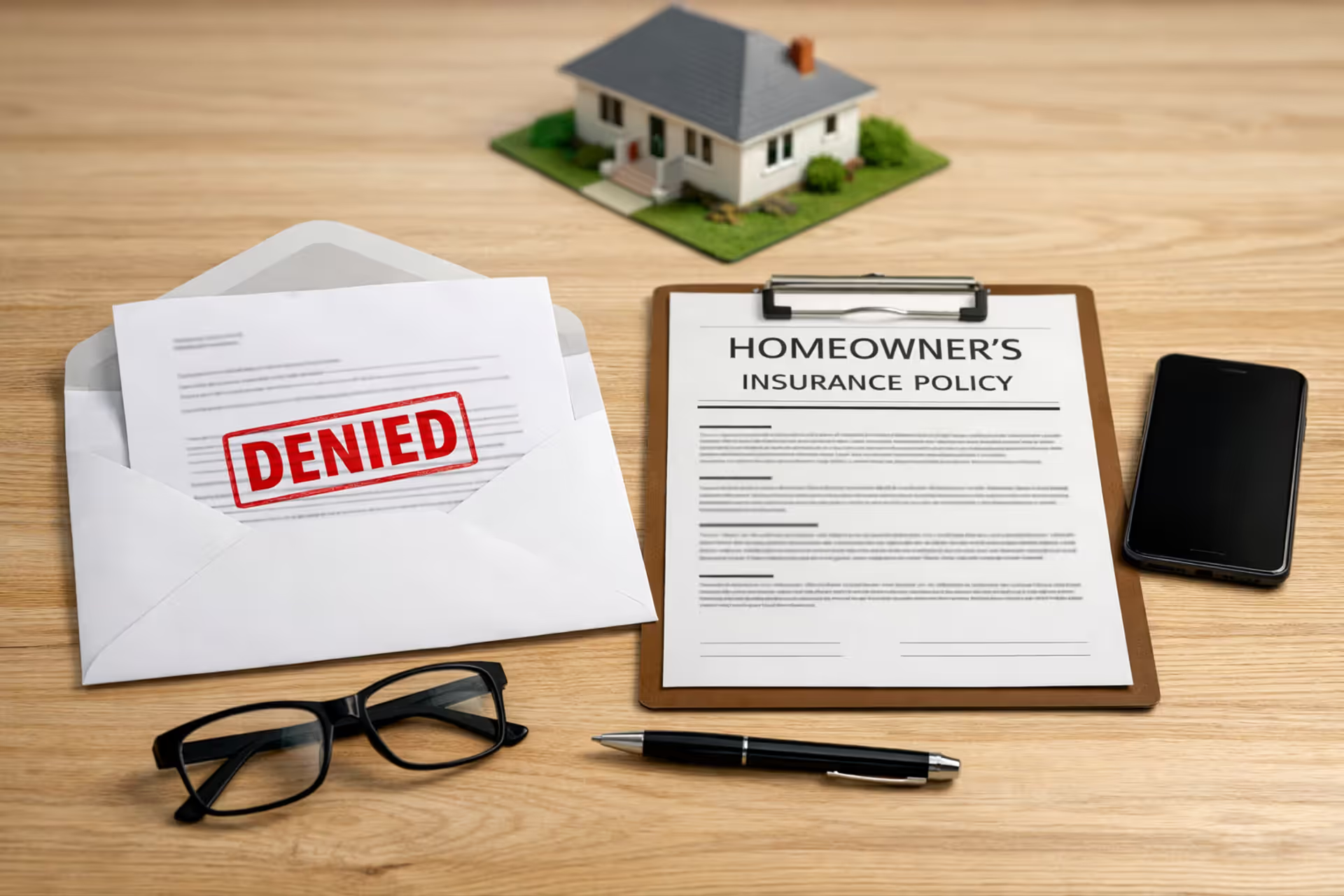
Receiving a lowball settlement offer after filing a home insurance claim can feel like a second disaster. You've already dealt with property damage—now you're facing an insurance company that seems determined to pay as little as possible. The good news? That initial offer is rarely final, and you have more negotiating power than you might think.
Most homeowners accept the first settlement they receive, leaving thousands of dollars on the table. Insurance adjusters work for the company, not for you, and their job includes minimizing payouts while staying within policy limits. Understanding this dynamic is the first step toward negotiating a fair settlement that actually covers your losses.
Understanding Your Policy Before Negotiating
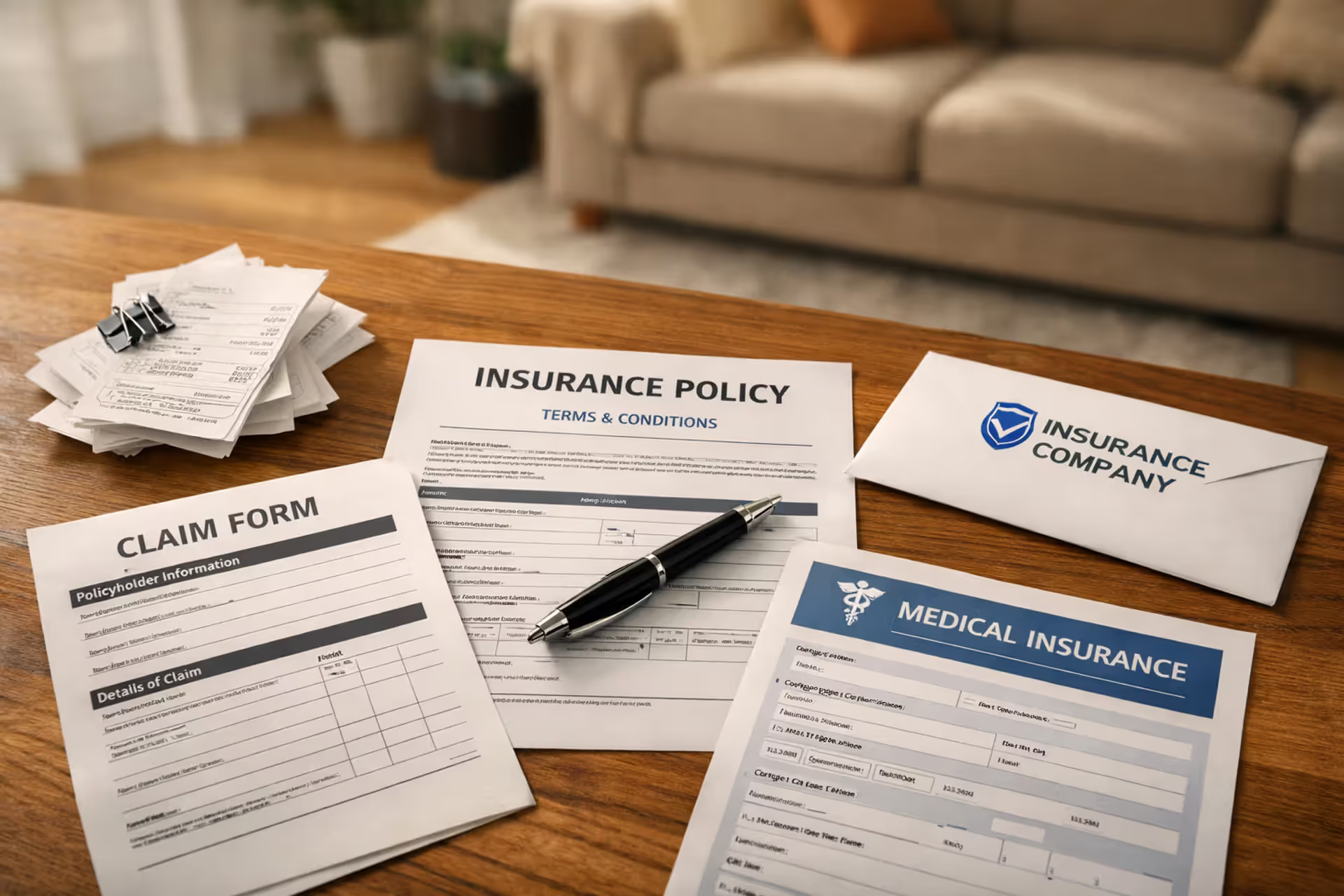
You cannot negotiate effectively without knowing what your policy actually promises. Too many homeowners wait until after damage occurs to read the fine print, putting them at a severe disadvantage when facing an experienced adjuster.
Coverage Limits and Deductibles That Affect Your Settlement
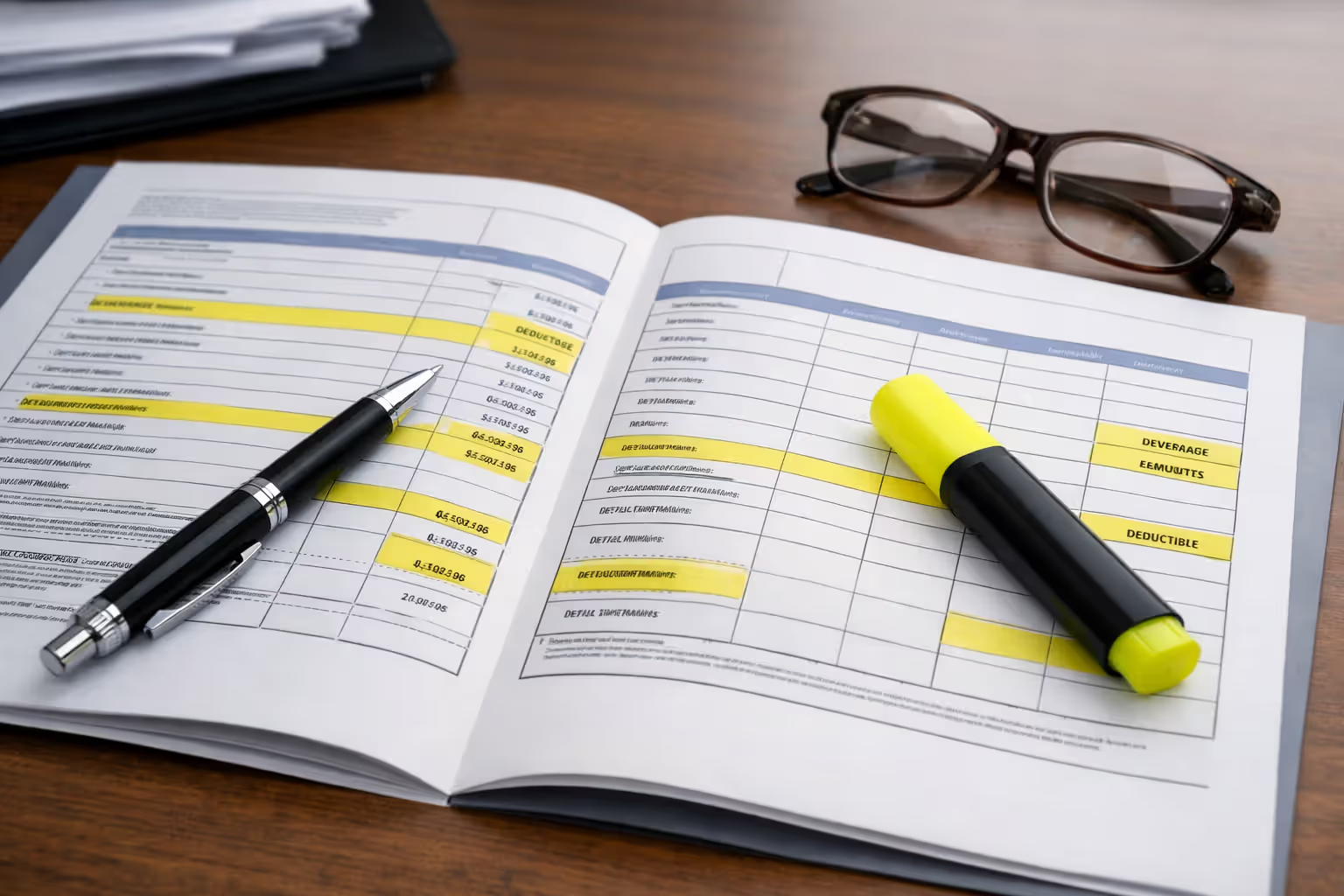
Your policy declarations page lists specific dollar limits for different types of coverage. Dwelling coverage protects your home's structure, while personal property coverage handles belongings. These limits represent the maximum your insurer will pay, regardless of actual damage costs.
Your deductible gets subtracted from any settlement. If you have $50,000 in covered damage and a $2,500 deductible, the maximum settlement is $47,500. Some policies include separate, higher deductibles for specific perils like wind, hail, or hurricanes—sometimes calculated as a percentage of your dwelling coverage rather than a flat dollar amount.
Many policies also include sub-limits for specific categories. Jewelry might be capped at $1,500 total, electronics at $2,500, and cash at $200. If your loss exceeds these sub-limits, you'll need to prove you purchased additional coverage or accept the restricted payout. Knowing these numbers before negotiating prevents wasting time demanding amounts your policy never covered.
Author: Samantha Kessler;
Source: sixth-fleet.com
Replacement Cost vs. Actual Cash Value Policies
This distinction dramatically affects your settlement value homeowners insurance claim. Replacement cost coverage pays to rebuild or replace damaged property at current prices without deducting for depreciation. Actual cash value (ACV) policies subtract depreciation based on age and condition, often resulting in settlements 40-60% lower than replacement cost.
Here's the catch: even with replacement cost coverage, insurers typically issue an initial ACV payment, then reimburse the depreciation amount after you complete repairs and submit receipts. This two-payment structure confuses many homeowners into thinking their settlement is final when they've only received the first installment.
Some policies use a hybrid approach, offering replacement cost for the dwelling but ACV for personal property, or vice versa. Roof damage settlements often trigger disputes because insurers want to pay ACV for an aging roof while homeowners expect full replacement cost. Your ability to negotiate depends entirely on which coverage type your policy provides for each damaged item.
When to Start Negotiating Your Homeowners Claim Settlement
Author: Samantha Kessler;
Source: sixth-fleet.com
Timing matters when negotiating homeowners claim settlement. Start too early, and you lack the documentation needed to build your case. Wait too long, and you risk missing deadlines that eliminate your negotiating leverage.
The best time to begin negotiation is immediately after receiving the initial settlement offer—but only if you've thoroughly documented your damage. If the adjuster's estimate seems low, don't sign anything or cash any checks marked "final payment." Once you accept a settlement as final, reopening negotiations becomes extremely difficult.
Watch for these signs that an initial offer is too low: the estimate includes line items marked "non-covered" without clear policy language supporting the denial; the adjuster missed entire rooms or areas of damage; repair estimates come in significantly higher than the settlement; or the offer only covers ACV when you have replacement cost coverage.
State laws impose deadlines on how long insurers have to respond to claims and issue payments, but homeowners also face limitations. Most policies require you to file suit within one to two years of the loss date if you cannot resolve disputes through negotiation. Some states extend this period, while others shorten it. Missing this statute of limitations deadline means losing all negotiating power and legal recourse.
Don't rush into negotiation before you've identified all damage. Hidden problems like mold behind walls, foundation cracks, or electrical issues may not appear immediately. Most policies allow you to supplement your claim with additional damage discovered later, but only if you haven't signed a final release.
The biggest mistake I see homeowners make is treating the insurance adjuster’s estimate as a final verdict rather than an opening position. Every settlement offer is a starting point for negotiation. Arm yourself with independent documentation, understand your policy inside and out, and never let urgency push you into accepting less than what your claim is truly worth
— Robert C. Hartwig
7 Proven Strategies to Negotiate With Your Insurance Adjuster
Successful claim settlement strategies homeowners insurance rely on preparation, documentation, and persistence. These seven approaches give you the best chance of increasing your settlement.
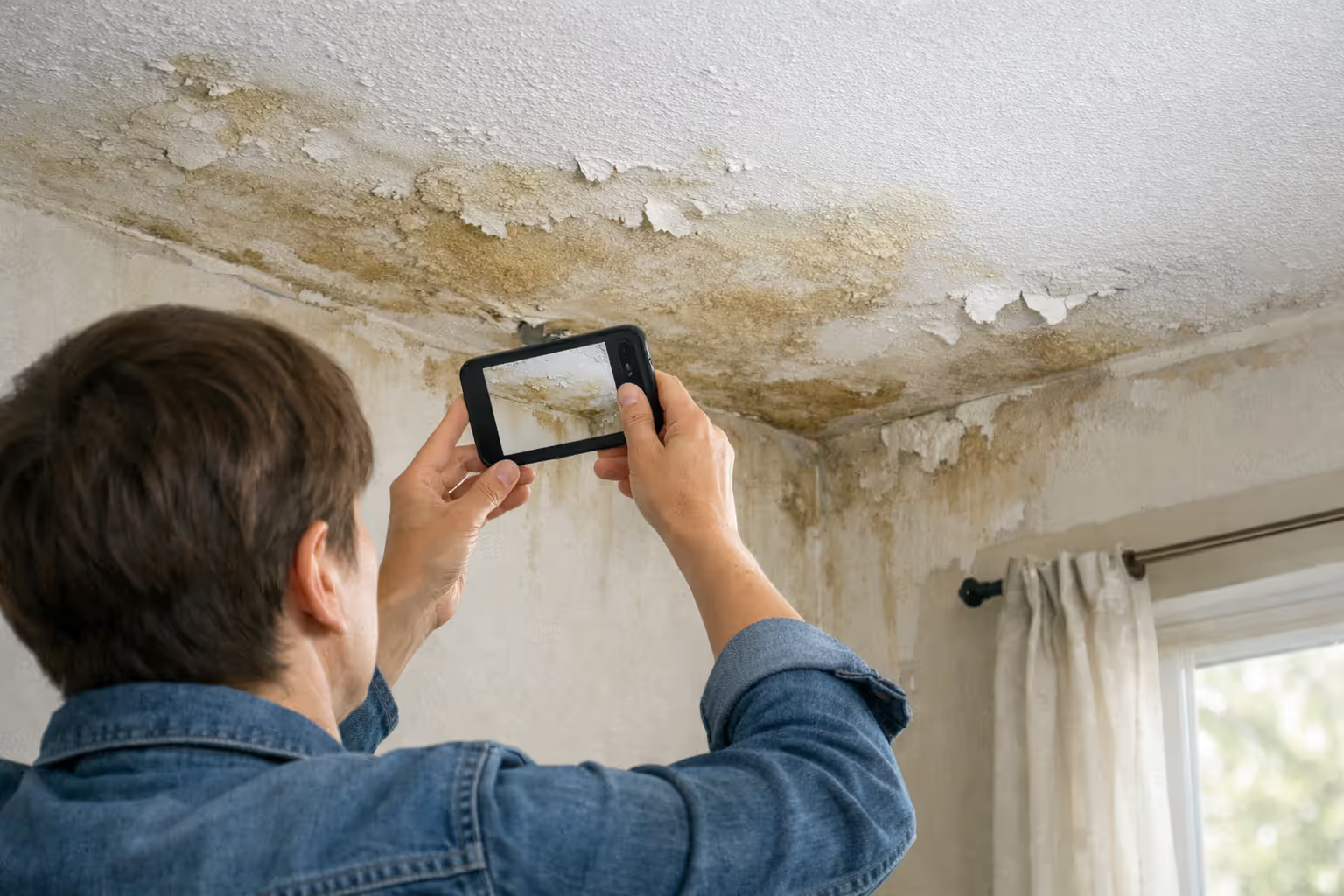
1. Create a comprehensive damage inventory with visual evidence. Take photos and videos of every damaged item and area before cleaning up or making repairs. Capture multiple angles, close-ups showing specific damage, and wide shots establishing context. For personal property, photograph brand labels, model numbers, and purchase receipts when possible. This documentation counters adjuster claims that damage was pre-existing or less severe than you reported.
2. Obtain independent contractor estimates. The adjuster's estimate represents what the insurance company wants to pay, not necessarily what repairs actually cost. Get at least two detailed written estimates from licensed contractors who will perform the work. Make sure estimates include the same scope of work the adjuster covered, plus any items the adjuster missed. Significant discrepancies between contractor estimates and the adjuster's numbers provide concrete negotiating leverage.
3. Hire a licensed contractor to write a detailed scope of damage. Some contractors offer this service for a few hundred dollars even if you don't hire them for repairs. A professional scope identifies damage the adjuster overlooked and explains why certain repairs are necessary. This document speaks the adjuster's technical language better than homeowner complaints about lowball offers.
4. Maintain written communication records. Follow up every phone conversation with an email summarizing what was discussed and agreed upon. This creates a paper trail proving what the adjuster promised. When negotiating, send formal letters rather than relying on phone calls. Written communication forces clearer responses and provides evidence if you later need to file a complaint with your state insurance department or pursue legal action.
"Most homeowners lose negotiating leverage by failing to document conversations and agreements. Insurance companies keep detailed records of every interaction—you should too." — Michael Patterson, Licensed Public Adjuster, National Association of Public Insurance Adjusters
5. Challenge depreciation calculations with market research. When insurers apply depreciation, they often use generic formulas that don't reflect actual market conditions. If your adjuster depreciated your roof by 50% because it's 10 years old, but comparable roofs in your area regularly last 25-30 years, you have grounds to negotiate. Provide documentation showing the expected lifespan and current market value of depreciated items.
6. Request a re-inspection for missed or underestimated damage. If contractor estimates reveal damage the adjuster missed, formally request a re-inspection in writing. List specific items or areas that need review. The adjuster may send a different inspector or return themselves. Either way, having contractors present during re-inspection helps ensure nothing gets overlooked again.
7. Escalate to a supervisor or manager when negotiations stall. Adjusters have limited authority to increase settlements beyond certain thresholds. If your adjuster won't budge despite strong evidence supporting a higher payout, request to speak with their supervisor. Frame this as seeking a second opinion rather than filing a complaint. Supervisors often have more flexibility and experience evaluating complex claims.
Remember that adjuster negotiation homeowners claim requires patience. Adjusters handle dozens of claims simultaneously and may take days or weeks to respond to your requests. Follow up regularly without being aggressive, and keep detailed records of every attempt to contact them.

Author: Samantha Kessler;
Source: sixth-fleet.com
Calculating the True Settlement Value of Your Homeowners Insurance Claim
Understanding what drives settlement values helps you negotiate more effectively. Multiple factors interact to determine how much insurers ultimately pay.
Factors That Impact Your Home Insurance Claim Settlement Value
| Factors That Increase Settlement Value | Factors That Decrease Settlement Value |
| Professional contractor estimates with detailed line items | Depreciation based on age and condition of damaged property |
| Photographic/video documentation of all damage | Policy sub-limits for specific property categories |
| Evidence of code upgrades required by law for repairs | Wear and tear exclusions in policy language |
| Additional living expenses during repairs (if covered) | Betterment clauses when repairs improve property beyond original state |
| Hidden damage discovered during repairs (mold, structural) | Deductible amounts subtracted from total loss |
| Market rate increases for materials and labor since policy purchase | Policy exclusions for specific perils or types of damage |
| Independent appraisal supporting higher replacement costs | Actual cash value coverage instead of replacement cost |
| Damage to code-compliant features that must be rebuilt to current codes | Delayed claim reporting suggesting damage occurred before policy period |
The settlement value homeowners insurance claim calculation starts with the adjuster's estimate of repair or replacement costs. From there, the insurer applies policy limits, deductibles, depreciation (for ACV policies), and any applicable exclusions or sub-limits.
Homeowners often overlook legitimate expenses that increase settlement value. If your policy includes "ordinance or law" coverage, you can recover costs for bringing damaged portions of your home up to current building codes, even if the original structure was grandfathered under old codes. Additional living expenses (ALE) coverage pays for hotel stays, restaurant meals, and other costs when your home is uninhabitable during repairs.
Contractors frequently discover hidden damage once they begin work. Most policies allow supplemental claims for this newly discovered damage, but you must document it immediately and notify your insurer before proceeding with repairs. Taking photos and having the contractor write a supplemental scope of damage strengthens your case for additional payment.
Market conditions affect settlement values more than most homeowners realize. If material costs or labor rates have increased significantly since your policy was written, the adjuster's estimate using outdated pricing software may fall short of actual repair costs. Providing current market rate documentation justifies higher settlements.
Insurance is a contract of good faith, but good faith must be backed by good evidence. Homeowners who invest time in gathering professional repair estimates, documenting hidden damage, and understanding current material costs consistently recover significantly more than those who simply trust the process to work in their favor.
— Amy Bach
Common Mistakes Homeowners Make During Claim Negotiation
Even homeowners who understand their policies and document damage thoroughly can sabotage their negotiations through avoidable mistakes.
Accepting the first offer without question. Insurance companies rarely lead with their best offer. Adjusters expect negotiation and often have authority to increase initial settlements by 20-30% or more if you provide justification. Homeowners who immediately accept the first offer signal they won't push back, eliminating any chance of a higher payout.
Inadequate documentation of damage and losses. Blurry photos, incomplete inventories, and missing receipts make it easy for adjusters to deny or minimize claims. The burden of proof falls on you to demonstrate what was damaged and its value. Without solid documentation, you're negotiating from weakness regardless of what actually happened.
Missing critical deadlines. Policies impose specific timeframes for reporting claims, submitting documentation, and filing lawsuits. Missing these deadlines can void your coverage entirely or severely limit your recovery. Mark every deadline in your calendar and follow up in writing well before they arrive.
Failing to read and understand policy language. Homeowners who don't know what their policy actually covers waste time demanding payments for excluded losses. Adjusters won't educate you about coverage you didn't know you had. Read your policy thoroughly, and if the language is confusing, consult with a public adjuster or attorney before negotiating.
Making repairs before the adjuster inspects. Emergency repairs to prevent further damage are fine—in fact, your policy requires them. But completing full repairs before the adjuster documents the damage eliminates evidence supporting your claim. Take extensive photos and videos before any cleanup or repairs, and notify your insurer immediately about emergency work.
Negotiating emotionally rather than factually. Your frustration with the claims process is understandable, but adjusters respond to facts, documentation, and policy language—not anger or sob stories. Keep negotiations professional and focused on specific evidence supporting a higher settlement.

Author: Samantha Kessler;
Source: sixth-fleet.com
Signing releases without understanding them. Insurers often send settlement checks with releases stating you agree the payment is "full and final" for all damages. Signing this release closes your claim permanently, even if you later discover additional damage. Never sign a final release until you're certain all damage has been identified and fairly compensated.
When to Hire a Public Adjuster or Attorney
Most homeowners can successfully negotiate claim settlements themselves using the strategies outlined above. However, certain situations justify hiring professional help.
Public adjusters work for you, not the insurance company. They inspect your damage, document losses, prepare estimates, and negotiate with your insurer on your behalf. Public adjusters typically charge 5-15% of the final settlement, with percentages decreasing for larger claims. They're most valuable for complex claims involving extensive damage, business losses, or situations where the insurer has denied coverage or offered an unreasonably low settlement.
The cost-benefit analysis is straightforward: if a public adjuster can increase your settlement by more than their fee, hiring them makes financial sense. On a $100,000 claim where the insurer initially offered $60,000, a public adjuster charging 10% who negotiates a $90,000 settlement costs you $9,000 but nets you $21,000 more than accepting the original offer.
Red flags that suggest you need professional help include: your insurer denying coverage based on policy exclusions you believe don't apply; damage exceeding $50,000 where small percentage increases in the settlement represent substantial dollar amounts; claims involving business interruption or loss of rental income; situations where the adjuster is unresponsive or refuses to negotiate despite strong evidence; or cases where you've already tried negotiating yourself without success.
Insurance attorneys become necessary when negotiations break down completely or when you believe the insurer is acting in bad faith. Bad faith occurs when insurers unreasonably deny claims, fail to investigate properly, or refuse to pay valid claims. Attorneys typically work on contingency for insurance disputes, taking 25-40% of any recovery. Unlike public adjusters, attorneys can file lawsuits and represent you in court.
Consider an attorney when your insurer has denied your claim entirely despite clear coverage; refuses to respond to communications or negotiate in good faith; offers a settlement far below what multiple experts say your claim is worth; or misrepresents policy terms to justify a lower payout. Some states impose penalties on insurers found guilty of bad faith, potentially increasing your recovery beyond the policy limits.
The main downside of hiring professionals is cost. Even on contingency, giving up 10-40% of your settlement hurts. However, recovering 60-75% of a fair settlement beats accepting 40-50% on your own. Most public adjusters and attorneys offer free initial consultations where they evaluate your claim and estimate the potential recovery increase.

Author: Samantha Kessler;
Source: sixth-fleet.com
FAQ: Homeowners Claim Negotiation Tips
Moving Forward With Your Claim Negotiation
Negotiating a fair home insurance settlement requires patience, documentation, and understanding of how to negotiate home insurance claim settlement effectively. Most homeowners have more leverage than they realize, but that leverage only matters if you use it strategically.
Start by thoroughly understanding your policy's coverage limits, deductibles, and exclusions. Document every aspect of your damage with photos, videos, and detailed inventories. Obtain independent contractor estimates that provide concrete evidence when the adjuster's numbers fall short. Maintain written records of all communications, and don't hesitate to escalate within the insurance company when negotiations stall.
Avoid the common mistakes that undermine negotiations: accepting first offers, inadequate documentation, missed deadlines, and emotional rather than factual discussions. Know when your claim justifies hiring a public adjuster or attorney, and don't let fear of their fees prevent you from recovering what your policy actually owes.
The insurance company's first offer represents their opening position, not their final word. With proper preparation and persistence, you can negotiate a settlement that actually covers your losses and helps you rebuild after disaster strikes. Your policy is a contract, and you have every right to hold the insurer to their obligations under that contract.