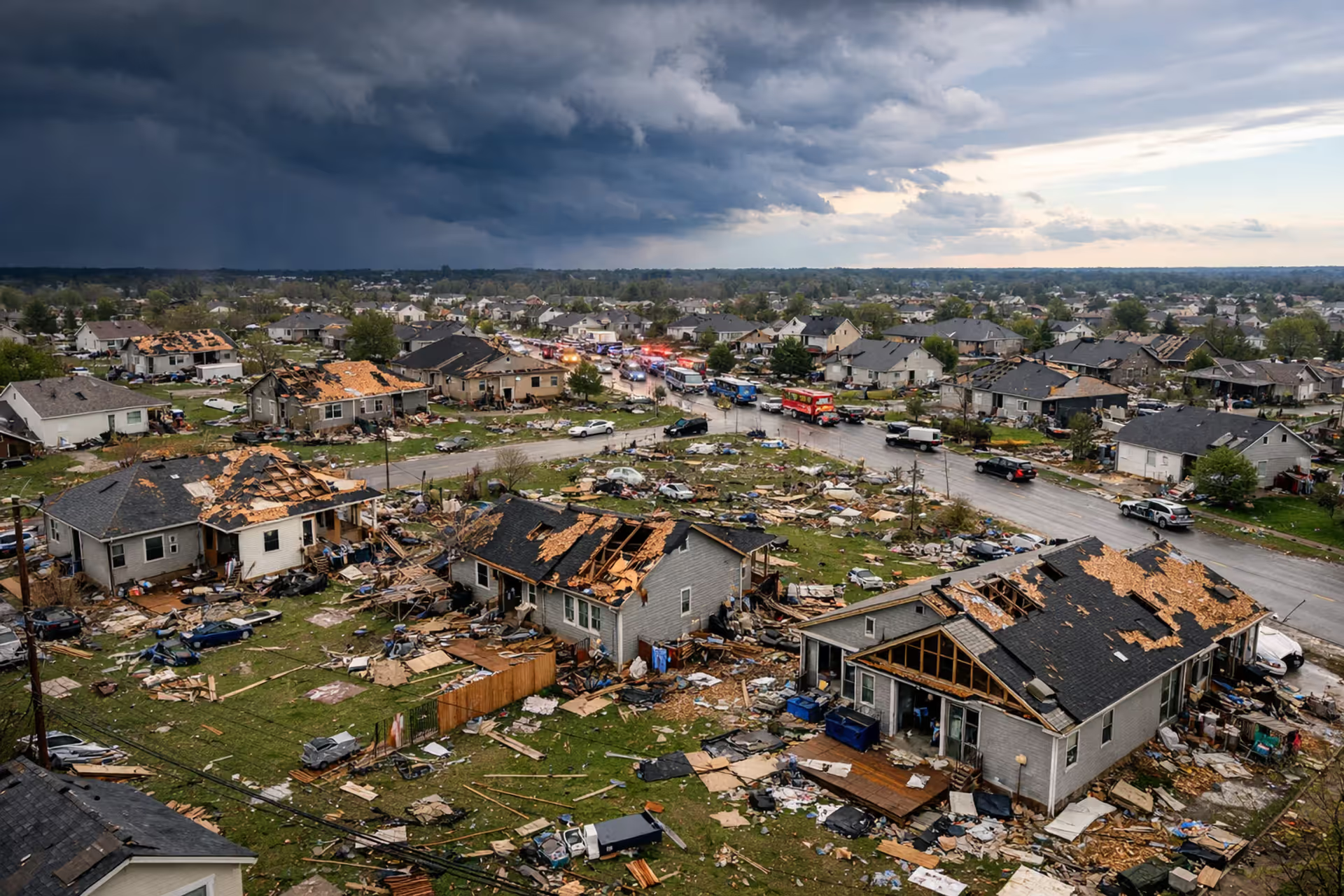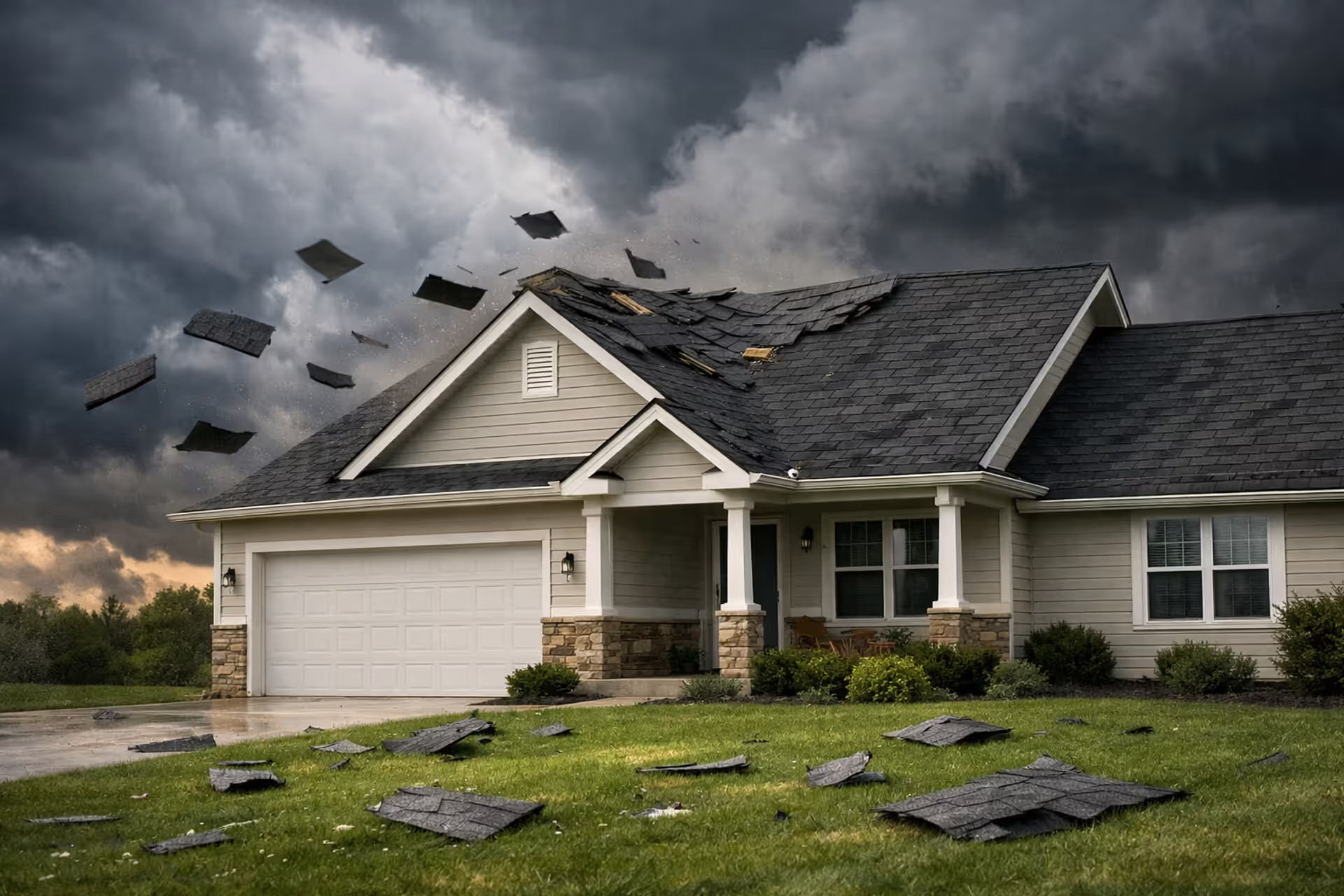
Suburban house roof with shingles being torn off by strong wind during a storm
Does Home Insurance Cover Roof Damage from Wind Guide

Content
Wind damage to your roof can happen in seconds—a sudden gust lifts shingles, a falling branch punctures the decking, or an entire section peels away during a storm. Most homeowners assume their insurance will cover it, but the reality depends on your policy type, roof condition, location, and how well you document the damage.
Standard homeowners insurance typically covers sudden wind damage to roofs, but coverage comes with conditions. Insurers distinguish between damage from a specific weather event and gradual deterioration. They also apply different rules based on your roof's age, maintenance history, and whether you live in a high-wind zone. Understanding these distinctions before filing a claim can mean the difference between full reimbursement and an unexpected denial.
How Standard Homeowners Insurance Policies Handle Wind Damage to Roofs
Most HO-3 policies—the most common homeowners insurance form in the United States—list wind as a covered peril. This means if wind directly causes damage to your roof, your policy should cover repairs or replacement up to your dwelling coverage limit. The key phrase is "direct cause." If wind tears off shingles or blows a tree onto your roof during a storm, that's typically covered under wind damage roof insurance homeowners policies.
The coverage applies regardless of wind speed in most policies. You don't need hurricane-force winds to file a claim. Even a severe thunderstorm with 50 mph gusts can cause legitimate damage that qualifies for coverage. However, insurers will investigate whether the wind actually caused new damage or simply revealed existing problems.
What Qualifies as Covered Wind Damage
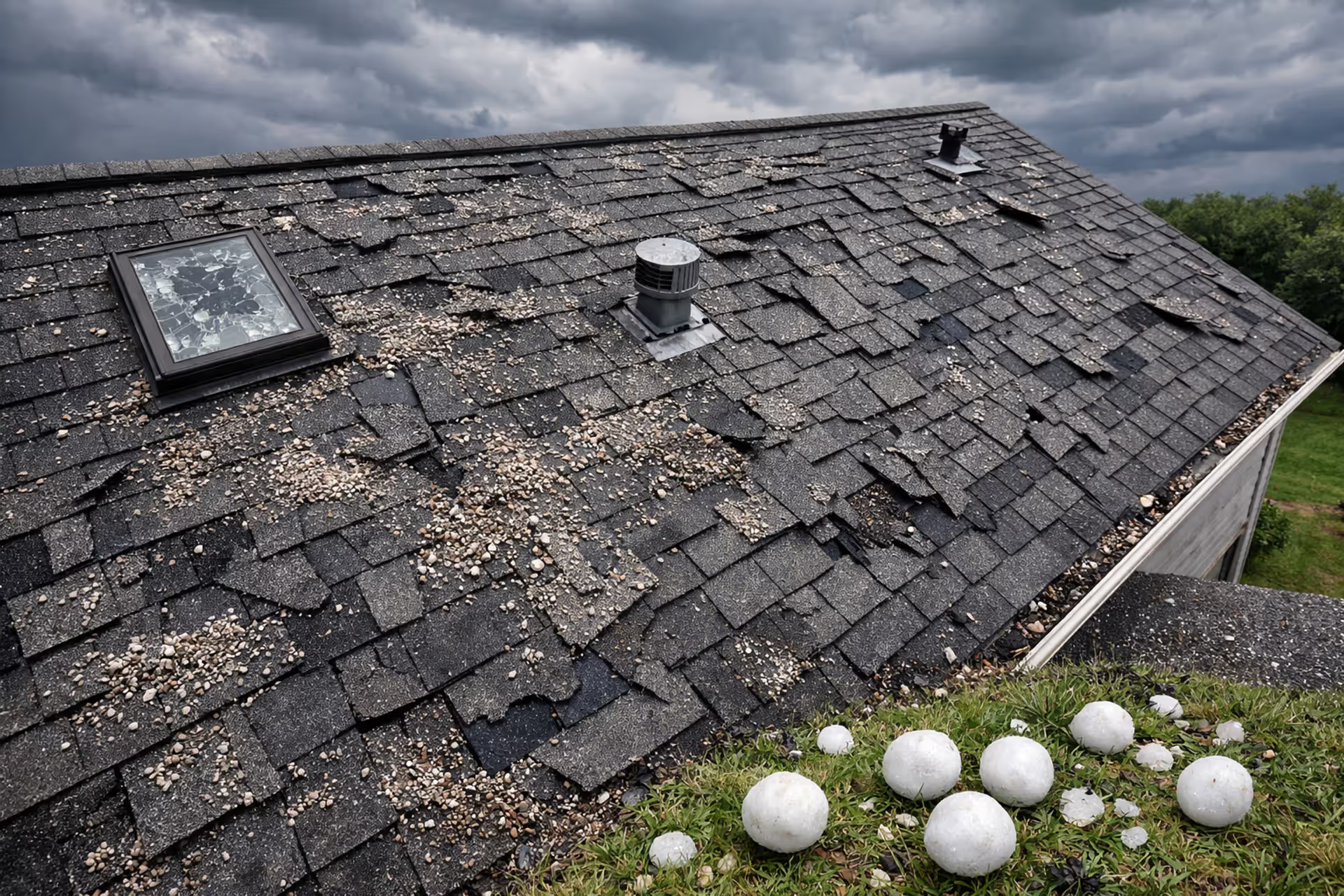
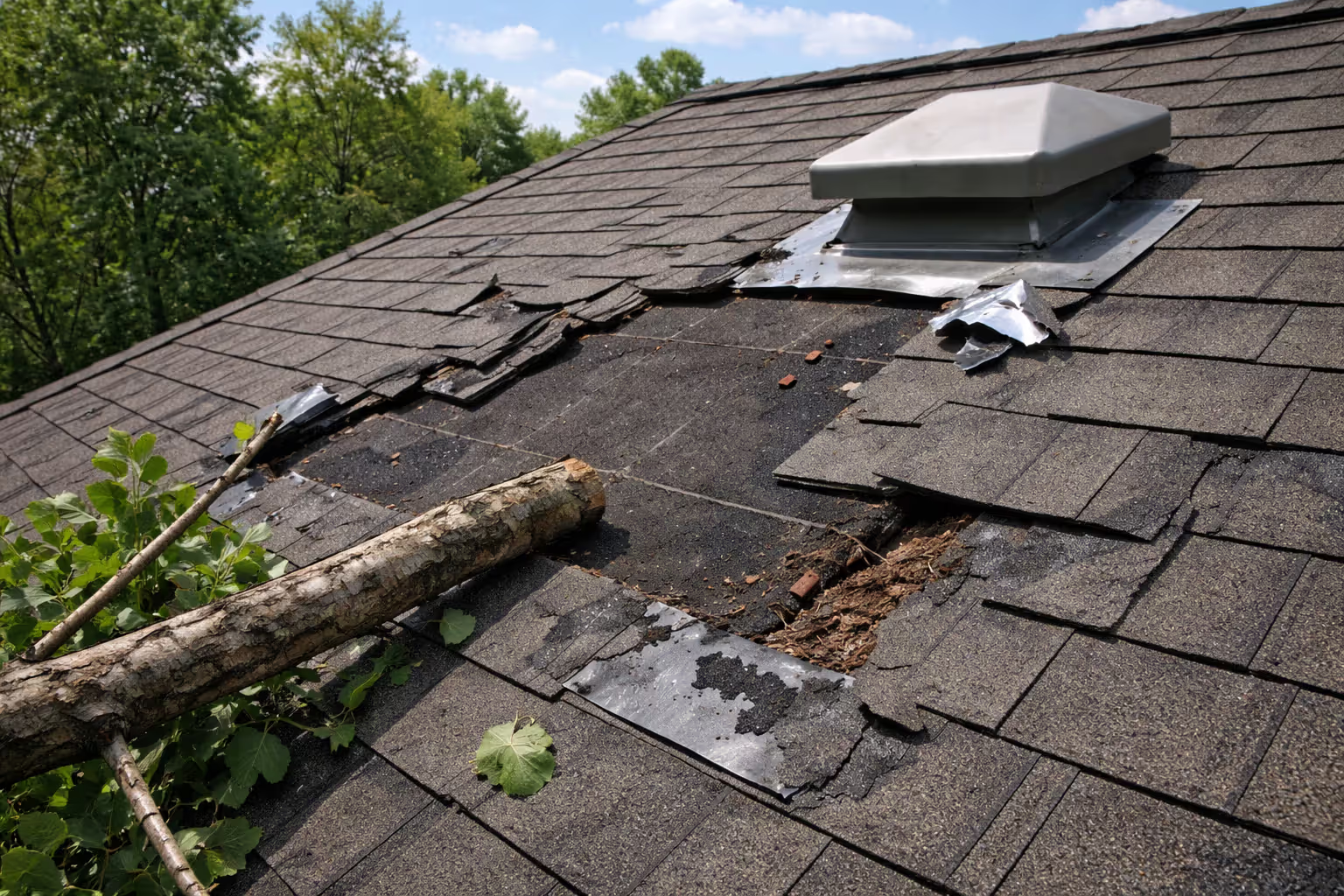
Covered wind damage includes missing or lifted shingles, torn underlayment, damaged flashing, broken roof vents, and structural damage to trusses or decking. If wind drives rain under shingles that were lifted during the storm, the resulting water damage is usually covered as part of the wind event. Debris damage—like tree branches or patio furniture thrown onto your roof—also falls under wind coverage.
The damage must be sudden and accidental. A single storm event that removes 30 shingles qualifies. Gradual loss of granules over several years does not, even if wind contributed to the wear. Insurers often send adjusters to determine whether damage patterns match a recent wind event or suggest long-term deterioration.
Author: Marcus Hollowell;
Source: sixth-fleet.com
Named Perils vs. Open Perils Coverage
Understanding your policy structure matters when filing a roof wind peril homeowners insurance policies guide claim. HO-3 policies typically provide open perils (all-risk) coverage for your dwelling, meaning anything not specifically excluded is covered. Wind is rarely excluded in these policies, making roof damage claims more straightforward.
HO-2 policies, by contrast, use named perils coverage—only damages from specifically listed causes are covered. Wind is almost always named, but you'll need to prove the damage came from wind rather than another unlisted cause. HO-1 policies, now rare, offer the most limited named perils coverage and may have more restrictions on wind claims.
Check your declarations page. If you see "special form" or "all-risk" coverage for your dwelling, you have open perils protection. This gives you broader coverage for wind damage compared to basic named perils policies.
Common Exclusions and Limitations for Roof Wind Damage Claims
Even when wind is covered, several factors can limit or eliminate your payout. Insurers build protections into policies to avoid paying for damage that results from poor maintenance or normal aging rather than covered events.
Age and Condition of Your Roof
Roof age dramatically affects roof wind damage coverage homeowners insurance policies. Many insurers apply different coverage standards once a roof reaches 10, 15, or 20 years old. Some switch from replacement cost value (RCV) to actual cash value (ACV) automatically at certain age thresholds. Others require roof inspections before renewing policies on homes with roofs older than 15 years.
An insurer might deny a claim entirely if they determine your roof was already at the end of its useful life. A 25-year-old asphalt shingle roof that loses shingles in a windstorm may be denied because the shingles were already brittle and failing. The wind becomes the final stressor rather than the cause, in the insurer's view.
Some carriers now require roof replacement as a condition of coverage renewal. If you receive such a notice and don't replace the roof, you might lose coverage entirely or face exclusions for roof damage. This practice is increasingly common in wind-prone states.
Maintenance-Related Denials
The number one reason wind damage claims get denied is lack of proper documentation showing the damage occurred during a specific wind event rather than gradual deterioration. The second most common reason is evidence of deferred maintenance—missing shingles that weren't replaced, clogged gutters causing water backup, or obvious pre-existing damage in photos.
— Jennifer Ramirez
Insurers expect reasonable maintenance. If your roof had missing shingles before the storm, they'll argue those pre-existing gaps allowed more damage than would have occurred to a well-maintained roof. They might reduce your payout proportionally or deny the claim if maintenance failures were the primary cause.
Cosmetic damage presents another gray area. If wind damages shingles but doesn't compromise the roof's function, some insurers classify it as cosmetic and deny coverage. This practice varies by state—some prohibit cosmetic-only denials while others allow them. Texas and Colorado have specific laws addressing cosmetic damage coverage for hail and wind.
Pre-existing damage becomes a major issue during claims. If your adjuster finds old damage alongside new storm damage, they'll separate the two. You'll only receive payment for the new damage. This is why documenting your roof's condition before storm season matters—photos showing your roof was intact before the storm strengthen your claim significantly.
Windstorm vs. Hurricane Coverage: Key Differences Homeowners Should Know
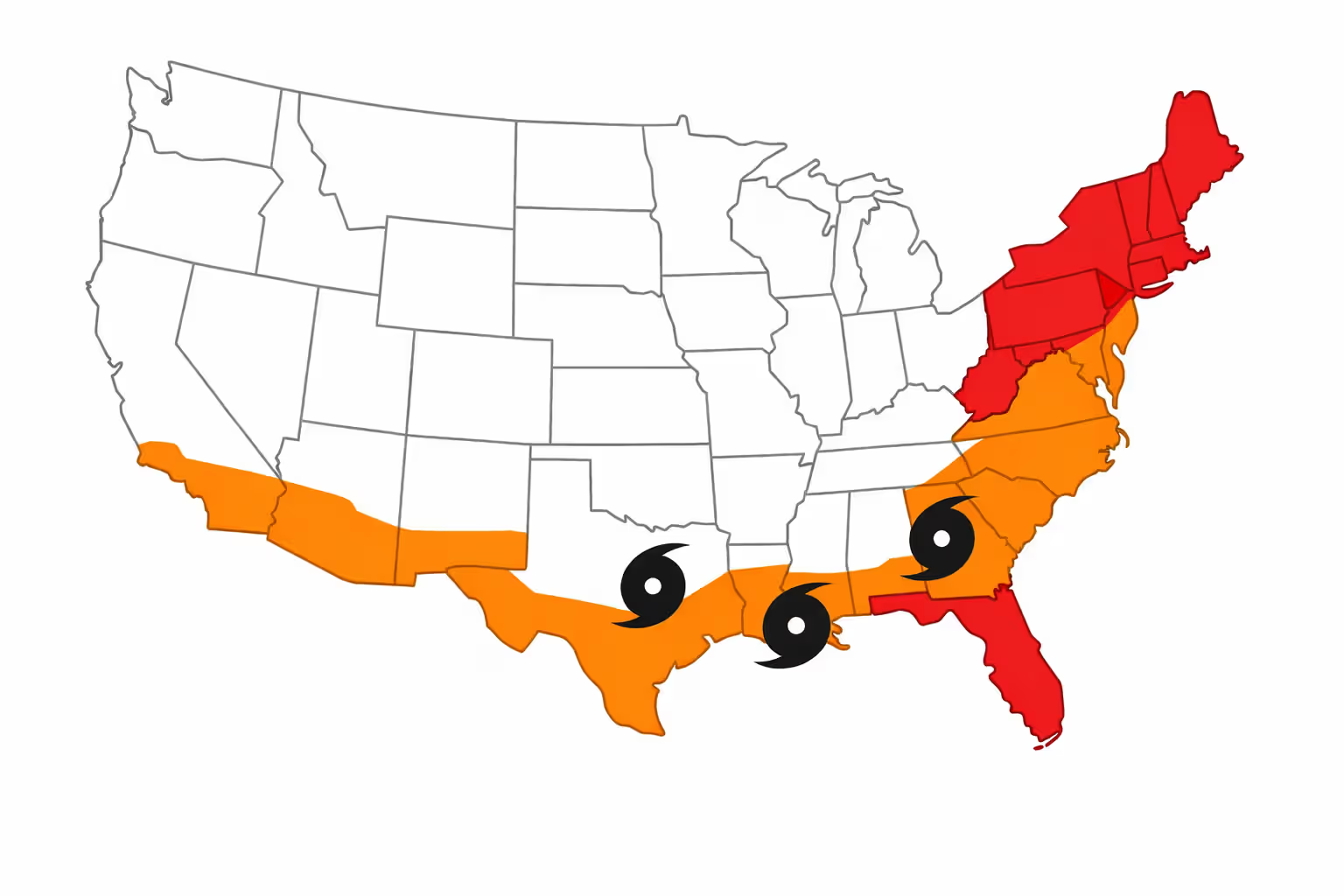
Not all wind coverage works the same way. Coastal homeowners often face separate windstorm or hurricane deductibles that dramatically increase out-of-pocket costs. Understanding these distinctions helps you prepare financially and avoid surprises when filing a windstorm roof insurance claim homeowners policies guide.
Hurricane deductibles apply when the National Weather Service declares a hurricane warning or when a named tropical storm reaches specific criteria. These deductibles are typically 2-5% of your dwelling coverage amount rather than the flat $1,000-$2,500 deductible that applies to other claims. On a home insured for $300,000, a 2% hurricane deductible means you pay the first $6,000 of damage.
Nineteen states—mostly along the Atlantic and Gulf coasts—allow or require hurricane deductibles. Florida, Texas, Louisiana, North Carolina, South Carolina, Georgia, and others mandate these higher deductibles for hurricane-related damage. The deductible triggers when specific conditions are met, which vary by state. In Florida, it might trigger when the National Hurricane Center issues a hurricane watch or warning for any part of the state.
Windstorm deductibles work similarly but apply to non-hurricane wind events in high-risk areas. Some coastal policies have separate windstorm deductibles of 1-5% that apply to any wind damage, whether from hurricanes, nor'easters, or severe thunderstorms. This means your standard deductible might be $1,500, but wind damage specifically carries a $4,500 deductible.
In some coastal areas, standard homeowners policies exclude wind damage entirely. Homeowners must purchase separate windstorm coverage through state-run wind pools or specialized insurers. Texas has the Texas Windstorm Insurance Association (TWIA) for coastal properties. Florida has Citizens Property Insurance Corporation. These programs typically cost more and provide less comprehensive coverage than standard policies.
When reviewing your wind damage roof insurance homeowners policies, check three things: your standard deductible, whether you have a separate wind or hurricane deductible, and whether wind coverage is included or requires a separate policy. Don't assume all wind damage is treated equally—the deductible that applies depends on what type of wind event caused the damage.
Author: Marcus Hollowell;
Source: sixth-fleet.com
How to Document and File a Roof Wind Damage Insurance Claim
Proper documentation separates successful claims from denied ones. Insurers need proof that wind caused specific damage during a particular event, not that your roof simply needs replacement.
Immediate Steps After Wind Damage Occurs
Report damage quickly. Most policies require "prompt" notification, and some specify timeframes like 48 hours or 72 hours. While insurers rarely deny claims solely for late reporting, delays give them grounds to question whether damage occurred during the reported storm or a later event.
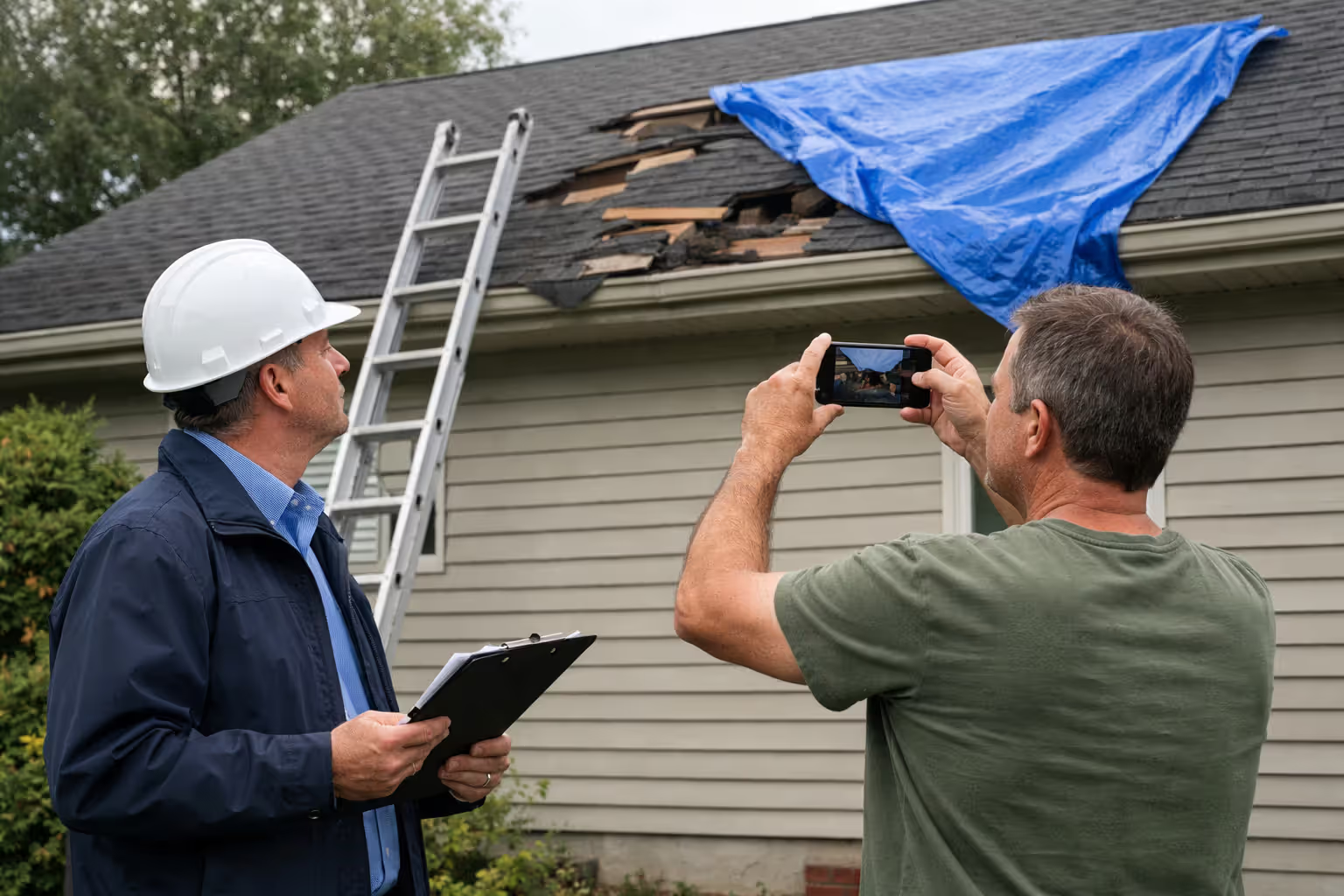
Make temporary repairs to prevent additional damage. Your policy likely includes coverage for reasonable temporary repairs like tarping a damaged section. Save receipts—these costs are typically reimbursable. Take photos before and after making temporary repairs. Don't make permanent repairs before the adjuster inspects unless the insurer gives written permission.
Document the damage thoroughly before anyone touches the roof. Take wide shots showing the whole roof and close-ups of specific damage. Photograph debris on the ground—shingles in your yard prove they came off during the storm. Time-stamped photos from your phone provide evidence of when damage occurred.
Get weather data for your address. The National Weather Service archives storm reports, and services like Weather Underground provide historical wind speed data by zip code. If your adjuster questions whether winds were strong enough to cause damage, official weather records support your claim.
Evidence Your Insurance Adjuster Needs to See
Your adjuster will look for damage patterns consistent with wind events. Shingles torn off in groups, lifted edges facing the same direction, and debris impact marks all suggest wind damage. Random missing shingles scattered across the roof might indicate age-related failure instead.
Obtain contractor estimates before the adjuster arrives if possible. An experienced roofer can identify wind damage and provide a repair scope. While the insurance company isn't bound by contractor estimates, having a professional assessment strengthens your position. Choose contractors familiar with insurance claims—they understand documentation requirements and can identify all storm-related damage.
Keep a paper trail of all communications. Note the date, time, and content of phone calls with your insurer. Send follow-up emails confirming verbal conversations. If your adjuster promises something, get it in writing. Documentation protects you if disputes arise later.
If the adjuster's estimate seems too low, you can hire a public adjuster or get a second contractor opinion. Public adjusters work for you, not the insurance company, and typically charge 10-15% of the settlement. They make sense for large claims where the initial offer seems inadequate.
Author: Marcus Hollowell;
Source: sixth-fleet.com
What Homeowners Pay Out-of-Pocket: Deductibles and Depreciation
Understanding your financial responsibility helps you budget for roof repairs and avoid settlement surprises. Two factors determine what you'll actually receive: your deductible and how your policy handles depreciation.
Wind and hail deductibles sometimes differ from your standard deductible. While your policy might have a $1,500 deductible for most claims, roof wind damage coverage homeowners insurance policies might carry a separate 1% or 2% wind/hail deductible. Always check your declarations page for special deductibles that apply to specific perils.
Percentage deductibles are calculated on your dwelling coverage amount. With $250,000 in dwelling coverage and a 2% wind deductible, you pay the first $5,000 of wind damage. This significantly exceeds typical flat deductibles and can make small wind damage claims not worth filing.
The bigger surprise for many homeowners comes from depreciation. Most policies cover roofs on a replacement cost value (RCV) basis, but they don't pay the full amount upfront. Instead, they initially pay actual cash value (ACV)—replacement cost minus depreciation. You receive the depreciation holdback only after completing repairs.
Here's how it works in practice:
| Coverage Type | How Depreciation Works | Payout Example (15-year-old roof, $10K damage) | Best For |
| Actual Cash Value (ACV) | Depreciation deducted permanently based on age and condition. No recoverable depreciation. | Initial payment: $4,000 (60% depreciation for age). Final payment: $4,000 minus deductible. | Older homes, budget-conscious buyers accepting lower premiums. |
| Replacement Cost Value (RCV) | Depreciation withheld initially but recoverable after repairs completed with receipts. | Initial payment: $4,000 (ACV). After repairs: Additional $6,000 (recoverable depreciation). Total: $10,000 minus deductible. | Most homeowners wanting full repair cost coverage. |
The depreciation schedule varies by insurer and roof type. Asphalt shingles might depreciate 5% per year, meaning a 10-year-old roof is considered 50% depreciated. Metal roofs typically depreciate more slowly. Your policy documents should include the depreciation schedule, though many homeowners never review this until filing a claim.
To recover depreciation, you must complete repairs and submit receipts showing you spent the money. If you receive a $15,000 settlement but only spend $12,000 on repairs, you'll only recover depreciation up to what you actually spent. This prevents homeowners from pocketing insurance money without making repairs.
Some policies cap roof coverage at ACV once the roof reaches a certain age—typically 15 or 20 years. This means no recoverable depreciation regardless of what your policy says elsewhere. These limitations should appear in your policy documents, often in a roof coverage endorsement or exclusion section.
State-Specific Rules That Affect Wind Damage Roof Coverage
Where you live significantly impacts your wind damage roof coverage homeowners insurance policies guide experience. Coastal states and high-wind regions have developed special rules, programs, and requirements that differ substantially from standard coverage.
Florida leads in wind coverage complexity. Citizens Property Insurance Corporation serves as the state's insurer of last resort for homeowners who can't find private coverage. Many coastal Florida properties can only get wind coverage through Citizens, which typically costs more and provides less comprehensive coverage than standard policies. Florida also has strict rules about hurricane deductibles and when they apply.
Texas operates the Texas Windstorm Insurance Association (TWIA) for properties in designated coastal areas. If you live in the "wind pool" territory—roughly the first tier of counties along the Gulf Coast—you might need separate windstorm coverage through TWIA. Standard homeowners policies in these areas often exclude wind entirely. TWIA coverage comes with limitations: lower coverage limits, higher deductibles, and more restrictive claims processes than standard policies.
Louisiana, Mississippi, and Alabama have similar coastal wind pools. North Carolina operates the North Carolina Joint Underwriting Association for coastal properties. These programs exist because private insurers won't offer wind coverage in high-risk areas at rates regulators consider acceptable.
Even inland, state rules vary. Oklahoma and Kansas—frequent tornado states—have specific regulations about wind deductibles and coverage terms. Some states prohibit percentage deductibles above certain thresholds. Others require insurers to offer full replacement cost coverage regardless of roof age, though at higher premiums.
FAIR Plans (Fair Access to Insurance Requirements) operate in 30+ states as high-risk insurers of last resort. While primarily for properties with other risk factors, FAIR Plans in some states also serve homeowners who can't get wind coverage through standard markets. Coverage is typically more expensive and limited compared to standard policies.
California has special rules for brush fire damage but relatively standard wind coverage since wind alone rarely causes catastrophic roof damage there. The main exception is Santa Ana wind events in Southern California, which can cause significant debris damage when combined with wildfire risk.

Author: Marcus Hollowell;
Source: sixth-fleet.com
State insurance departments regulate many aspects of wind coverage. Some states prohibit cosmetic damage exclusions. Others require specific disclosure language about roof age limitations. A few mandate that insurers offer full replacement cost coverage as an option regardless of roof age, though premiums reflect the increased risk.
Check your state insurance department website for consumer guides specific to your location. These resources explain local rules, average claim timelines, and your rights during the claims process.
Frequently Asked Questions About Wind Damage and Roof Insurance
Wind damage creates urgent situations. Your roof is compromised, weather might worsen, and you need answers quickly. That's the worst time to discover your policy has a 2% wind deductible, covers your aging roof at actual cash value only, or excludes wind entirely because you live in a coastal zone.
Review your policy now, before storm season. Check your declarations page for wind-specific deductibles. Read any roof coverage endorsements or limitations. If your roof is approaching 15-20 years old, contact your insurer to understand how age affects coverage. Photograph your roof's current condition—these photos become valuable evidence if you file a claim later.
Consider whether your coverage matches your risk. If you live in a high-wind area and your policy has a 5% hurricane deductible, you might face $10,000-$15,000 out-of-pocket costs for hurricane damage. Some homeowners choose higher standard deductibles to reduce premiums while buying down percentage wind deductibles to manageable levels.
Maintain your roof properly and document that maintenance. Save receipts from inspections, repairs, and cleaning. These records prove you maintained the roof reasonably, which strengthens your position if you file a claim. Insurers look for reasons to deny claims—don't give them ammunition by neglecting obvious maintenance.
When wind damage occurs, act quickly but carefully. Document everything, report promptly, make temporary repairs, and understand that your initial settlement might not represent your final payout. The claims process for roof damage can take weeks or months, especially after major storms when adjusters handle hundreds of claims simultaneously.
Wind coverage is valuable but complex. Understanding your policy's specific terms, limitations, and requirements before damage occurs puts you in the strongest position to recover fully when storms strike. Your roof protects everything else in your home—make sure your insurance actually protects your roof.