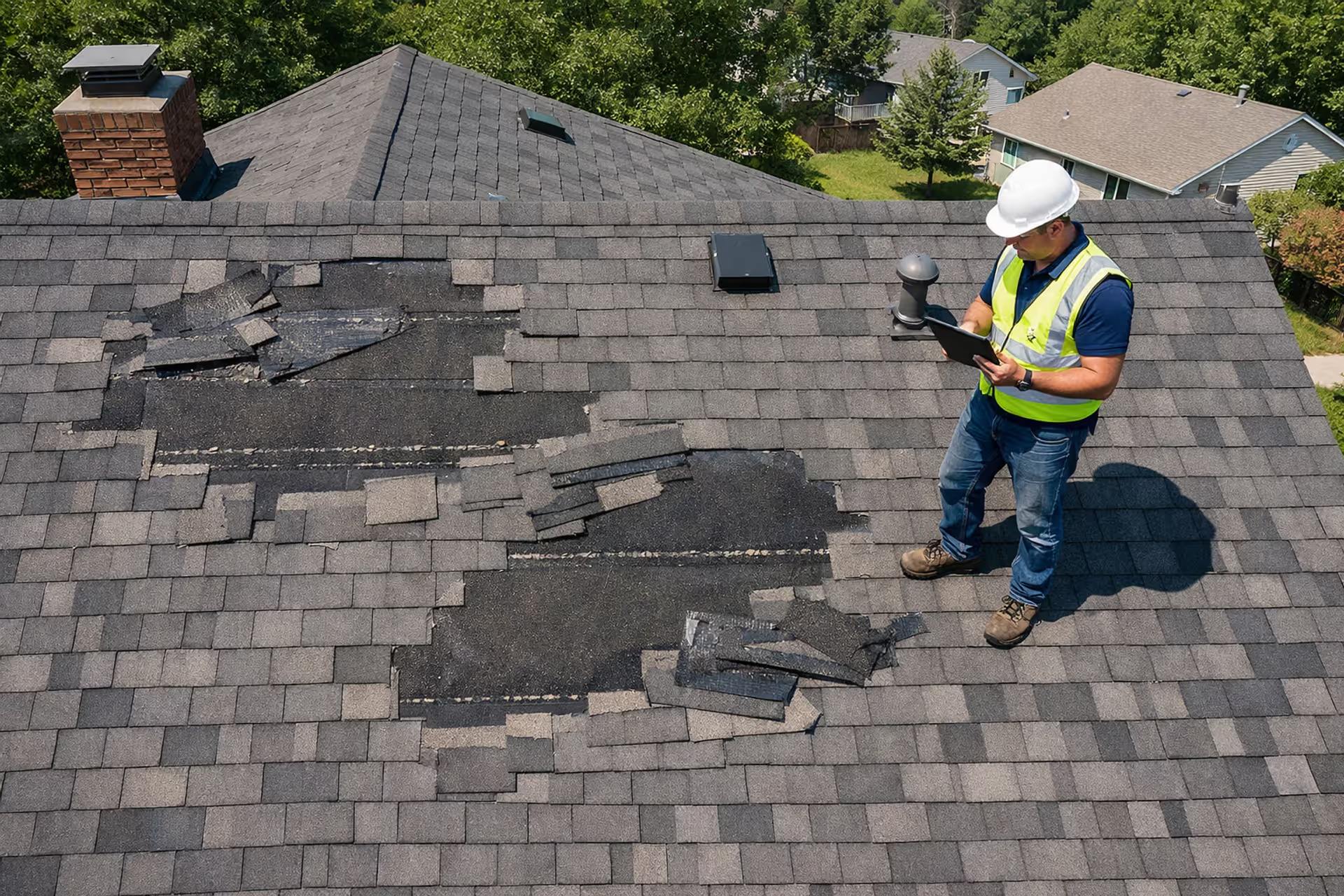
Insurance adjuster in hard hat inspecting wind-damaged asphalt shingle roof of a suburban home with missing shingles
Does Homeowners Insurance Cover Roof Replacement? What Your Policy Actually Pays For

Content
Your roof starts leaking after a windstorm, and three contractors tell you it needs replacement. The question keeping you up at night: will your homeowners insurance pay for it? The answer depends on several factors—what caused the damage, how old your roof is, what type of coverage you carry, and whether you've maintained proper documentation.
Most homeowners discover the complexities of roof replacement coverage homeowners insurance policies only after filing a claim. Understanding these details beforehand can mean the difference between a fully covered $15,000 replacement and a $2,000 payout that leaves you scrambling for financing.
What Homeowners Insurance Typically Covers for Roofs
Standard homeowners policies treat your roof as part of your dwelling structure, typically covered under "Coverage A." But not all roof damage qualifies for a payout, and the amount you receive varies dramatically based on your policy type.
Covered perils: wind, hail, fire, and sudden damage
Insurance companies cover roof damage from specific "named perils" or "open perils," depending on your policy form. Wind damage—including hurricane-force gusts that tear off shingles—ranks as the most common covered claim. Hail damage, particularly in states like Texas, Colorado, and Oklahoma, triggers thousands of roof replacement coverage homeowners insurance policies claims annually.
Fire damage receives coverage regardless of the source, whether from a house fire, wildfire, or even a neighbor's fire that spreads. Falling objects like trees, aircraft debris, or heavy branches also qualify, provided the impact is sudden and accidental. Lightning strikes that damage roof structures fall under covered perils.
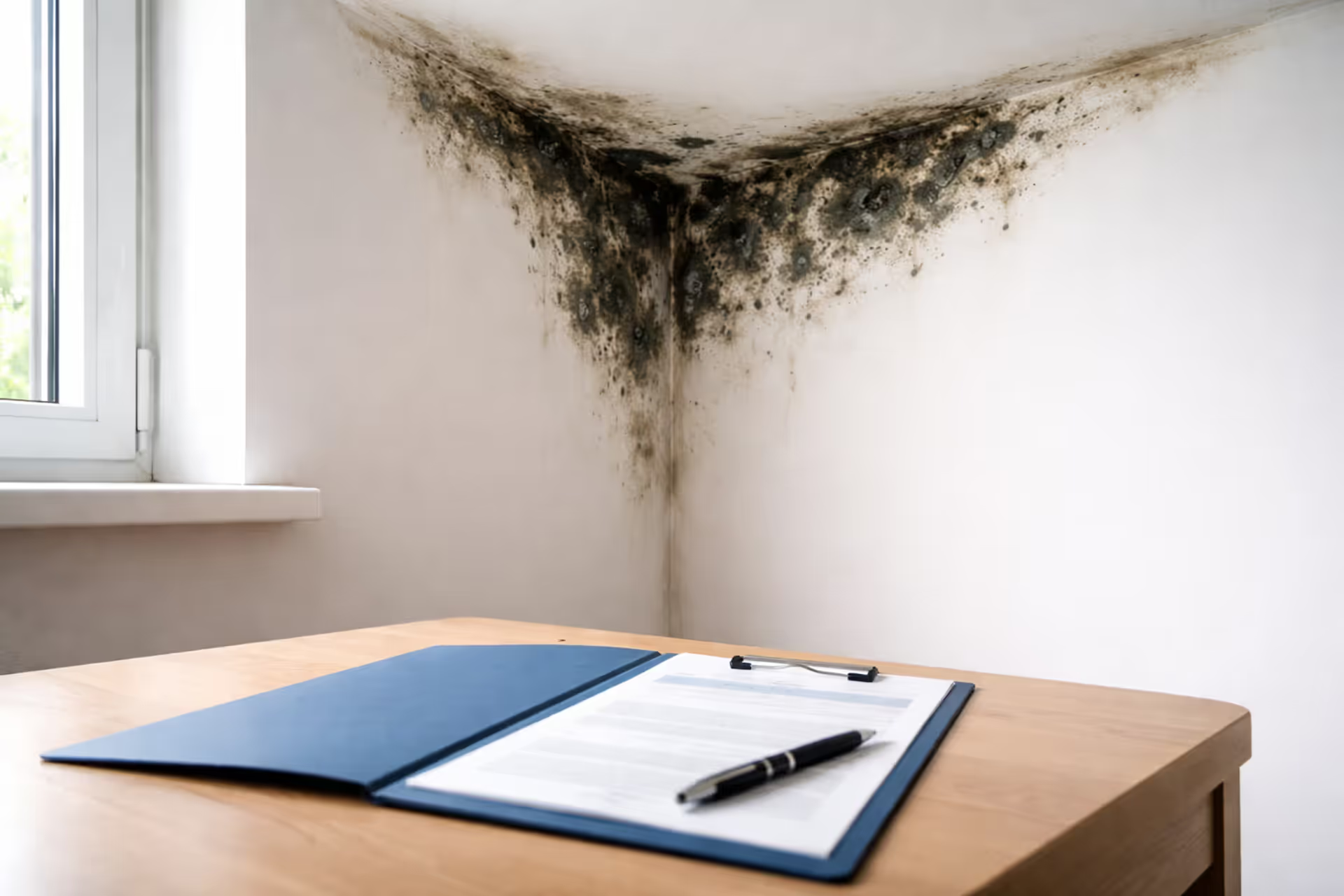
Water damage coverage gets tricky. If wind tears off shingles and rain subsequently damages your roof deck, that's covered. But if your roof simply leaked due to age and rain seeped in, that's maintenance-related and excluded. The key distinction: was the damage sudden and accidental, or gradual and preventable?
Actual cash value vs. replacement cost coverage
This distinction determines whether you receive enough money to actually replace your roof or just a depreciated fraction of its value.
Replacement cost coverage pays to replace your damaged roof with comparable materials at current prices, minus your deductible. If your roof replacement costs $18,000 and you have a $2,000 deductible, you receive $16,000. Many policies pay actual cash value upfront, then reimburse recoverable depreciation after you complete repairs and submit receipts.
Actual cash value (ACV) coverage pays replacement cost minus depreciation. An asphalt shingle roof with a 20-year lifespan that's 15 years old has depreciated 75%. That same $18,000 replacement might net you only $4,500 under ACV coverage. You're responsible for the $13,500 difference plus your deductible.
According to Sarah Mitchell, certified public adjuster with Policyholder Protection Services, "The difference between a successful roof claim and a denial often comes down to documentation timing—homeowners who photograph damage immediately after a storm and report it within 30 days have a 73% higher approval rate."
Some insurers offer "full replacement cost" or "guaranteed replacement cost" for roofs, which covers the entire replacement without depreciation regardless of age. These policies cost 10-20% more in premiums but eliminate the depreciation headache.
When Insurance Won't Pay for Your Roof Replacement
Understanding exclusions prevents the frustration of filing a claim only to face denial. Insurance companies scrutinize roof claims carefully because they're expensive and frequently disputed.
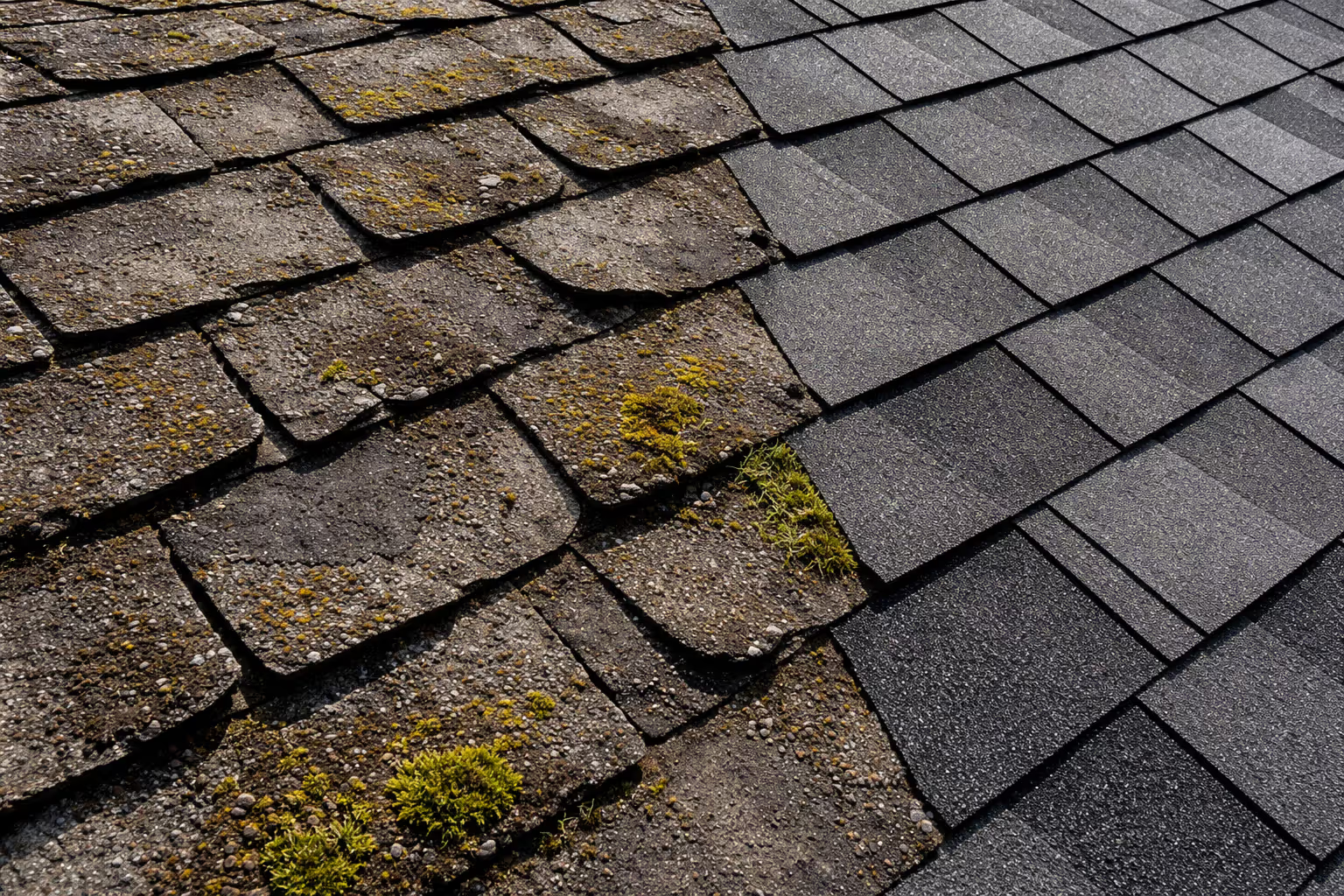
Wear and tear tops the exclusion list. Shingles that curl, crack, or lose granules from age don't qualify for coverage. If your roof has reached its expected lifespan—typically 20-25 years for asphalt shingles—and shows normal deterioration, you're paying out of pocket.
Poor maintenance gives insurers grounds for denial. Missing routine inspections, ignoring minor repairs, or allowing moss and debris to accumulate can void roof damage insurance coverage homeowners property. Insurers expect you to perform reasonable upkeep. If an adjuster finds evidence of neglected maintenance contributing to damage, they'll reduce or deny your claim.
Age limits appear in many policies. Some insurers won't provide replacement cost coverage for roofs over 10 or 15 years old, automatically switching to ACV. Others refuse to insure homes with roofs over 20 years old without a recent inspection or require roof replacement before issuing a policy.
Cosmetic damage rarely qualifies for coverage. If hail dents your shingles but doesn't compromise their waterproofing function, many insurers classify this as cosmetic and deny the claim. This creates disputes in neighborhoods where some homes receive approval while others with similar damage don't.
Pre-existing damage discovered during an inspection won't be covered. If you file a wind damage claim but the adjuster finds prior hail damage you never reported, the insurer may deny the entire claim or pay only for the new damage.
Improper installation or defective materials fall outside coverage. If your roof fails because the contractor used substandard materials or violated building codes, that's a contractor liability issue, not an insurance matter.
Author: Lauren Bishop;
Source: sixth-fleet.com
How Insurance Companies Determine Roof Replacement vs. Repair
The difference between a $3,000 repair and a $20,000 replacement often comes down to industry formulas and adjuster judgment calls.
Damage assessment process
After you file a claim, an insurance adjuster visits your property to inspect the damage. They examine the roof from the ground with binoculars and often climb up to assess damage directly. The adjuster counts damaged shingles, checks for compromised roof deck integrity, and photographs everything.
They create a detailed estimate using specialized software like Xactimate, which calculates material and labor costs based on local market rates. This estimate becomes the basis for your settlement offer.
Many homeowners hire their own public adjusters or ask roofing contractors to provide independent assessments. Having a contractor present during the insurance adjuster's visit can help identify damage that might otherwise be missed. Contractors familiar with roof repair coverage homeowners insurance policies understand what adjusters look for and can point out covered damage.
Percentage thresholds insurers use
Insurance companies apply industry guidelines to determine whether repair or replacement makes financial sense. The "50% rule" is common: if repairs would cost more than 50% of replacement cost, they authorize replacement. Some states mandate specific thresholds by law.
For example, if your roof replacement costs $20,000 and repairs would cost $11,000, most insurers approve replacement. But if repairs cost $8,000, they'll likely authorize repair only.
Matching requirements complicate this calculation. Building codes in many areas require that if you replace more than a certain percentage of your roof (often 25-50%), you must bring the entire roof up to current code. This can force a full replacement even when partial repairs would otherwise suffice.
Insurers also consider the roof's remaining lifespan. Repairing a roof that's 18 years old doesn't make economic sense if it will need replacement in two years anyway. Some adjusters factor this into their replacement-versus-repair decision.
Filing a Successful Insurance Claim for Roof Replacement
The claims process intimidates many homeowners, but understanding the steps increases your chances of a fair settlement.
Documentation you'll need
Start documenting before damage occurs. Photograph your roof from multiple angles when it's new or in good condition. These "before" photos prove the damage is recent, not pre-existing.
After a storm or damage event, photograph everything immediately. Capture wide shots showing the entire roof and close-ups of specific damage. Take photos from inside your attic showing any water intrusion or structural damage. Date-stamp these images if possible.
Gather your insurance policy documents, particularly the declarations page showing your coverage limits and deductible. Review your policy language about roof coverage before speaking with your adjuster.
Collect estimates from at least two licensed roofing contractors. These estimates should detail the scope of damage, necessary repairs, and costs. Contractors experienced with insurance claim roof replacement homeowners situations provide estimates that align with insurance industry standards.
Document the weather event that caused damage. Print National Weather Service reports showing wind speeds, hail size, or other relevant data for the date of the storm. This evidence proves a covered peril occurred.
Keep a written log of all communications with your insurance company, including dates, times, names of representatives, and conversation summaries. This creates a paper trail if disputes arise.
Working with adjusters and contractors
Your insurance adjuster works for the insurance company, not for you. Remain courteous but remember their job involves minimizing claim payouts. Answer questions honestly but don't speculate about damage causes or volunteer information about roof age or condition beyond what they specifically ask.
Schedule the adjuster's inspection as soon as possible after damage occurs. Delays can complicate claims if additional weather events occur or if temporary repairs you make obscure original damage.
Consider having your roofing contractor present during the adjuster's inspection. Contractors spot damage adjusters might miss and can explain technical aspects of roof construction. However, let the adjuster conduct their inspection without interference—aggressive contractors can backfire.
Don't sign a contractor agreement that assigns your insurance proceeds to the contractor or includes a "supplement clause" requiring you to pursue additional money from your insurer. These arrangements can create conflicts of interest and violate insurance regulations in some states.
Avoid contractors who offer to "eat your deductible" or waive it entirely. This practice is illegal in most states and constitutes insurance fraud. If your contractor offers this, it's a red flag about their business practices.

Author: Lauren Bishop;
Source: sixth-fleet.com
Common claim denial reasons and how to appeal
Insurers deny roof claims for several reasons: damage attributed to maintenance issues, pre-existing conditions, damage falling below deductible amounts, or claims filed outside the policy's time limits.
If your claim is denied, request a detailed written explanation citing specific policy language. Review your policy carefully to determine whether the denial is justified.
You can appeal by providing additional documentation. If the insurer claims damage resulted from poor maintenance, provide records of regular roof inspections and repairs. If they dispute the damage extent, obtain an independent inspection from a licensed engineer or public adjuster.
Many states have insurance departments that mediate disputes between homeowners and insurers. Filing a complaint with your state insurance commissioner can prompt insurers to reconsider denials, especially if their reasoning appears questionable.
Consider hiring a public adjuster for complex disputes. They typically charge 10-15% of your settlement but can significantly increase payout amounts through their expertise and negotiation skills. This makes financial sense for larger claims where thousands of dollars are at stake.
The best time to understand your insurance policy is the day you buy it, not the day you need it. Homeowners who invest one hour reviewing their coverage details before a storm save themselves thousands of dollars and weeks of frustration when disaster actually strikes
— Robert Hunter
How Roof Age and Material Affect Your Coverage
Insurance companies price policies and determine payouts based heavily on roof characteristics. A 5-year-old metal roof receives dramatically different treatment than a 20-year-old asphalt shingle roof.
| Roof Material | Expected Lifespan | Typical Coverage After 10 Years | Typical Coverage After 15 Years | Typical Coverage After 20 Years |
| Asphalt shingles | 20-25 years | Full replacement cost | ACV or limited replacement cost | ACV only; may require replacement for policy renewal |
| Metal | 40-70 years | Full replacement cost | Full replacement cost | Full replacement cost |
| Tile (clay/concrete) | 50+ years | Full replacement cost | Full replacement cost | Full replacement cost |
| Wood shake | 25-30 years | Full replacement cost | ACV or limited replacement cost | Often uninsurable without replacement |
| Flat/TPO | 15-25 years | Full replacement cost | ACV or limited replacement cost | ACV only; replacement often required |
Depreciation schedules vary by insurer and material. Asphalt shingles typically depreciate on a straight-line basis over their expected lifespan. A roof with a 20-year lifespan depreciates 5% annually. After 10 years, it's worth 50% of replacement cost under ACV coverage.
Premium roofing materials like metal, tile, and slate often maintain replacement cost coverage longer because their extended lifespans mean they're still relatively "young" at 15 or 20 years. This makes them attractive despite higher installation costs.
Impact-resistant shingles rated Class 4 often qualify for insurance discounts of 10-30% in hail-prone areas. Some insurers offer extended replacement cost coverage for these materials because they're less likely to require claims.
Wood shake roofs face increasing insurance challenges. Many insurers in wildfire-prone areas refuse to cover them or charge prohibitive premiums due to fire risk. Even in other regions, wood shake coverage often switches to ACV after 10-15 years.
Your roof's age affects not just claim payouts but also insurability. Many insurers require roof inspections for homes with roofs over 15 years old. If the inspection reveals significant wear, they may require replacement as a condition of coverage or refuse to renew your policy.
Out-of-Pocket Costs Even When Insurance Covers Replacement
Even with approved claims, homeowners face substantial expenses that insurance doesn't cover.
Your roof is the single most important factor in your home’s insurability. A well-maintained roof with documented inspection history doesn’t just protect your family — it protects your ability to obtain affordable coverage when every dollar of premium matters.
— Loretta Worters
Deductibles and how they work
Your deductible is the amount you pay before insurance coverage kicks in. Standard deductibles range from $500 to $2,500, but many policies use percentage deductibles for wind and hail damage—typically 1-5% of your dwelling coverage amount.
If your home is insured for $300,000 and you have a 2% wind/hail deductible, you'll pay the first $6,000 of any wind or hail claim. This catches many homeowners off-guard who expect a $1,000 deductible and suddenly face a $6,000 out-of-pocket cost.
Percentage deductibles apply per claim, not per year. If you file two separate hail claims in one year, you pay the deductible twice.
Some policies have separate deductibles for different perils. You might have a $1,000 deductible for fire but a 2% deductible for hurricanes. Read your declarations page carefully to understand what applies.
Upgrades and code compliance costs
Building codes evolve over time, and your insurance only covers replacing your roof to its pre-damage condition, not upgrading it to current code. If local codes now require additional roof ventilation, ice and water shield underlayment, or enhanced fastening systems that weren't required when your roof was originally installed, you'll pay the difference.
Code upgrade coverage is available as an endorsement on many policies, typically adding $50-100 annually to premiums. This endorsement covers the additional costs of bringing your roof up to current code, often up to a limit like $25,000 or $50,000.
Matching requirements create additional costs. If only one section of your roof is damaged but your shingle color has been discontinued, you may need to replace undamaged sections to achieve a uniform appearance. Insurance typically covers only the damaged section, leaving you to pay for matching.
Permit fees, typically $200-500, usually aren't covered by insurance. Neither are costs for temporary housing if roof damage makes your home uninhabitable, unless you have loss of use coverage.
If you choose to upgrade materials—switching from standard shingles to architectural shingles or impact-resistant products—you pay the cost difference. Insurance covers only like-for-like replacement.

Author: Lauren Bishop;
Source: sixth-fleet.com
Frequently Asked Questions About Roof Replacement Insurance Coverage
Understanding Your Coverage Before You Need It
Roof damage creates stress and urgency, but understanding your roof replacement coverage homeowners insurance policies before disaster strikes puts you in control. Review your policy annually, particularly the declarations page showing your coverage type, deductible amounts, and any roof-specific endorsements or exclusions.
Consider upgrading to replacement cost coverage if you currently have ACV, especially if your roof is relatively new. The premium difference is modest compared to the potentially massive out-of-pocket costs you'll face with depreciation.
Schedule regular roof inspections every 2-3 years and after major storms. Document the condition with photos and keep maintenance records. This documentation proves you've maintained your roof properly and can counter insurer claims that damage resulted from neglect.
If your roof is approaching 15-20 years old, start planning for replacement even if it's not showing obvious problems. Proactively replacing an aging roof before it fails gives you control over timing, contractor selection, and material choices. Waiting until storm damage forces the issue means dealing with emergency repairs, insurance negotiations, and contractor availability during busy post-storm periods when prices spike and quality contractors are booked months out.
The question isn't just whether insurance covers roof replacement—it's whether you have the right coverage, proper documentation, and realistic expectations about what you'll actually receive when you need it most.