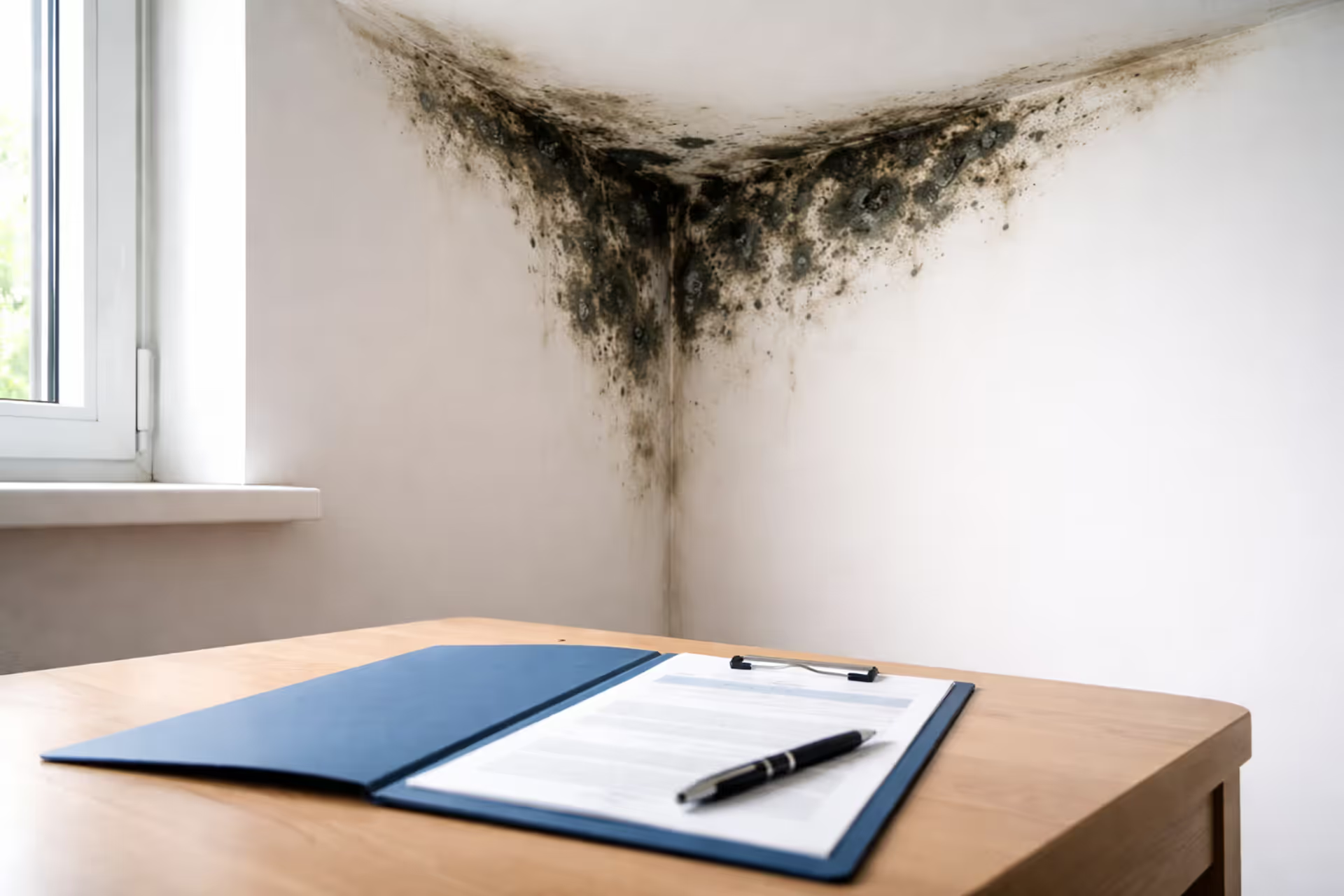
Dark mold growth on white wall corner in a residential room with an open insurance policy document on a table in the foreground
Does Homeowners Insurance Cover Mold? What Your Policy Actually Includes

Content
Mold damage ranks among the most disputed claims in homeowners insurance. Most policies provide limited coverage under specific circumstances, but many homeowners discover their situation falls outside those boundaries only after filing a claim. Understanding exactly when your policy responds to mold—and when it doesn't—can save you thousands of dollars and prevent coverage surprises.
The answer isn't straightforward. Standard policies typically cover mold only when it results from a covered peril, and even then, insurers cap payouts at relatively low amounts. A burst pipe that saturates your drywall might trigger coverage, while a slow leak behind your refrigerator probably won't.
When Homeowners Insurance Covers Mold Damage
Mold coverage homeowners insurance policies provide depends entirely on the source of moisture that caused the growth. Insurers distinguish between sudden, unexpected water intrusion and gradual moisture accumulation. That distinction determines whether your claim gets approved or denied.
Sudden and Accidental Water Damage Scenarios
Your policy generally responds when mold develops as a direct consequence of a covered water event. A pipe that bursts while you're at work, flooding your basement within hours, would typically qualify. The insurer would pay for water extraction, structural drying, and mold remediation that follows—up to your policy's mold sublimit.
Similarly, if your washing machine hose ruptures and soaks the laundry room floor, any resulting mold growth within the walls or subfloor should fall under coverage. The key factor: the water event happened suddenly, and you couldn't have prevented it through routine maintenance.
Firefighting efforts create another covered scenario. When firefighters spray thousands of gallons of water to extinguish a blaze, moisture seeps into every cavity of your home. Mold often appears within 48 hours. Since fire is a named peril in standard policies, the water damage—and subsequent mold—receives coverage.
Covered Perils That Lead to Mold Growth
Beyond plumbing failures, several covered perils can create conditions for mold:
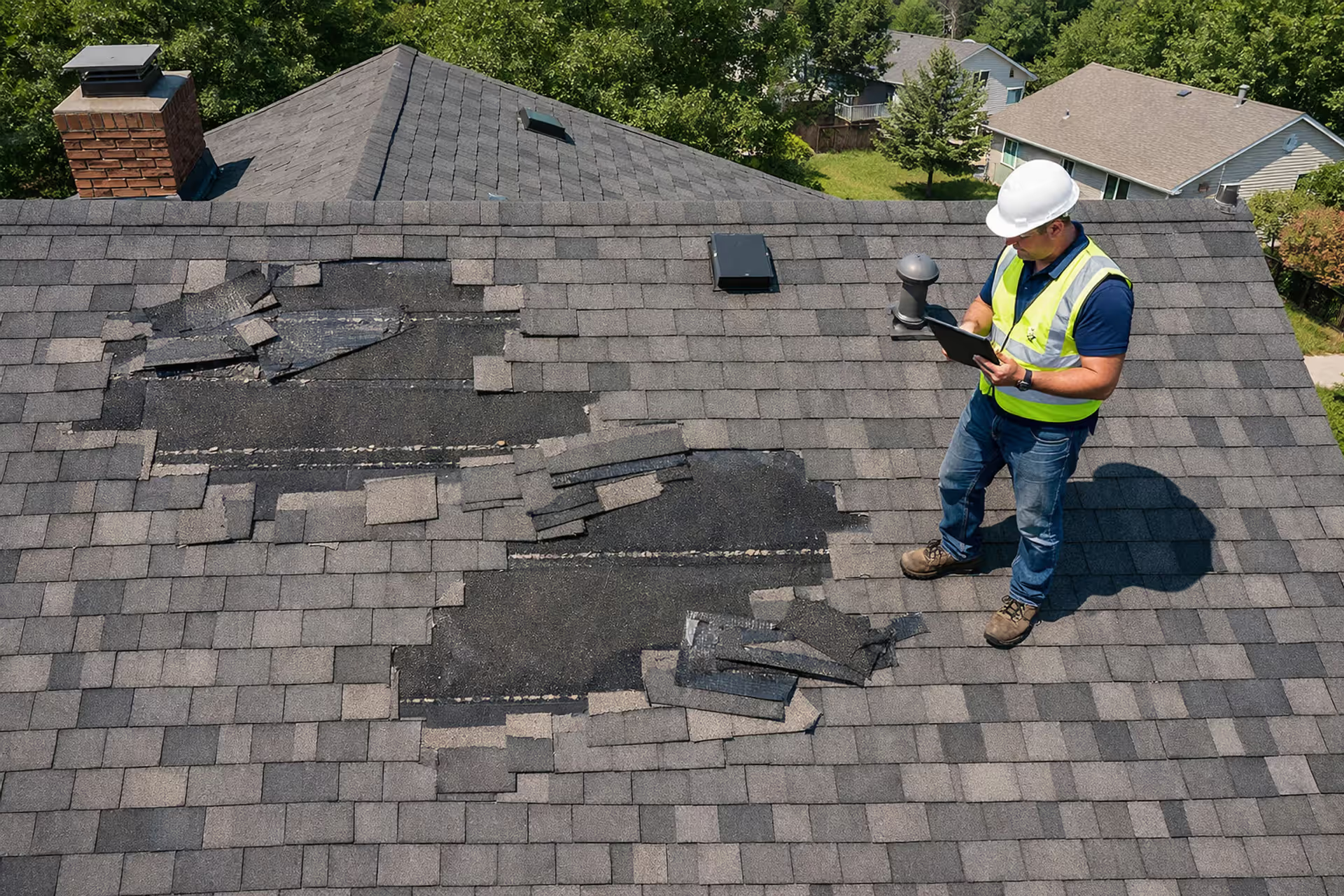
Wind and hail damage that compromises your roof allows rain to enter your attic. If you report the roof damage promptly and mold develops before repairs can be completed, your insurer should cover both issues. Delays in reporting weaken your position.
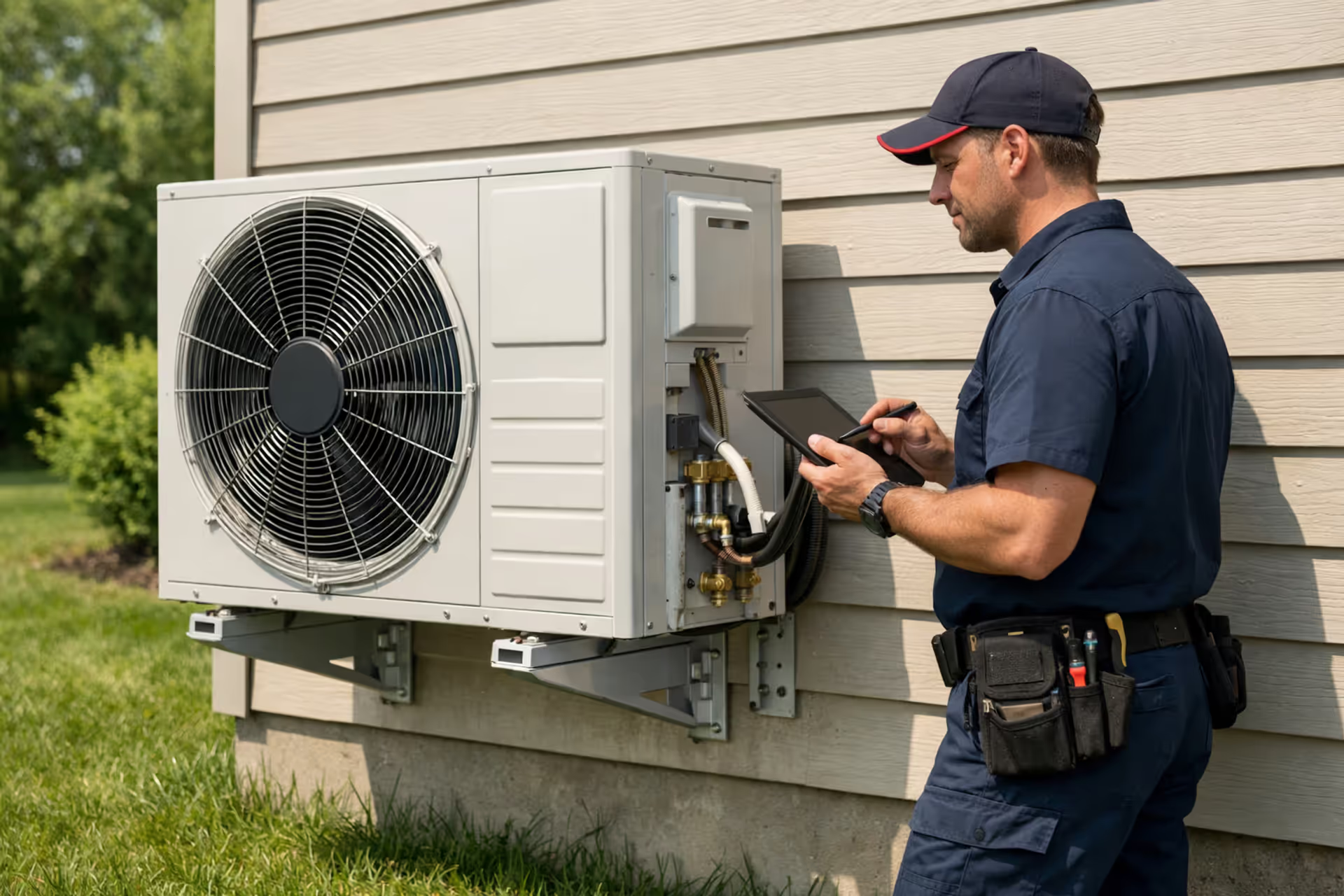
Appliance malfunctions like a water heater that splits open or an HVAC condensate line that breaks qualify as sudden events. The resulting moisture damage, including mold, typically falls within coverage parameters.
Vandalism rarely causes mold, but if vandals break windows during a rainstorm or intentionally flood your home, the ensuing mold damage would be covered under your policy's vandalism provision.
The common thread: an identifiable, sudden event caused water intrusion that led to mold. Your policy won't cover mold that appears without a clear, covered cause.
In property insurance, the origin of moisture is everything. A homeowner who can clearly trace mold back to a single, identifiable event—a burst pipe, a storm-damaged roof—stands in a far stronger position than one dealing with chronic dampness. The cause determines the coverage, and documentation of that cause is your most powerful tool when filing a claim
— Robert A. Hartwig
Common Mold Exclusions in Standard Homeowners Policies
Mold exclusion homeowners insurance policies contain language that eliminates coverage for the majority of mold situations homeowners encounter. These exclusions protect insurers from paying for problems that develop over time due to poor maintenance or environmental factors.
Long-Term Moisture and Maintenance-Related Mold
Gradual leaks represent the most common excluded scenario. A pipe fitting that drips inside your wall for months, a shower pan that slowly fails, or a toilet seal that seeps water into the subfloor all create mold growth that insurers won't cover. The reasoning: homeowners bear responsibility for maintaining their property and addressing deterioration before it causes damage.
High humidity without a specific water event also falls outside coverage. Homes in humid climates or those with poor ventilation may develop mold in bathrooms, basements, or closets. Since no covered peril caused the moisture, the policy won't respond.
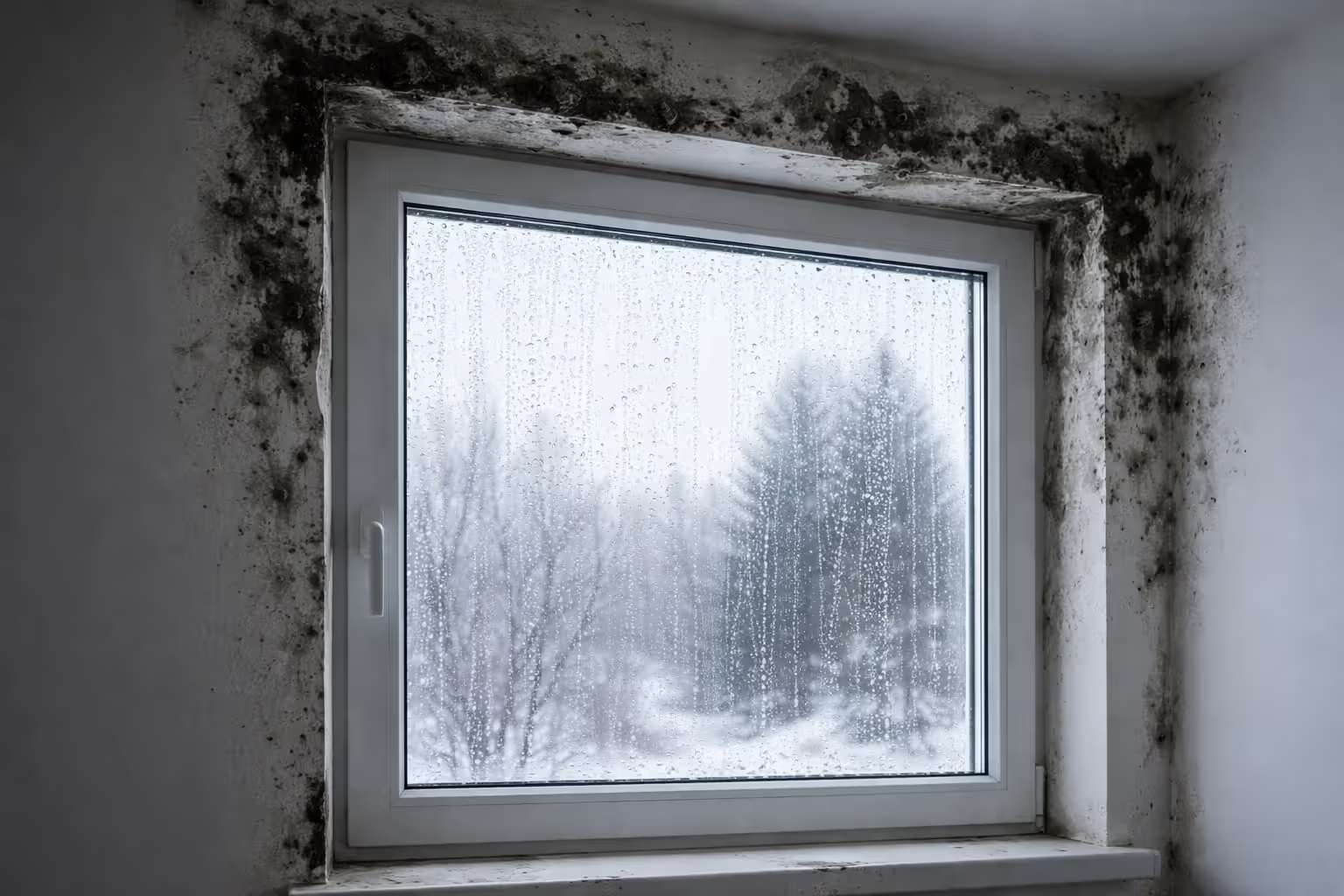
Condensation damage receives similar treatment. If your windows sweat every winter and mold grows on the surrounding drywall, you can't file a claim. Insurers view this as a maintenance issue requiring better ventilation or dehumidification.
Author: Samantha Kessler;
Source: sixth-fleet.com
One homeowner learned this the hard way when mold appeared throughout her finished basement. She hadn't noticed the foundation crack that allowed groundwater seepage for over a year. The insurer denied the claim because the water intrusion was gradual, not sudden. Had she discovered and reported an active flood from a sudden crack, coverage might have applied.
Flood-Related Mold Damage
Standard homeowners policies exclude flood damage entirely, and that exclusion extends to any mold resulting from flooding. If a river overflows and inundates your home, or if heavy rain overwhelms storm drains and backs water into your house, neither the water damage nor subsequent mold receives coverage under your homeowners policy.
Separate flood insurance through the National Flood Insurance Program (NFIP) or a private carrier covers the structural water damage but provides extremely limited mold coverage. The NFIP specifically excludes mold damage unless the policyholder took reasonable steps to prevent it—a vague standard that leads to frequent disputes.
Sewer backup presents a gray area. Some policies cover it through an optional endorsement; others exclude it entirely. If covered, mold resulting from a sewer backup would fall under your policy limits. Without the endorsement, you're responsible for all costs.
How Mold Coverage Limits Work in Insurance Policies
Mold damage coverage homeowners insurance policies include sublimits—caps on what the insurer will pay for mold remediation regardless of your dwelling coverage amount. Even if you carry $500,000 in dwelling coverage, your mold sublimit might be just $5,000 or $10,000.
| Policy Type | Typical Mold Sublimit | What's Covered | What's Excluded |
| HO-3 (Standard) | $1,000–$10,000 | Mold resulting from covered perils (burst pipes, storm damage); remediation and testing when part of covered claim | Mold from maintenance issues, floods, high humidity, gradual leaks |
| HO-5 (Premium) | $10,000–$25,000 | Same as HO-3 but with higher limits; some policies cover more testing scenarios | Same exclusions as HO-3; higher limits don't expand what's covered |
| HO-6 (Condo) | $1,000–$5,000 | Mold within your unit from covered perils affecting your property | Mold originating from common areas; maintenance-related growth |
These sublimits apply per occurrence, not per year. If you have two separate covered mold claims in one year, each would receive up to the sublimit amount.
The sublimit covers all mold-related expenses: testing, containment, remediation, disposal of contaminated materials, and repair of damaged surfaces. Professional mold remediation for even a small bathroom can easily exceed $5,000 when you include proper containment, air filtration, material removal, and reconstruction.
Some insurers offer buyback options that increase your mold sublimit to $25,000 or $50,000 for an additional premium. If you live in a humid climate or have a history of plumbing issues, this upgrade might be worth considering.
Filing a Mold Claim: Step-by-Step Process and Documentation Requirements
Successfully navigating a mold claim homeowners insurance policies process requires immediate action and thorough documentation. Insurers look for evidence that you acted promptly to mitigate damage and that the mold resulted from a covered peril.
Step 1: Stop the water source immediately. If you can safely shut off water to a leaking pipe or place a tarp over damaged roofing, do so. Your policy requires you to prevent further damage. Failure to mitigate gives insurers grounds to reduce or deny your claim.
Step 2: Document everything before touching anything. Take photos and videos of the water damage, visible mold, and the source of the water intrusion. Capture timestamps if possible. These images establish the condition of your property at the time of discovery.
Step 3: Contact your insurance company within 24-48 hours. Most policies require "prompt" notification. While they don't specify an exact timeframe, waiting weeks to report a claim raises red flags. Call your agent or the claims department directly and get a claim number.
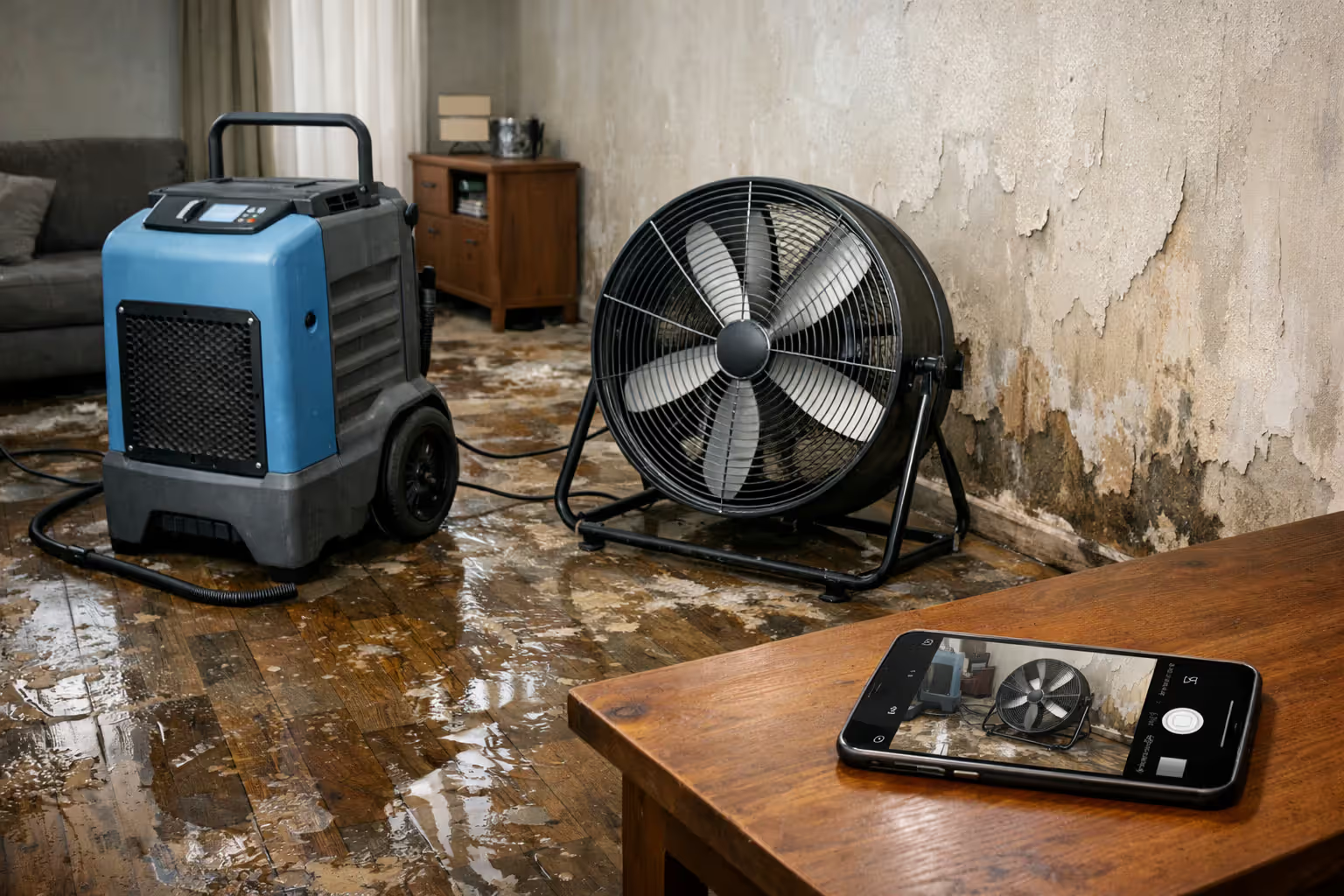
Step 4: Begin emergency mitigation. Extract standing water, move furniture to dry areas, and run fans to promote drying. Keep receipts for any equipment rentals or services you pay for out of pocket. Reasonable mitigation expenses are typically reimbursable even if your claim is later denied for other reasons.
Author: Samantha Kessler;
Source: sixth-fleet.com
Step 5: Wait for the adjuster before removing materials. Don't tear out drywall or discard damaged items until the adjuster has inspected and documented the damage. Premature disposal can result in claim denial because the insurer couldn't verify the extent of damage or its cause.
Step 6: Obtain professional assessments if needed. If the adjuster disputes the mold's cause or extent, hire a certified industrial hygienist to conduct air quality testing and provide a written report. This independent verification can support your claim when the insurer's assessment seems inadequate.
Step 7: Review the settlement offer carefully. Insurers often make initial offers below the actual cost of remediation. Get competing bids from licensed mold remediation contractors and submit them to your adjuster if the settlement seems insufficient.
One critical mistake: hiring a remediation company before your adjuster visits. Some contractors offer "free inspections" but then pressure homeowners to begin work immediately. If they start before the insurance company documents the damage, you might void your coverage entirely.
Cost Factors That Affect Mold Remediation Coverage
Mold remediation insurance coverage homeowners property receive depends on several variables that determine the total expense. Understanding these factors helps you anticipate whether your claim will stay within your policy's sublimit or require out-of-pocket contributions.
Extent of contamination: Small areas under 10 square feet might cost $500-$1,500 to remediate. Once mold spreads beyond 25 square feet, professional remediation becomes necessary, with costs jumping to $2,000-$6,000. Whole-house contamination can exceed $30,000.
Location within the home: Mold in easily accessible areas costs less to address than growth inside wall cavities, crawl spaces, or HVAC systems. Remediation requiring extensive demolition to access affected areas drives up costs significantly.
Type of materials affected: Porous materials like drywall, insulation, and carpet require removal and disposal when contaminated. Non-porous surfaces like tile or metal can often be cleaned, reducing costs. If mold has penetrated structural lumber, treatment becomes more complex and expensive.
Duration of growth: Mold that's been growing for months creates deeper penetration into materials and releases more spores throughout your home. Long-term growth requires more extensive containment, air scrubbing, and material removal than recently developed mold.
Average Out-of-Pocket Expenses vs. Insured Costs
When your claim is approved, the insurer typically covers: - Professional mold testing to identify species and concentration levels ($300-$800) - Containment setup with plastic sheeting and negative air pressure ($500-$2,000) - HEPA filtration and air scrubbing during remediation ($200-$800) - Removal and disposal of contaminated materials ($1,000-$5,000) - Antimicrobial treatment of affected surfaces ($500-$1,500) - Repairs to restore removed materials ($2,000-$10,000)
Your out-of-pocket expenses usually include: - Your deductible (typically $500-$2,500) - Any costs exceeding your mold sublimit - Temporary housing if the home becomes uninhabitable during remediation (unless you have loss-of-use coverage) - Preventive measures like dehumidifiers or improved ventilation to prevent recurrence
A realistic scenario: Your water heater fails, flooding your basement. By the time you discover it three days later, mold has started growing on drywall and carpet padding. Professional remediation costs $8,000. With a $5,000 mold sublimit and a $1,000 deductible, you'd pay $4,000 out of pocket ($3,000 above the sublimit plus your deductible).
The 48-hour window after water intrusion is critical. Mold spores exist everywhere, but they need moisture to colonize and grow. If you can dry materials completely within two days, you'll often prevent mold establishment entirely. Once growth begins, costs escalate rapidly because containment and removal become necessary instead of simple drying
— Michael Torres
Options for Expanding Your Mold Protection
Standard mold coverage homeowners insurance policies provide rarely suffices for significant contamination. Several options exist to enhance your protection before a loss occurs.
Endorsements and Riders
Most insurers offer mold coverage endorsements that increase your sublimit from the standard $5,000-$10,000 to $25,000, $50,000, or even $100,000. These endorsements typically cost $50-$150 annually depending on your home's value, location, and claims history.
The endorsement doesn't expand what causes of mold are covered—it simply raises the dollar limit for covered scenarios. You'll still face exclusions for maintenance-related mold, flooding, and gradual leaks.
Some insurers bundle enhanced mold coverage with water backup protection. This combination addresses two common sources of moisture damage for a single additional premium, usually $75-$200 per year.
Before purchasing an endorsement, calculate the realistic cost of mold remediation in your home. If you have a large finished basement or live in a humid climate, a $25,000 sublimit might be appropriate. For a small home in a dry climate, the standard coverage might suffice.
Separate Mold Insurance Policies
Standalone mold insurance policies exist but remain relatively rare in the residential market. These specialized policies cover mold regardless of cause, including maintenance-related growth and high humidity situations that standard policies exclude.
Premiums for comprehensive mold coverage are substantial—often $500-$2,000 annually—because the insurer assumes significantly more risk. These policies make sense only for properties with documented moisture problems, homes in extremely humid climates, or situations where standard coverage has been exhausted by a previous claim.
An alternative approach: self-insurance through a dedicated savings account. Setting aside $100-$200 monthly creates a fund that could cover most mold remediation scenarios within a few years. This strategy works best for financially stable homeowners who can absorb a moderate unexpected expense.
Prevention remains the most cost-effective strategy. Installing water leak detectors near appliances and plumbing fixtures ($25-$100 per sensor) provides early warning that allows you to address problems before mold develops. Regular HVAC maintenance, proper ventilation in bathrooms and kitchens, and prompt repair of any water intrusion prevent most mold growth at a fraction of the cost of remediation.

Author: Samantha Kessler;
Source: sixth-fleet.com
Frequently Asked Questions About Mold and Homeowners Insurance
Protecting Your Home and Your Coverage
Mold coverage in homeowners insurance operates within narrow parameters. Your policy responds when mold results from sudden, covered perils like burst pipes or storm damage, but excludes mold from maintenance issues, gradual leaks, or flooding. Standard policies cap mold coverage at $5,000-$10,000, often insufficient for extensive remediation.
The most effective protection combines adequate insurance limits with aggressive prevention. Consider increasing your mold sublimit if you live in a humid climate or have finished basements. Install water sensors near potential leak sources. Address any moisture problems immediately—a $200 plumbing repair today prevents a $10,000 mold claim tomorrow.
When water damage occurs, your response determines whether insurance covers the resulting mold. Document everything, notify your insurer immediately, and begin mitigation while waiting for the adjuster. These actions both prevent mold growth and strengthen your claim position.
Review your policy's specific mold provisions annually. Coverage terms vary significantly between insurers and policy types. Understanding your exact coverage before you need it eliminates surprises when filing a claim and allows you to make informed decisions about endorsements or additional protection.